

PU vs. PVC Rain Ponchos: Which Waterproof Material is Better?
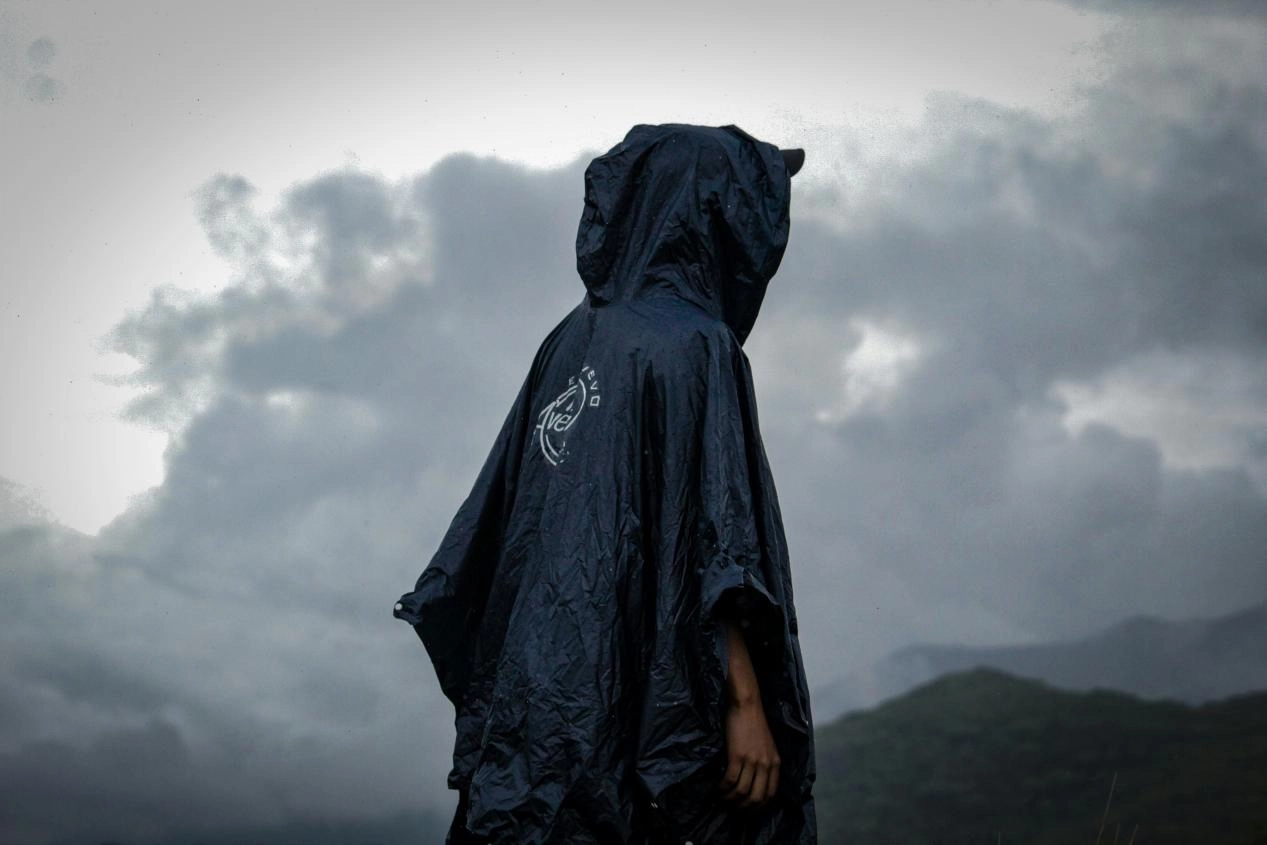
Imagine standing in the middle of a crowded outdoor music festival or walking down a muddy hiking trail this spring. All at once, gray skies gather, and rain begins to fall. You pull out your item from the pack. It should shield you from moisture without causing you to feel overly warm, as if enclosed in a steamy room. At such moments, selecting the proper cover proves essential. Many folks simply take the initial sheet of plastic from a nearby shop. However, choosing wisely can transform your entire outing. Now, the main discussion centers on two key options: the traditional PVC rain poncho and the newer PU rain poncho. Each handles strong showers effectively. Yet, they differ greatly in sensation and function during use. To remain secure and at ease, one must understand which waterproof material suits daily habits best. We will examine them closely. This way, you can select the ideal rain poncho for your upcoming journey.
The Basics of Rain Poncho Material Choices
Prior to a direct review, it helps to explore the nature of these substances. The material selected influences the full outside adventure. It affects everything from internal perspiration to the load on your back. Let us outline the main features of these common selections. Then, you can grasp their operations.
What Makes a PVC Rain Poncho?
Polyvinyl Chloride, or PVC, serves as a sturdy artificial polymer. Factories transform this rain poncho material into a dense, firm shield. Moisture finds no way through, regardless of the downpour’s force. Often, you spot builders, event attendees, or anglers in these pieces. They endure well and fully resist chilly drafts. For example, a typical PVC waterproof poncho at 0.18 mm thick weighs about 600 to 800 grams. That substantial mass ensures strong resistance to rips and coarse areas. On the other hand, it holds in warmth from the body. Should you climb a sharp slope in a heavy PVC layer, you might end up damp from your own moisture. The rain stays away, yet sweat builds up. Thus, it functions as a dependable waterproof material for calm pursuits. But it offers little ventilation for demanding exercises.
The Rise of the PU Rain Poncho
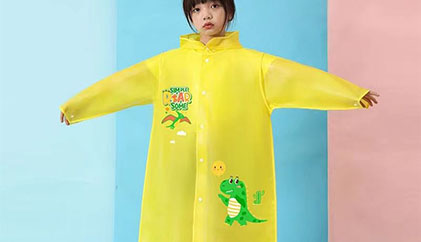
In contrast, PU means Polyurethane. A PU rain poncho typically features a textile foundation, such as 170T polyester or oxford cloth. A slim, transparent PU layer coats the inner side. This smart pairing yields a waterproof poncho that acts more like everyday attire than a rigid sack. It feels gentle, bends easily, and carries much less burden. A solid PU version weighs only 300 to 400 grams. Essentially, it halves the weight of earlier PVC types. Even better, PU includes tiny openings in its makeup. These openings block liquid drops from rain. Yet, they permit vapor from perspiration to release outward. Thanks to this ventilation, nature enthusiasts regard it as the top rain poncho for walks, bike rides, and journeys. It follows body movements smoothly. Plus, it compresses neatly into any carry bag.
Head-to-Head: PU vs. PVC Performance
Understanding the basic composition matters. However, how do these substances fare during an actual storm? We must assess practical aspects like mass, endurance, and ease. Below, you will find a clear outline of their everyday results. This aids in making a swift choice.
| Feature | PVC Rain Poncho | PU Rain Poncho |
| Weight | Heavy (~600g – 800g) | Lightweight (~300g – 400g) |
| Breathability | Very Low (Traps body heat) | High (Allows sweat to escape) |
| Flexibility | Stiff, especially in cold weather | Soft, quiet, and very flexible |
| Best Use | Fishing, stadium events, emergency use | Hiking, cycling, daily commuting |
| Packability | Bulky and hard to fold small | Folds down small easily for travel |
-
Weight and Pack Size: For a traveler aiming to reduce every bit of load, the PU rain poncho stands out clearly. Its slim, adaptable form lets it pack into the space of a compact bottle. In comparison, a PVC item occupies far more area in luggage. It also places extra strain on the carrier.
-
Comfort and Movement: Consider slipping into a rigid plastic cover that produces sharp, bothersome sounds with each arm shift. That describes PVC use. The material hardens further in cooler conditions. PU remains supple and flows with the form. Consequently, it supports quiet steps and ease, ideal for pursuits like tracking wildlife or capturing outdoor images.
-
Durability and Lifespan: Each holds up well. Still, they manage damage in distinct manners. A dense PVC waterproof poncho withstands impacts from pointed limbs or jagged stones without punctures. PU appears thinner. However, its minor give under force helps it avoid splits in routine handling.
-
Breathability and Heat Control: This aspect often decides for those in motion. A waterproof material without air flow resembles a portable enclosure. During activity, the form produces warmth. PU releases that warmth away. PVC, by contrast, retains the heat and dampness close to the surface.
-
Maintenance and Cleaning: Upkeep for a PVC waterproof poncho stays straightforward. A damp cloth removes grime, followed by air drying. PU demands gentler handling. Washing by hand preserves the protective layer. Yet, the added ease justifies the small additional work.
Making the Right Choice for Your Needs
So, how do you actually choose between them? It all comes down to what you plan to do outside and how much you plan to move. You do not need to overthink it; just match the right fabric to your activity level.
-
For Low-Activity Days: If you are sitting on a boat waiting for a fish to bite, or standing in a football stadium during a heavy winter downpour, PVC is fantastic. You are not moving much, so you will not sweat, and the thick plastic blocks the cold wind perfectly.
-
For High-Activity Days: If you plan to walk, hike, ride a bike, or wander around a massive theme park for 8 hours, you definitely want a PU rain poncho. The breathable nature of the fabric will keep you from feeling sticky, hot, and miserable while you walk.
-
For Long-Term Value: While PVC is often cheaper to buy upfront, a high-quality PU option lasts for years without cracking or peeling over time. If you spend a lot of time outdoors, viewing a soft, breathable item as a long-term investment makes total sense.
-
For Brand Owners and Buyers: If you run an outdoor gear store, you need to offer both options to your customers. Many buyers want cheap, reliable PVC for emergencies, while serious hikers will happily pay more for the best rain poncho made of PU. Partnering with a strong factory helps you supply both.
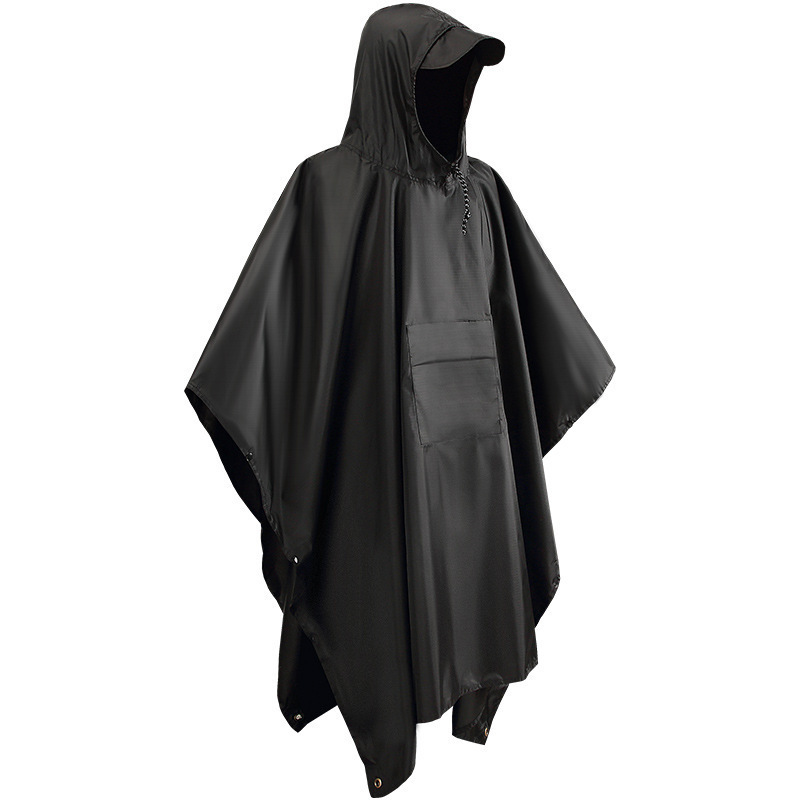
If you are looking for top-tier gear that balances weight, breathability, and reliable rain protection, checking out a trusted manufacturer is a smart move. For example, you can explore this high-quality PU rain poncho to see exactly how modern waterproof fabrics are put together for maximum comfort and style.
Conclusion
Ultimately, opting for a PU or PVC rain poncho depends on individual motion demands and routine requirements. PVC supplies robust, draft-resisting cover for fixed efforts. PU brings light, ventilated ease that motion enthusiasts seek. Regardless of the waterproof material chosen, sourcing from an established creator holds key importance. Established in 1992, Chenyuan has dedicated over 30 years to rainwear production. Our expansive 10,000-square-meter site features 12 full assembly lines and ISO9001 approval. We output up to 4 million units each year. OEM requests start at a minimum of 50 pieces. ODM begins at 300 pieces. Whether stocking the finest rain poncho for your shop or seeking tailored plans, contact us today to develop your perfect outdoor equipment.
FAQs
Q: Can I wash my PU rain poncho in a washing machine?
A: Hand washing is best for this waterproof material. Avoid harsh detergents to keep your PU rain poncho safe.
Q: Is a PVC rain poncho completely windproof in winter?
A: Yes, a thick PVC waterproof poncho blocks wind perfectly, making it great for cold, static outdoor activities.
Q: Which rain poncho material lasts the longest over time?
A: With proper care, a high-quality PU rain poncho often outlasts PVC because it resists cold weather cracking.
 E-mail
 Whatsapp
 Leave Message
 top
top