

Why Eco-Friendly EVA is the Safest Raincoat Choice for Your Children
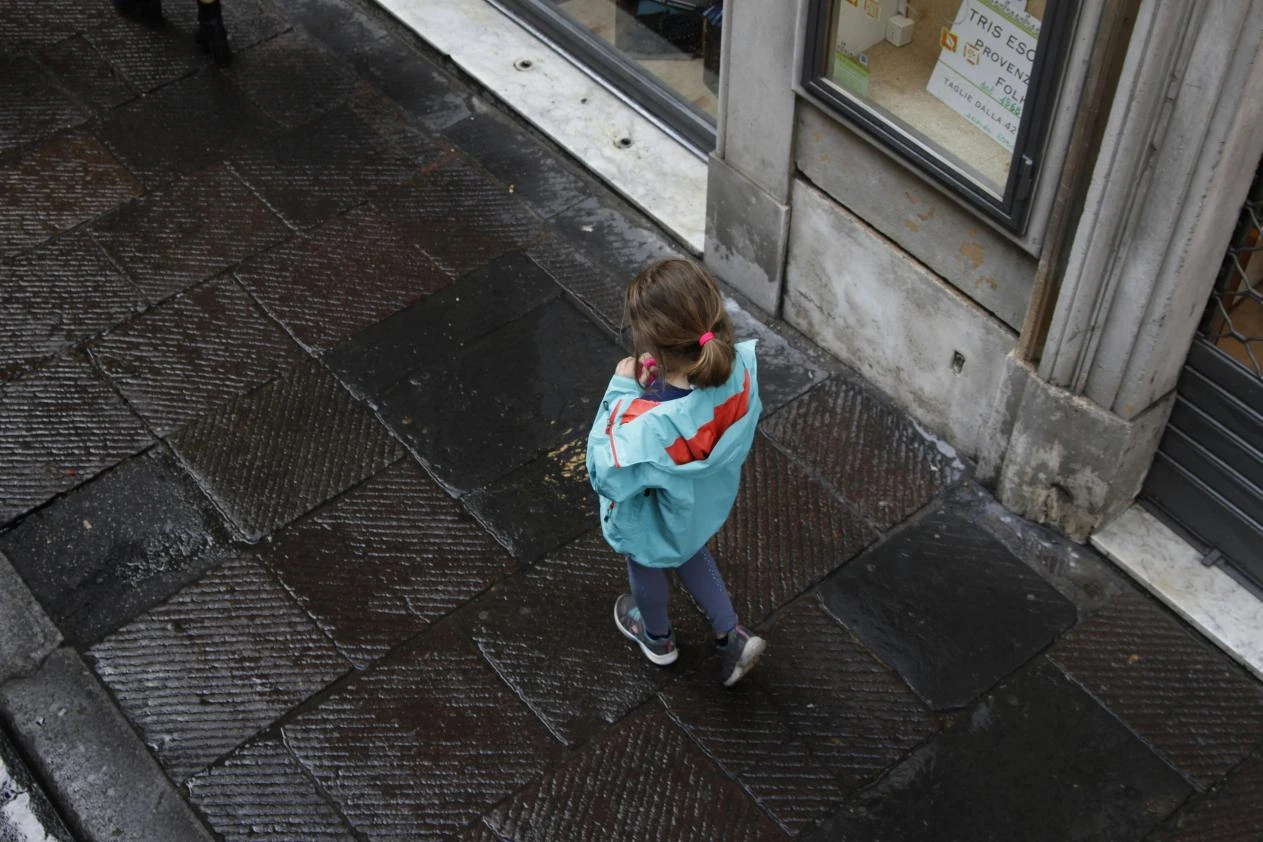
Every time it rains, kids run straight for the nearest muddy puddle. As a parent, you probably just grab whatever bright yellow jacket is hanging by the door. But a recent wave of toy recalls and chemical warnings in children’s clothing has many parents pausing to read the tags on their kids’ gear. Are those cute plastic jackets actually safe? The truth is, the material resting against your child’s skin matters just as much as the food on their plate. Many older rain jackets use cheap plastics filled with harsh chemicals to keep the water out. When these jackets heat up under the sun or sit in a warm school locker, they release strong chemical smells. This rising concern has led smart parents and schools to search for a truly safe alternative. That is exactly why modern families are making a permanent switch to a much cleaner option: EVA.
The Hidden Risks in Traditional Children’s Rainwear
For decades, factories focused only on making materials block water cheaply. Nobody really questioned what kind of chemicals went into a simple rain jacket. But as testing became stricter globally, scientists discovered that many older waterproof plastics carried some serious hidden risks that parents never noticed.
What Makes Older Plastics Problematic
Consider the intense plastic aroma you frequently observe upon unpacking a fresh, inexpensive rain jacket. This scent generally originates from phthalates. Producers previously included these fluid substances into inflexible plastics to render them supple for use. Should you have encountered a rigid, crinkling jacket, it had likely shed its chemical softening agents gradually.
When children run, sweat, and play in the rain, their skin pores open up. They also tend to chew on their collars or sleeves. Wearing a jacket loaded with industrial softeners right next to their face is not ideal. Many European and American safety boards have now banned several types of these chemicals from children’s products. This shift in the market created a massive demand for a genuinely PVC-free raincoat that parents can trust completely. You need something that keeps the heavy rain out without bringing toxic baggage along.
The Science Behind Waterproof EVA Material
You might be wondering what exactly EVA is and why it suddenly appears on so many baby product labels. Ethylene Vinyl Acetate, or EVA for short, is a soft, flexible polymer that does not need extra liquid chemicals to stay bendable. It works wonderfully for daily rainwear.
A Closer Look at the Chemical Safety
The chief merit of EVA resides in its chemical clarity. In opposition to conventional plastics that depend on heavy metals or poisonous chlorine for formation, EVA possesses innate suppleness right from the outset. Reflect upon baby teething rings, athletic mouthguards, and medical tubing. Such products enter the mouth unmediated, and they consist predominantly of EVA.
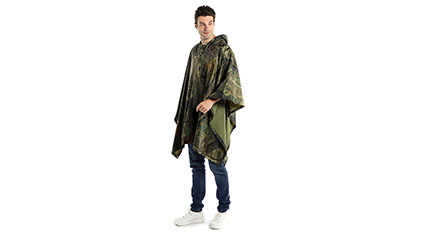
Because it lacks harsh additives, an EVA rain poncho is completely odorless right out of the package. You do not have to leave it hanging outside for three days to air out the chemical smell. It is widely recognized across the globe as a non-toxic rainwear option. Upon acquiring a jacket produced from this substance, you furnish your child with a tangible shield that exclusively obstructs rain, rather than one that discharges concealed vapors. The molecular composition of waterproof EVA material demonstrates intrinsic stability, which implies it avoids decomposition or chemical discharge amid warmth or dampness.
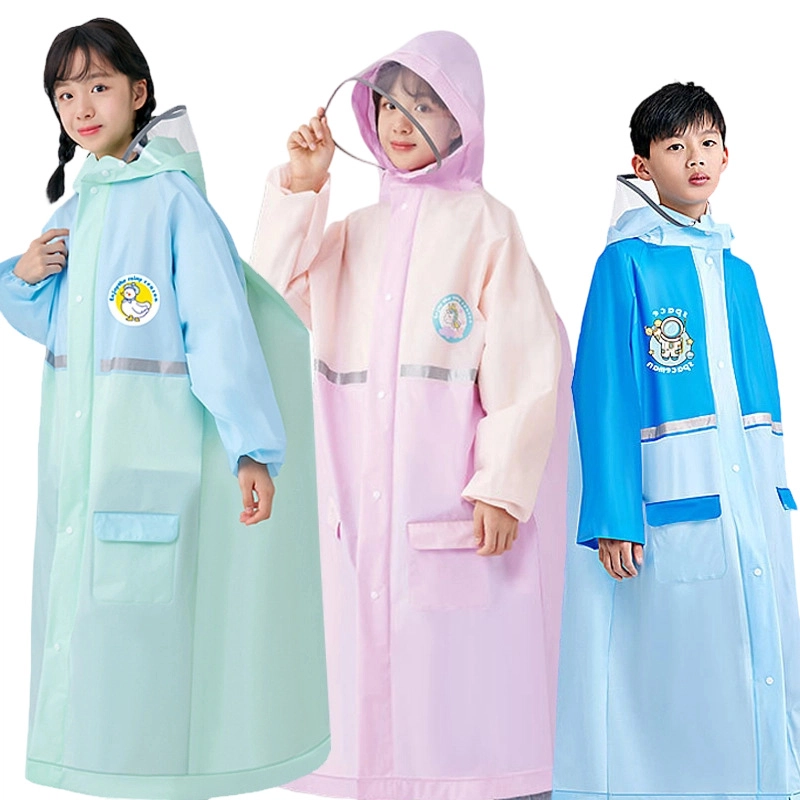
Practical Benefits of an EVA Rain Poncho for Daily Life
Aside from the clear health and chemical benefits, this modern material performs incredibly well in real-world, muddy weather. When you compare it side-by-side with older plastic jackets, the physical differences become very obvious to any parent trying to dress a moving toddler. Here is the breakdown:
| Feature | Older Plastic Jackets | Modern EVA Jackets |
| Chemical Smell | Strong, takes days to fade | None, totally odorless |
| Weight | Heavy, restricts movement | Ultra-light (under 200g) |
| Winter Performance | Turns stiff and cracks easily | Stays soft and rubbery |
| Environmental Impact | Stays in landfills forever | Highly recyclable material |
-
It feels incredibly light: A typical EVA jacket weighs around 150 to 200 grams. Your child will not feel like they are wearing a heavy, stiff carpet. This makes running, climbing, and jumping much easier.
-
It stays soft in the cold: Certain inexpensive plastics solidify and fracture as winter temperatures decline. In contrast, EVA preserves its elastic and pliable qualities even during subzero outdoor conditions.
-
It survives the playground: Children handle their garments with considerable force. They brush against masonry walls and drop onto pavement. Furthermore, a reusable kids’ raincoat fabricated from premium EVA exhibits robust resistance to tearing. Rather than splitting instantly, it extends modestly.
-
It cleans up in seconds: Substances such as mud, viscous juice, and soil glide effortlessly from the outer layer. A mere damp cloth suffices for cleansing, thereby restoring its original pristine state.
Picking the Right Safe Rain Gear for Your Child
Comprehending the material constitutes merely a portion of the task. During actual purchases for your child, it becomes essential to assess the jacket’s assembly. Even superior materials worldwide fail to remedy a poorly constructed hood or inexpensive, faulty zippers, permitting water ingress.
Visibility and Functional Design
Safety goes beyond just the chemicals. When it rains heavily, the sky gets dark, and drivers have a hard time seeing small children walking near the street. A good jacket needs bright colors or reflective pieces. You also want a closure system that a five-year-old can handle alone.
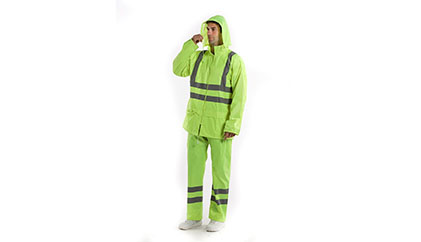
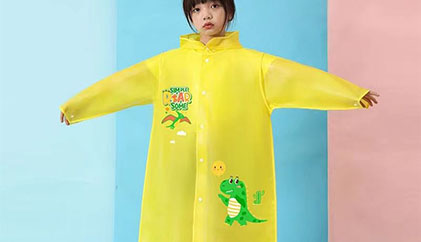
For example, an eco-friendly high-visibility EVA raincoat gives you double the protection. The zipper bars are resistant to strong winds, whereas snap buttons contribute an additional shield against water seepage via the openings. Moreover, the high-visibility configuration functions akin to a signal for oncoming vehicles, thereby rendering your child conspicuous during bleak, clouded mornings as they anticipate the school bus.
Reusability and the Environment
Annually, society discards vast quantities of inexpensive, frail plastic ponchos. These tears follow a solitary excursion to an entertainment venue and persist in landfills eternally. For households in the present era, distancing from one-time-use plastics emerges as a primary objective.
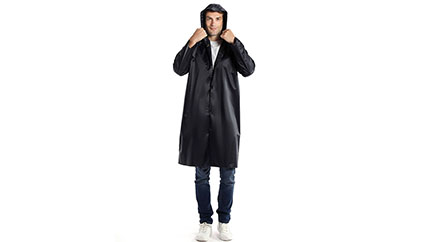
Allocating resources to a robust, carefully constructed segment of safe rain gear ensures endurance across several seasons. It may transfer to a junior sibling as well. Offerings such as a lightweight reusable EVA long raincoat are crafted specifically for this aim. Owing to EVA’s exceptional longevity, it endures prolonged durations of trekking, outdoor camping, and leaping into puddles. Upon reaching its ultimate phase, an eco-friendly kids’ raincoat demonstrates greater benevolence toward the planet compared to outdated toxic plastics. Thus, you shield your child in the present, while safeguarding their world for subsequent times.
Conclusion
Keeping your children dry should never mean exposing them to hidden chemical dangers. By choosing a PVC-free raincoat made from pure EVA, you give them the freedom to play in the rain safely. Since its establishment in 1992, Chenyuan has written a 30-year legend in waterproof manufacturing. With a strict online quality control system and a monthly capacity of hundreds of thousands of pieces, this trusted manufacturer builds rainwear that global families rely on. If you want premium, customized, and completely safe outdoor gear, contact us today to explore our professional raincoat solutions.
FAQs
Q: Why is a PVC-free raincoat better for kids?
A: It removes toxic plasticizers and harsh chemical smells, providing truly safe rain gear for your child’s sensitive skin.
Q: Can you put an EVA rain poncho in a washing machine?
A: No, you should simply wipe the waterproof EVA material down with a wet cloth to keep it clean.
Q: How long does a reusable kids raincoat usually last?
A: A quality eco-friendly kids raincoat made of thick EVA easily lasts several years, surviving rough daily outdoor play.
 E-mail
 Whatsapp
 Leave Message
 top
top