


Heavy-Duty Workwear: Why Quality Materials Reduce Your Long-Term Costs
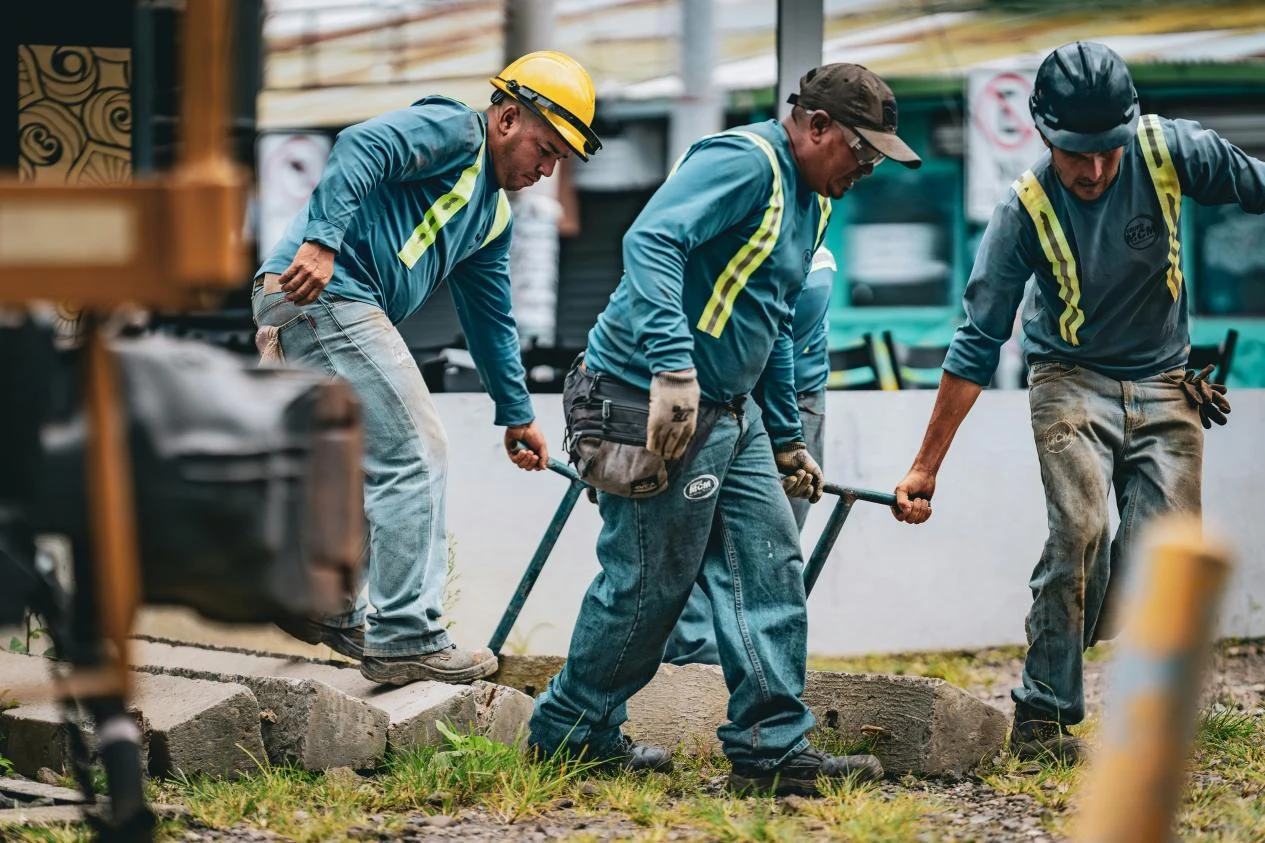
Lately, extreme climate shifts have changed standard building areas and open lots into wet, cold challenge zones. You tune into area broadcasts and witness heavy moisture flows releasing huge volumes of water in one day. In such cases, outdoor groups face severe strain. Each period your staff spends sheltering from the gale in vehicles drains your firm of many dollars in missed effort. If your staff uses weak synthetic covers, those pieces tear on the initial pointed wire barrier they touch. At once, all become drenched, trembling, and heading inside, halting the full day’s task at a high price. This marks the point where managers see that selecting the lowest bulk covers proved a poor money choice. Spending early on real climate shielding goes beyond maintaining comfort and morale. It forms a precise money plan. We now examine how improving your group’s routine attire shifts your annual spending and ensures steady work amid tough conditions.
The Hidden Trap of Cheap Industrial Gear
Many purchasing managers try to cut corners by ordering the lowest-priced jackets they can find in bulk wholesale catalogs. While saving a few dollars on paper looks great during the first quarter, this strategy usually causes a massive financial headache when harsh storms actually hit your busy job site.
Calculating the True Price of Failure
When a cheap plastic coat tears on a scaffolding pole, you have to throw it in the trash and buy another one. Let us run the real numbers to see the damage. If you buy a flimsy $15 jacket that breaks and needs replacing five times a year, you are spending $75 annually per worker. For a medium-sized crew of 100 people, that is $7,500 completely wasted. However, if you purchase a tough $45 coat that lasts the entire year, you spend $4,500 total. You save $3,000 immediately, just by making a smarter choice on day one. When you multiply this waste across several years, your workwear replacement costs absolutely explode. You end up spending far more money replacing broken garbage than you would have spent buying something solid.
Safety Risks Beyond the Price Tag
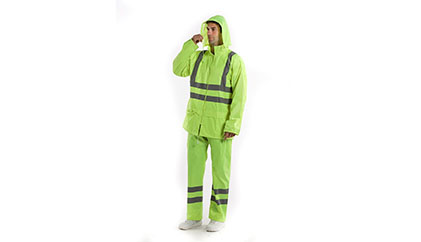
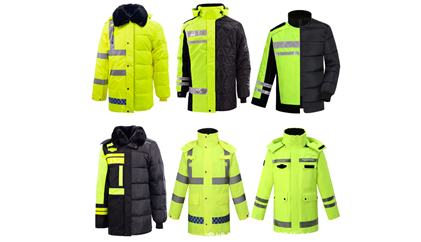
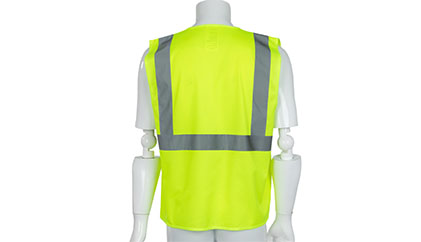
A torn jacket does a lot more than just drain your monthly wallet; it puts your crew in actual physical danger. Thin materials easily let freezing rain soak deeply into inner clothing layers. This leads to rapid body heat loss, sickness, and employees calling out of work the next day. Also, when industrial work clothes fail during a dark night shift, the safety reflective stripes often peel right off or get covered in thick mud. This makes your workers completely invisible to heavy machinery drivers and passing cars. Good gear acts as an important safety shield, keeping your team visible and alert, not just serving as a simple rain cover.
Key Elements of High-Grade Protective Clothing
You cannot judge a cover solely by its vivid shade or the label on the front. To determine if a jacket endures a demanding setting, inspect the exact production aspects and the item’s build closely.
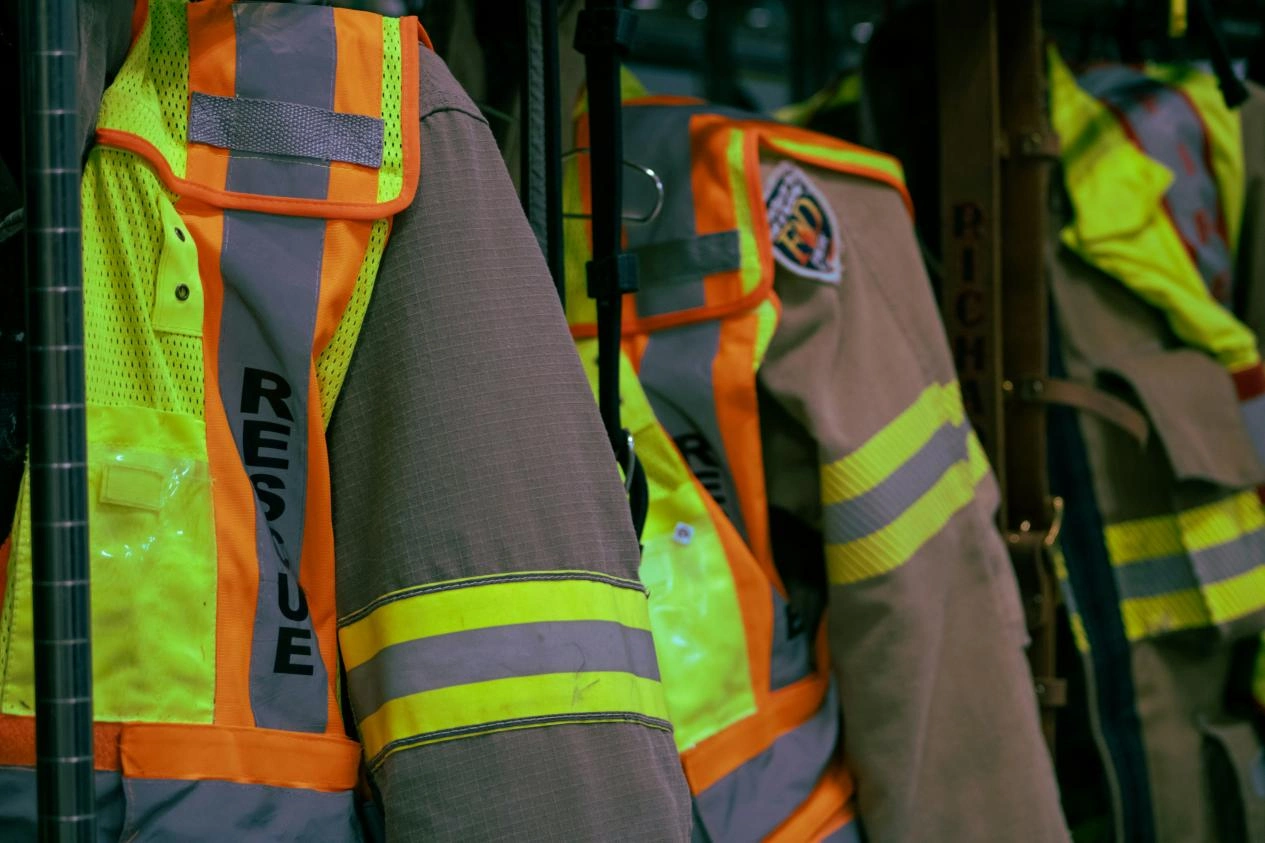
Rather than focusing on bold ad promises or tidy wraps, consider these particular traits when equipping your group:
- Base Fabric Strength:The actual foundation of any solid jacket is the cloth itself. The absolute best quality workwear materials often combine a tough 170T woven polyester outer layer with a thick 0.18 mm PVC inner coating. This brilliant combination stops sharp twigs, nails, and metal edges from slicing the coat open.
- Advanced Seam Construction:Standard factory sewing machines punch thousands of tiny needle holes into the fabric to hold the pieces together. If left untreated, heavy rain pours right through those tiny holes. Top-tier heavy-duty rainwear is built using expensive high-frequency sealing machines. These machines use intense heat and pressure to melt the seams together, creating a solid barrier that water simply cannot pass through.
- Reinforced Stress Points:Look closely at the armpits, the elbows, and the pocket corners of the jacket. These specific spots take the most pulling, bending, and stretching during a hard workday. Proper gear uses double-needle stitching and adds extra fabric patches in these areas to prevent blowouts when workers lift heavy supplies.
- Smart Weather Closures:A truly strong jacket uses heavy-duty metal buttons and wide storm flaps that fold over the front zipper. This clever design prevents driving wind from pushing rain through the front of the coat while the worker is actively moving around the muddy site.
How Strong Fabrics Protect Your Budget
It might feel a bit painful to spend double the money upfront on premium gear, but that initial sticker shock disappears quickly. Let us break down exactly how putting your entire team in much better materials keeps far more cash in your company’s bank account over the next few years.
Extending the Lifespan of Your Equipment
Providing a staff member with a jacket of firm polyester and dense PVC allows it to last the whole structure cycle. Genuine heavy-duty workwear withstands being placed in a soiled vehicle bed, pulled over coarse stone surfaces, and cleaned often without weakening its moisture guard. Surface grit and heavy dirt typically ruin low-cost closures swiftly, but fine closures ignore it. Since the high-grade fabric avoids splitting in cold winter chills or softening in intense summer heat, enduring workwear remains in use for seasons. You acquire it once, and it performs its tough role until the build task concludes.
Reducing Administrative Headaches
Office personnel seldom consider the unseen time lost on supply reorders. Each instance a low-cost cover tears at the location, a lead must pause tasks, go to the office, access a system, submit a fresh request, monitor delivery, and hand out the replacement. By changing your buy emphasis to dependable, lasting workwear, your leaders use far less time on irritating records and following missing parcels. Therefore, they direct their key efforts toward overseeing the build task, meeting schedules, and maintaining the area secure and effective.
Comparing Fabric Options for the Job Site
In a busy store, viewing various material samples proves puzzling without grasping their basic makeup. Below is a straightforward summary of outcomes when matching basic fabrics against expert-level shield materials in actual field settings.
|
Feature |
Cheap Pure PVC Covers |
Professional Polyester/PVC Blend |
|
Tear Resistance |
Very low; rips easily on sharp nails |
High; woven polyester stops deep tears |
|
Cold Weather |
Becomes stiff and cracks in freezing snow |
Stays flexible and soft all winter long |
|
Worker Comfort |
Traps sweat, feels sticky and very hot |
Breathes better, moves with the body |
|
Overall Lifespan |
Usually lasts a few weeks on a busy site |
Lasts for multiple tough construction seasons |
|
Machine Washing |
Melts or loses shape in the laundry |
Holds up incredibly well to regular washing |
As the table clearly shows, investing in hybrid materials completely changes the entire dynamic of your protective gear. You move from a constant, annoying cycle of throwing away broken plastic to outfitting your team in proper, reliable clothing. Beyond the money, throwing hundreds of broken plastic jackets into the local landfill every single year is terrible for the environment. Buying better equipment means you create less trash and run a much greener, cleaner business.
Conclusion
Upgrading your team’s gear is a smart financial move that boosts daily safety and drastically slashes your long-term spending. When your crew stays dry and comfortable, productivity soars regardless of the ugly weather outside. To get the best value, you need a manufacturing partner you can actually trust. Backed by strict ISO9001 quality control and advanced high-frequency sealing machines, Chenyuan provides exceptional custom OEM and ODM solutions tailored to your specific site needs. Stop wasting money on gear that fails. Contact us today to equip your hardworking team with ultimate protection.
FAQs
Q: Why should we invest in heavy-duty workwear?
A: It stops dangerous tears, keeps your workers completely dry, and greatly lowers your workwear replacement costs over time.
Q: What are the best quality workwear materials?
A: A blend of 170T woven polyester with a thick PVC coating provides maximum physical strength and reliable waterproofing.
Q: How long does durable workwear usually last?
A: With proper care, long-lasting workwear can easily survive several harsh outdoor construction seasons without tearing or failing.
 E-mail
 Whatsapp
 Leave Message
 top
top