


Table of Contents
Related news
Why a Dog Rain Jacket Gets Returned After One Rainy Walk
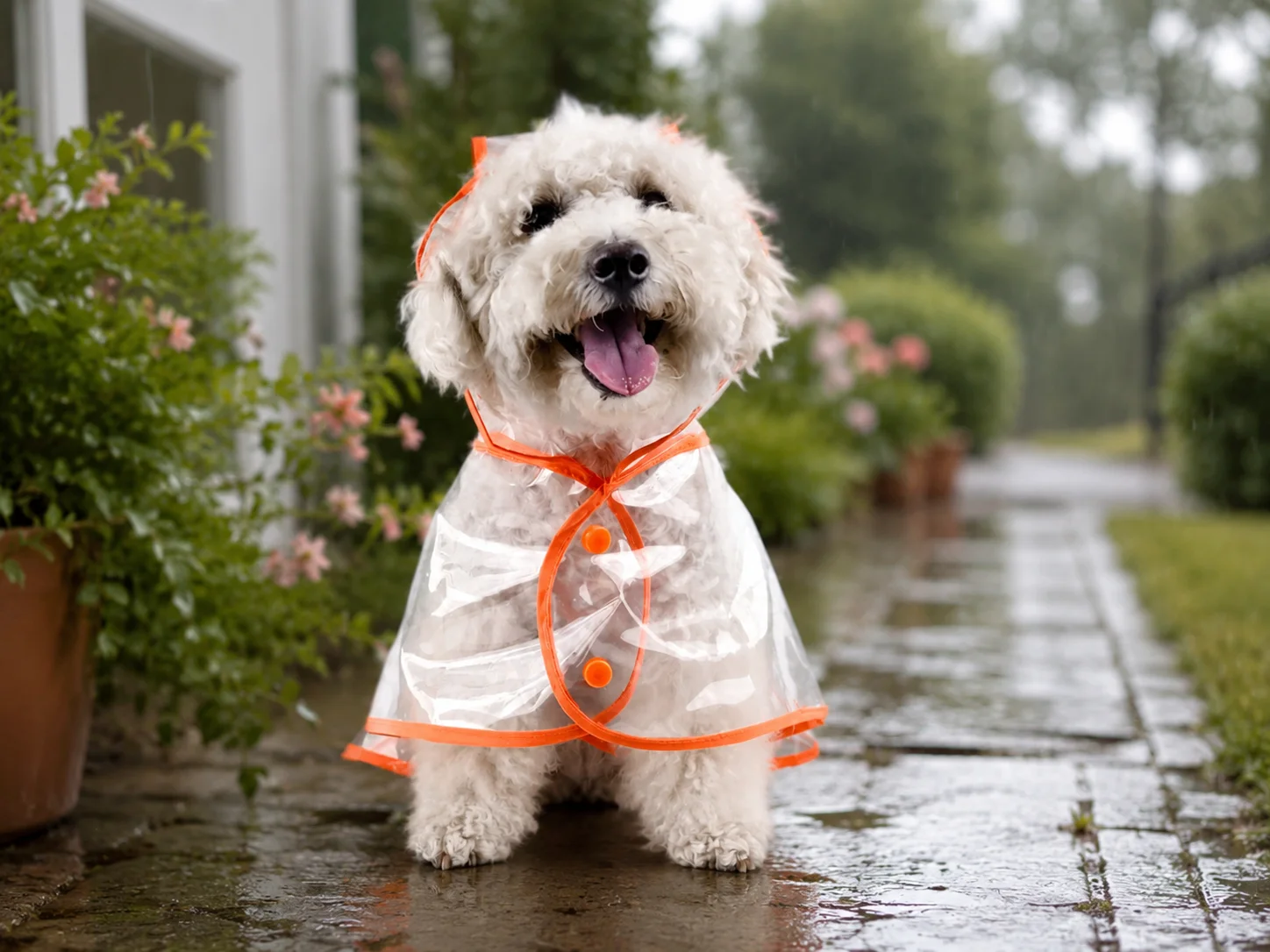
A raincoat can look perfect in a product photo and still come back after one wet walk. The dog pulls forward, the hood slides over one eye, the belly strap twists, or the harness slot sits a few centimeters away from where the leash actually clips. The owner may not write a long complaint. Often the return reason is only “doesn’t fit” or “hard to use.” For retailers, that is enough to turn a promising dog rain jacket into a slow-moving item.
This is where pet rainwear becomes more complicated than it looks. A waterproof dog raincoat is not just a small version of human rainwear. Dogs bend, shake, sit, sniff, and wear collars or harnesses in different ways. A coat that looks clean on a flat table still has to work on a moving body.
Chenyuan’s pet rainwear range covers transparent EVA ponchos, soft poly pongee walking coats, and PU reflective styles. Those options help buyers build a clearer rainy-season shelf instead of selling one generic coat to every customer.
Why Returns Happen After One Walk
The first rainy walk tells the truth quickly. Some coats make noise when the dog moves. Some feel stiff around the shoulders. Some cover the back but leave the chest too exposed, so the owner still has to towel the dog down at home. None of these problems looks serious in a catalog image, yet they affect whether the customer keeps the product.
Many returns start with one missing detail. The size chart may show back length and chest girth, but not explain how to measure a fluffy dog. The photo may show the coat from the side, but not the leash opening. The product name may say raincoat, while the material and closure are better suited to short, light-rain walks.
For pet shops and online sellers, the cost is not only the refund. It is the extra message from the shopper, the second shipment, the weak review, and the lower chance of a repeat order. A pet raincoat that is easy to explain usually performs better than one that only looks cute for the camera.
Fit Problems Hide Until the Dog Moves
Fit is the part of the order that deserves the least guesswork. Small dogs may need a softer neck opening. Long-bodied breeds need more back coverage. Deep-chested dogs need room at the front without making the waist loose. A fluffy coat can also change the real wearing size, especially around the chest and neck.
Flat measurements help, but they do not show everything. Buyers should check at least one small size, one core size, and one larger size before bulk production. Put the sample on a dog or a proper fitting form. Then look at the simple things: does the coat stay centered, does the belly strap pull, does the hood block vision, and can the dog sit without the back panel bunching up?
Product photos should answer the same questions. A front view, side view, back view, and one close-up of the closure can prevent a lot of guessing. For online listings, a basic measurement diagram may do more useful work than another polished lifestyle shot.
Material Choice Sets the Promise
Material is where customer expectation starts. A light poncho should feel easy, simple, and seasonal. A reusable coat should feel more stable in the hand. If the listing does not make that difference clear, shoppers may expect heavy-duty performance from a lightweight product, or they may overlook a better daily walking option because all styles sound the same.
Transparent EVA Poncho
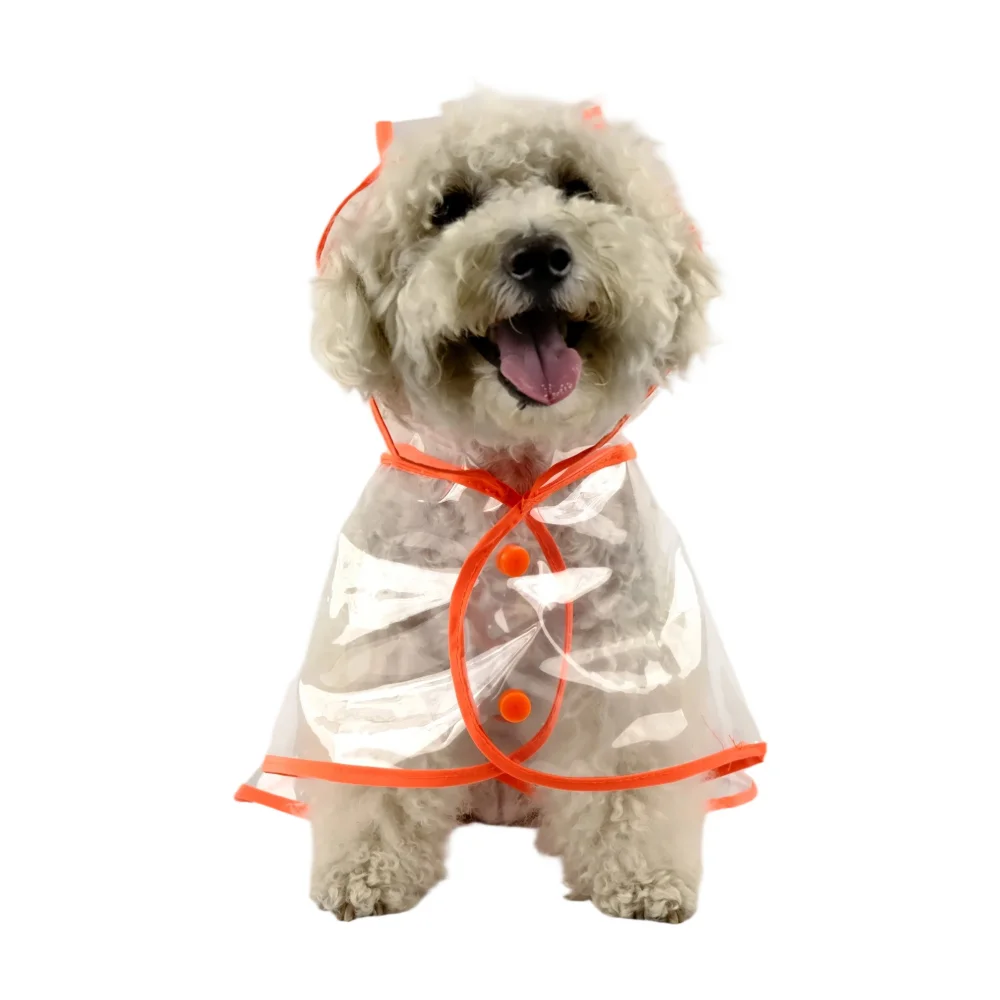
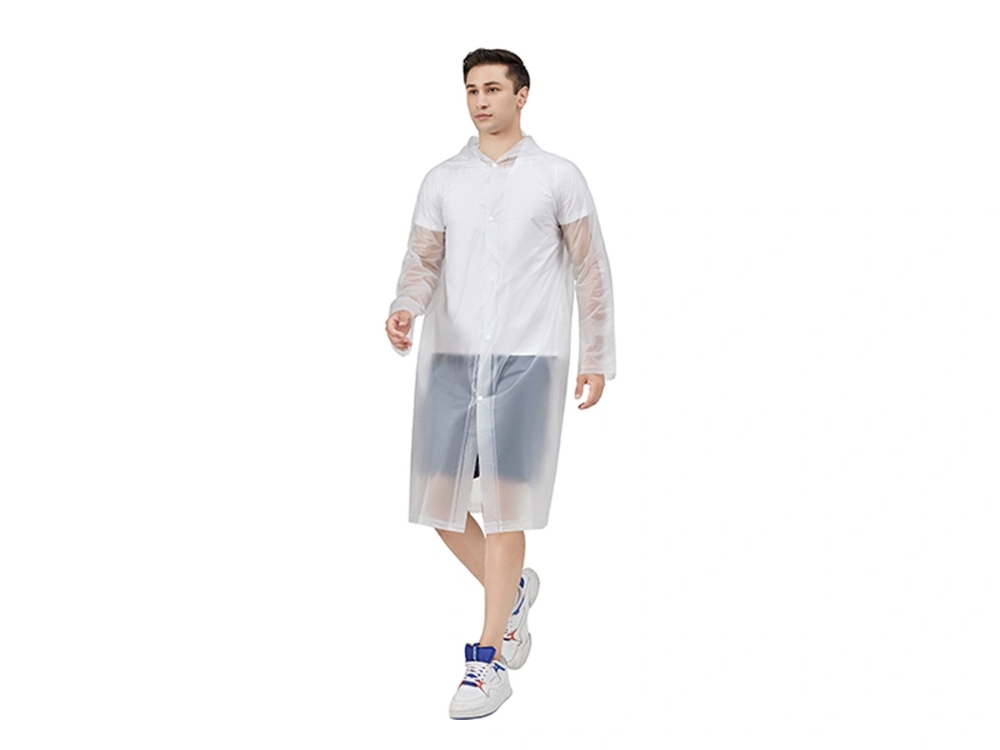
The Transparent Dog Poncho suits buyers who need a light, easy-to-pack rainy-day item. EVA is waterproof, flexible, and clean in photos. The transparent body also lets shoppers see the dog’s shape and harness position, which is useful for quick online comparison.
This dog rain poncho works well for seasonal displays, entry-level pet shop programs, and lower-risk promotional orders. It should be presented as practical light coverage, not as rugged outdoor gear. In that position, it can still be a useful waterproof dog raincoat for short walks, quick errands, and sudden rain.
Poly Pongee Walking Coat
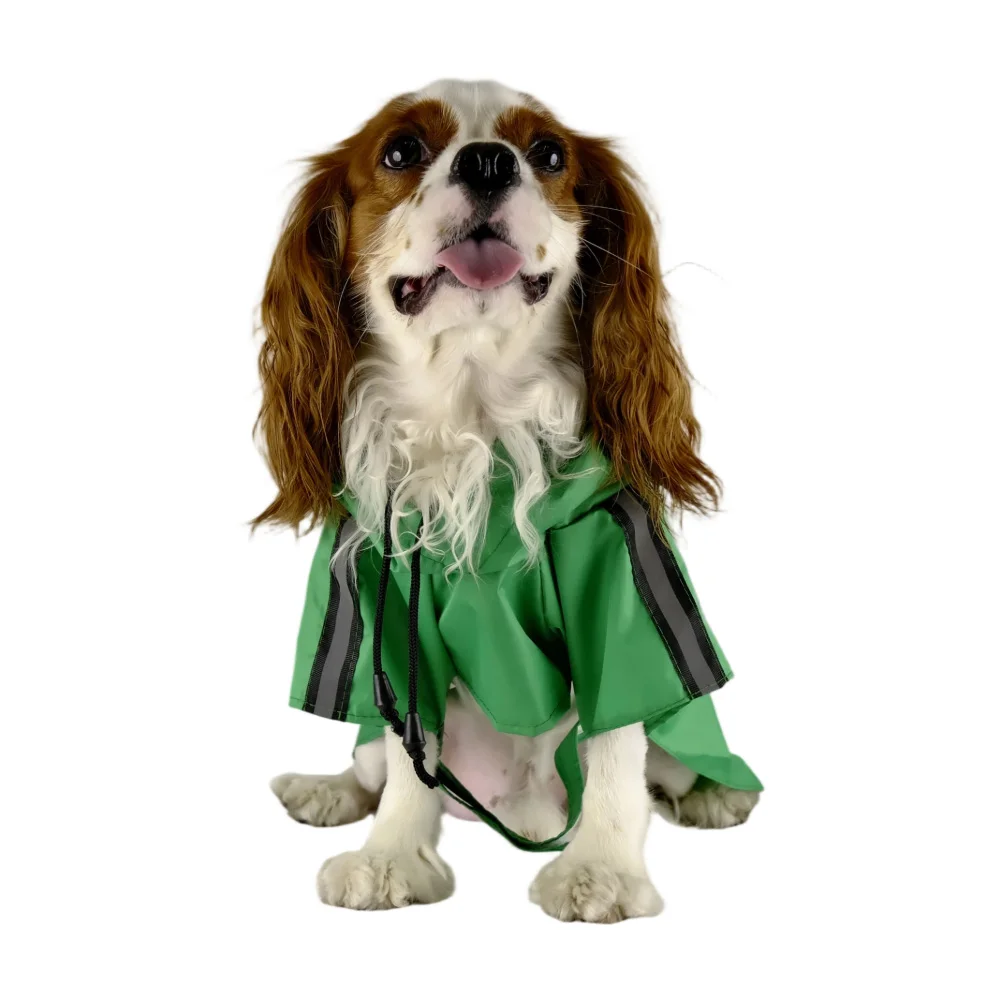
The Poly Pongee Coat fits a softer daily-wear direction. Chenyuan’s product page highlights an adjustable waist and waist reflective strips, which are small details owners notice when the dog walks in real weather.
For retailers, this type is easier to position as a regular walking coat. The sample check should focus on hand feel, waist adjustment, hood shape, and side visibility. If the fabric moves nicely and the coat stays in place, the product feels less like an emergency cover and more like part of the dog’s usual walking kit.
PU Reflective Raincoat
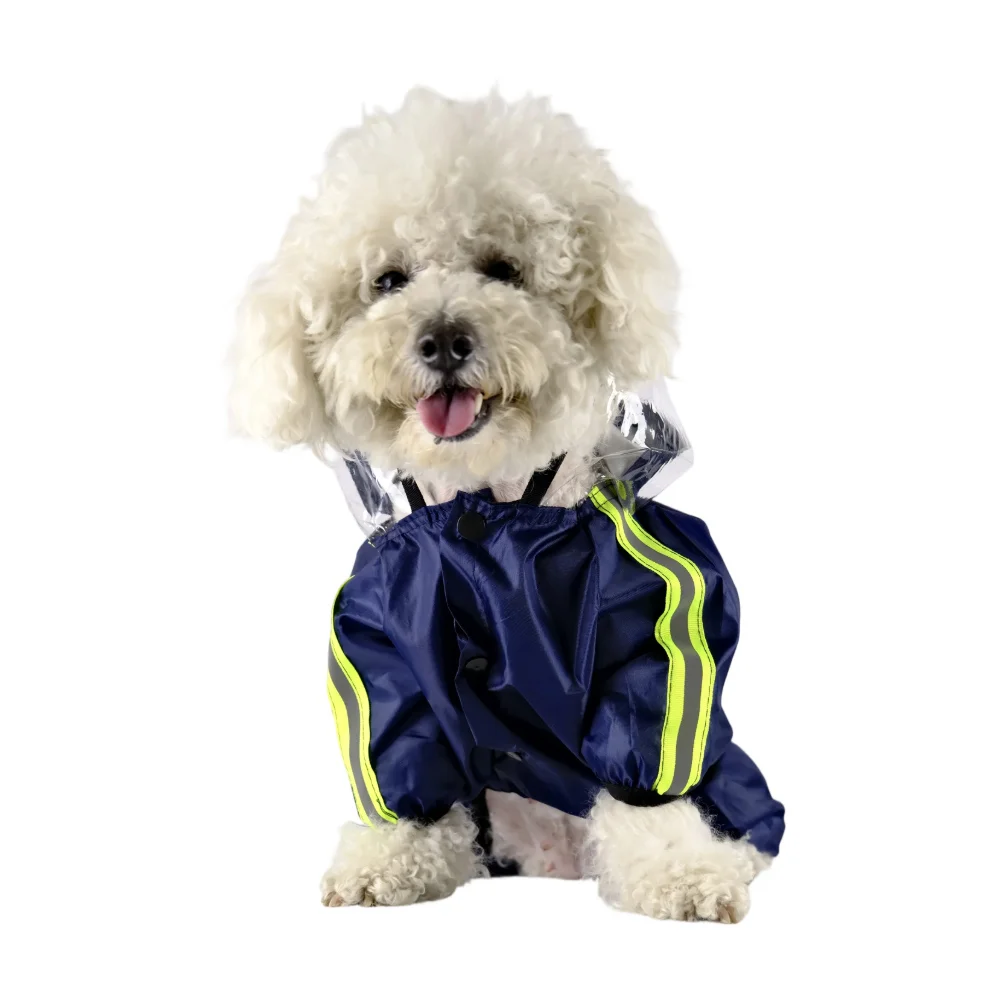
The PU Reflective Coat gives buyers a more structured mid-range option. PU has a clean waterproof surface and a stronger reusable feel than very light rain covers. A reflective dog raincoat also gives store teams a benefit they can explain quickly: better visibility on rainy evenings.
This style is a good fit when the channel needs stronger product value, clearer hang tags, and better product photos. It can sit above a basic poncho without confusing the shopper, especially when the packaging calls out reusable wear, reflective trim, and leash or harness compatibility.
Reflective Trim and Leash Access Need Close-Ups
Reflective details should be visible where people can actually see them. A strip hidden under the belly or blocked by long fur will not mean much on the street. Side visibility matters in city walking scenes because bicycles, scooters, and cars rarely approach only from behind.
Leash access is just as easy to overlook. Some owners use collars. Many now use back-clip harnesses. If the opening is narrow, weakly finished, or placed too far forward, the coat pulls out of shape once the leash is clipped. That problem is annoying for the owner and uncomfortable for the dog.
Before confirming an order, buyers should ask for close-up images of the harness slot, snap system, hood edge, belly closure, and reflective trim. These photos may not look glamorous, but they answer the questions that shoppers usually ask after delivery. They also give customer service and retail staff better material for product pages, hang tags, and in-store explanations.
Samples, Packaging, and SKU Names Matter Before Launch
A sample should prove more than the garment. It should also show how the product will be sold. Size labels, barcode position, folded card, polybag, hanger, carton mark, and care wording all affect the buyer’s launch plan. If the package only says “pet coat,” it leaves too much work for the shopper.
|
Sample Check |
What to Confirm |
Why It Matters |
|
Size run |
Chest, back length, neck opening, belly coverage |
Reduces returns caused by vague sizing |
|
Material feel |
EVA, PU, or poly pongee softness and stiffness |
Matches comfort expectation and price tier |
|
Hood structure |
Vision, ear room, and neck comfort |
Prevents the hood from becoming a complaint point |
|
Reflective placement |
Side and rear visibility |
Makes safety value easier to explain |
|
Leash opening |
Position, reinforcement, and harness fit |
Prevents pulling and awkward walking |
|
Packing |
Size label, barcode, hanger, polybag, folded card |
Helps retail staff stock and sell correctly |
SKU names should separate real use cases. An EVA poncho, a hooded poly pongee coat, and a PU reflective coat should not be treated as the same item with different photos. The dog rain poncho can serve light seasonal demand, while the PU style can support a more durable waterproof dog raincoat line.
For buyers building a small rainy-season assortment, Chenyuan’s Pet Rainwear Range makes a simple product ladder possible: transparent light coverage, softer daily walking wear, and reusable reflective rainwear. That kind of assortment is easier for shoppers to compare and easier for stores to explain.
A good rainy-day pet product still makes sense after the first walk. It fits real body shapes, works with the leash, shows reflective value clearly, and arrives in packaging that helps people choose the right size. For buyers preparing a new dog rain jacket program, Chenyuan can support sample review, material selection, size planning, and custom packaging. To discuss product options or order details, buyers can Contact Us.
FAQ
Q1: What is the best material for a pet raincoat?
A1: EVA is light and easy to pack, PU feels more reusable, and poly pongee can suit softer daily walking styles. The best choice depends on price tier, sales channel, climate, and how often the item will be used.
Q2: Does a reflective dog raincoat really help retail sales?
A2: Yes, when the reflective trim is easy to see and easy to explain. It gives the product a clear use case for evening walks, rainy commutes, and city pet owners.
Q3: Should retailers carry one style or several pet rainwear options?
A3: Several styles usually work better. Entry-level, daily-use, and reusable reflective items answer different shopper expectations, so a small product ladder can reduce confusion and support repeat orders.
 E-mail
 Whatsapp
 Leave Message
 top
top