

Durables y reciclables: por qué los impermeables sostenibles son el nuevo elemento esencial al aire libre
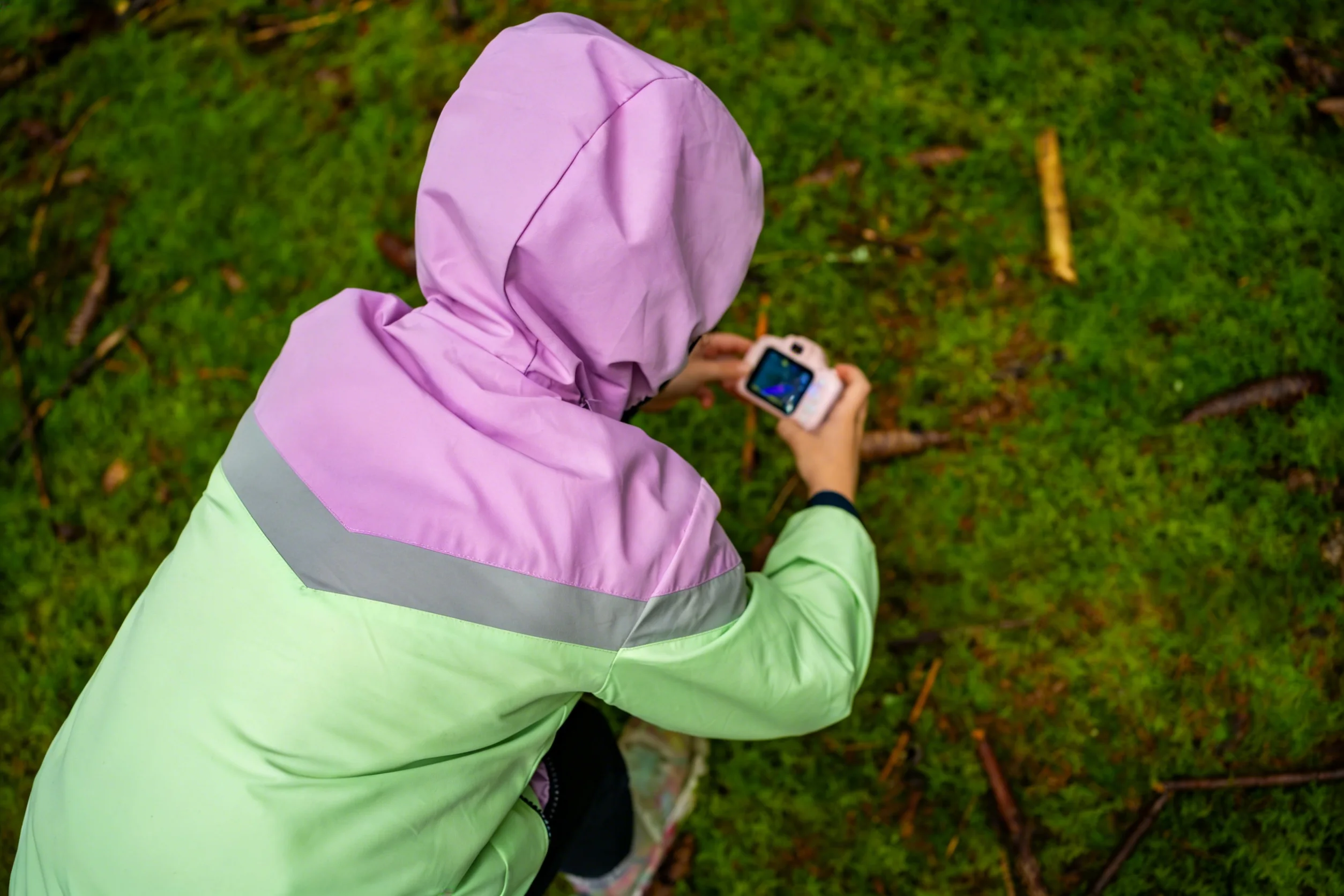
Las fuertes lluvias inesperadas a menudo interrumpen los viajes diarios al trabajo, los conciertos al aire libre y los senderos casuales con más frecuencia en estos días. Cuando las nubes se reúnen rápidamente, la gente tiende a apresurarse a buscar cobertura. Durante mucho tiempo, la respuesta fácil a una ducha repentina consistía en recoger una lámina de plástico débil de una tienda cercana. Desafortunadamente, esas láminas ligeras de un solo uso generalmente se desgarran en solo unas pocas horas. Por la noche, llenan los contenedores urbanos y más tarde se acumulan en sitios de residuos durante siglos. Aquellos que disfrutan de las actividades al aire libre ahora están reconociendo este enorme y claro problema del exceso de residuos. Todo el mundo tiene como objetivo mantenerse seco, pero nadie quiere dañar al planeta en el proceso. Esta creciente comprensión compartida impulsa un cambio significativo en el mercado de artículos al aire libre. Los compradores buscan activamente opciones que cuiden de la naturaleza. En consecuencia, los impermeables sostenibles se han trasladado rápidamente de un concepto especializado y costoso a un concepto práctico y asequible para cualquier persona que se dirija al aire libre. Estos cambios reflejan tendencias más amplias. Promueven mejores hábitos entre los usuarios. Además, promueven beneficios a largo plazo para el medio ambiente.
El cambio hacia materiales verdes en la protección contra el clima húmedo
Durante muchos años, los productores confiaron en nuevos plásticos a base de aceite para bloquear la humedad. La razón era simple: costaban poco y trabajaban sin molestias. Sin embargo, los clientes actuales esperan más. Este cambio obliga a las plantas a revisar completamente sus fuentes materiales. Ahora, intercambian plásticos dañinos y viejos por telas frescas que protegen a las personas y al entorno por igual. Estas actualizaciones mejoran la calidad general. También se alinean con los estándares globales. Como resultado, la industria ve un crecimiento constante en la demanda.
Por qué la ropa de lluvia reciclada de poliéster está ganando popularidad
Convertir recipientes de bebidas usados en una capa externa utilizable parece casi increíble. En realidad, representa una ingeniería inteligente. En la actualidad, la ropa de lluvia reciclada de poliéster supera las ventas ya que aborda el problema de los residuos plásticos de frente. Las plantas recogen los residuos plásticos del uso diario, los lavan cuidadosamente, los calientan en líquido y los forman en fibras firmes. Los trabajadores luego tejen estas fibras en paños sólidos que funcionan tan bien como el poliéster fresco. Seleccionar esta opción ayuda a evitar que toneladas de plástico entren en los mares y la tierra. La producción de estas fibras reutilizadas requiere mucho menos agua y energía que la extracción de nuevo aceite. Cuando se trata adecuadamente, el paño forma una barrera sólida a la lluvia. Esto demuestra que proteger la naturaleza no requiere renunciar a la fuerza. De hecho, muchos expertos de campo ahora eligen esta ropa actualizada. Ofrecen un flujo de aire mejorado y una flexión más fácil en comparación con los plásticos antiguos rígidos. Tales preferencias ponen de relieve ventajas prácticas. Fomentan una adopción más amplia en varios entornos.
El aumento del eco-friendly EVA en uso diario
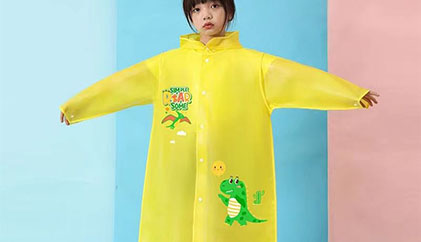
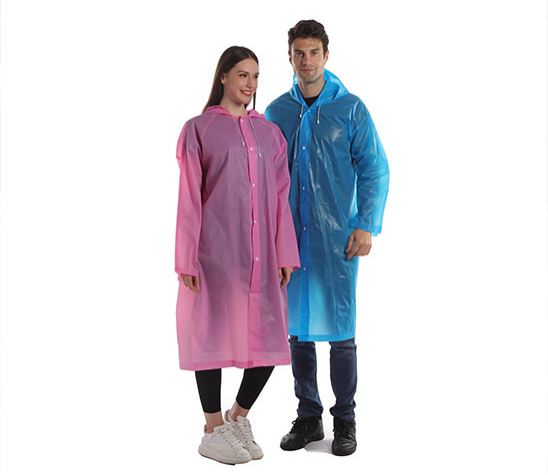
Aunque los materiales a base de tela se adaptan bien a las capas más gruesas, muchos usuarios prefieren la textura elegante y ligera de una cubierta brillante estándar. Anteriormente, el PVC era la principal opción para tales diseños, a pesar de que su producción liberaba sustancias nocivas. En estos días, respetuoso con el medio ambiente EVA surge como la elección más sabia. Esta sustancia carece de toxinas, olores y elementos de cloro de riesgo. Se toca suavemente y lleva menos peso que los tipos de caucho tradicionales. Su gran flexibilidad evita el endurecimiento o la división en el clima frío durante las duras estaciones de invierno. Por lo tanto, forma una base ideal para artículos resistentes al agua lavables. Puedes empacarlos compactamente, guardarlos en una bolsa y recuperarlos cuando el cielo se oscurezca. A diferencia de los plásticos de bajo costo que se adhieren a la piel y mantienen la humedad, esto proporciona una sensación agradable y aireada que dura. Los usuarios aprecian la comodidad. Soporta el desgaste prolongado sin irritación. Además, se adapta perfectamente a diversas actividades.
Prueba de prácticas amigables con el planeta
Cualquier empresa puede agregar un símbolo de la naturaleza a una etiqueta y decir que el producto ayuda al mundo. El cuidado genuino del medio ambiente requiere revisiones exhaustivas por parte de grupos externos. Las insignias confiables ofrecen total confianza a los compradores. Confirman que el bien comprado realmente coincide con sus reclamaciones ecológicas. Este proceso de verificación crea fiabilidad. Guía decisiones de compra informadas. Con el tiempo, moldea las preferencias del mercado hacia la calidad.
El verdadero valor de GRS Ropa certificada
El Global Recycled Standard es actualmente el punto de referencia internacional más confiable para los textiles reciclados. Cuando compra ropa certificada GRS, está comprando un producto con un historial totalmente verificado. La versión 4.0 sigue cada paso de la cadena de suministro. Confirma exactamente cuánto contenido reciclado hay dentro de la tela. Pero va mucho más allá de contar botellas de plástico. La auditoría también examina de cerca las condiciones de trabajo dentro de la fábrica. Comprueba salarios justos, entornos seguros y gestión adecuada de productos químicos. Este nivel de transparencia crea una profunda confianza entre el fabricante y la persona que usa el abrigo.
|
Características |
Ropa de lluvia virgen tradicional |
SGRS Ropa certificada |
|
materia prima |
Petróleo recién extraído |
Residuos post-consumo verificados |
|
Auditorías de fábrica |
A menudo desconocido o oculto |
Estrictos controles sociales y químicos |
|
Huella de carbono |
Extremadamente alto |
Reducción significativa |
|
Confianza del consumidor |
Bajo y cuestionable |
Alto, rastreable y seguro |
Construir equipos que duren años, no días
Hacer una chaqueta de botellas recicladas es maravilloso, pero derrota el propósito si el artículo se desgarra durante su primera excursión. La verdadera responsabilidad ambiental implica crear artículos difíciles que sobrevivan a condiciones duras repetidamente. Una vida útil más larga del producto simplemente significa que menos basura va al vertedero con el tiempo.
Ingeniería ropa al aire libre duradera
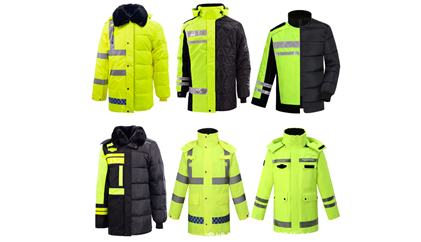
Desarrollar ropa de exterior duradera requiere un cuidadoso enfoque durante el montaje. La tela importa, pero también lo hace el método de unión. Los principales productores ejecutan grandes sitios equipados con dispositivos de sellado térmico y máquinas de doble punto. Estas herramientas unen los bordes de manera tan segura que el agua no puede filtrarse. Un abrigo de calidad incluye soporte adicional en los hombros y los puntos de almacenamiento. Con líneas de producción completas, los trabajadores cualificados pueden producir hasta 4 millones de piezas al año sin perder de vista el control de calidad. Además, estrictos controles de control de calidad en línea ocurren en cada paso. Una muestra de preproducción es cuidadosamente hecha y aprobada antes de que la línea de montaje principal incluso se encienda. Esta construcción robusta significa que el abrigo puede enfrentar ramas afiladas, mochilas pesadas y manejo áspero sin desgarrarse.
Maximizar la Vida útil de los engranajes impermeables reutilizables
Los materiales más finos todavía requieren una manipulación adecuada para lograr el máximo uso. Invertir en equipo impermeable reutilizable da sus frutos cuando se cuida correctamente, extendiendo su servicio por años. Después de la tormenta, siempre suspenda su abrigo para que se airee completamente antes de almacenarlo plegado en el almacenamiento. Mantenerlo empaquetado mientras está húmedo daña gradualmente la capa repelente al agua. Para la suciedad del sendero, un paso rápido con un paño húmedo a menudo es suficiente para la limpieza. Al mantener bien sus artículos, adopta la sostenibilidad básica: comprar menos bienes. Un abrigo resistente que dura cinco años sirve a la tierra mucho mejor que adquirir cinco sábanas descartables de gama baja cada temporada de primavera. Esta práctica crea hábitos. Contribuye a reducir el consumo. Además, aumenta la satisfacción personal con opciones duraderas.
¿Qué pasa cuando la chaqueta llega a su final?
Incluso las sustancias más resistentes eventualmente se desvanecen después de un uso prolongado y fiable. La última fase en un sistema de reciclaje completo implica la planificación del artículo’ su destino una vez que no logra bloquear el agua. Empresas progresistas diseñan por delante para esta etapa. Integran consideraciones de fin de vida desde el principio. Esta previsión cierra el bucle de manera efectiva. Reduce al mínimo el impacto ambiental.
Cuando su abrigo por fin se desgaste, evite descartarlo directamente al desperdicio. El sector exterior se esfuerza por desarrollar equipo de lluvia reciclable que se descompone para su reutilización. A continuación se presentan los principales elementos que simplifican el reciclaje de tal equipo:
- Construcción de un solo material:Los recubrimientos hechos totalmente de un solo material, como el 100% ecológico EVA, son mucho más fáciles de derretir para las plantas de reciclaje. Cuando una capa mezcla cinco plásticos diferentes juntos, separarlos se vuelve casi imposible.
- Hardware extraíble:Las cremalleras de metal, latón y botones de plástico deben retirarse antes de que la tela pueda ser reciclada. Los diseñadores inteligentes utilizan piezas modulares que se pueden cortar fácilmente en una instalación de reciclaje.
- Etiquetado claro:Las etiquetas que indican claramente la composición química exacta de la capa ayudan a los recicladores a clasificar la prenda en el recipiente de procesamiento correcto, lo que acelera todo el ciclo de reciclaje y evita la contaminación.
Conclusión
Para concluir, elegir la protección adecuada contra el clima húmedo ya no se trata solo de mantenerse seco; Se trata de tomar decisiones responsables por nuestro planeta. Adoptar impermeables sostenibles ayuda a reducir los residuos globales y apoya en gran medida la fabricación ética. Si necesita un socio confiable en esta transición verde, Chenyuan destaca como líder absoluto de la industria. Establecida en 1992, Chenyuan trae más de 30 años de excelencia en la fabricación. Con una impresionante capacidad de producción y un riguroso control de calidad, entregamos productos certificados de primer nivel en todo el mundo. Para pedidos personalizados o abastecimiento profesional, contacto nosotros Actualice su inventario hoy.
Preguntas frecuentes
P: ¿Por qué los impermeables sostenibles son mejores que los tradicionales?
R: los impermeables sostenibles reducen los residuos de vertederos y las emisiones mediante la utilización de materiales como ropa de lluvia de poliéster reciclado en lugar de plásticos vírgenes.
P: Es GRS ropa certificada totalmente impermeable?
R: Sí. La ropa certificada GRS proporciona una excepcional resistencia al agua al tiempo que garantiza el uso auténtico de materiales reciclados post-consumo.
P: ¿Puedo personalizar el equipo de lluvia reciclable para mi marca?
R: Absolutamente. Chenyuan ofrece servicios OEM para personalizar la ropa de lluvia reciclable y la ropa al aire libre duradera con su logotipo de marca específico.
 Correo electrónico
 Aplicación Whatsapp
 Dejar mensaje
 arriba