

Best Waterproof Parka Raincoats for Extreme Winter Weather
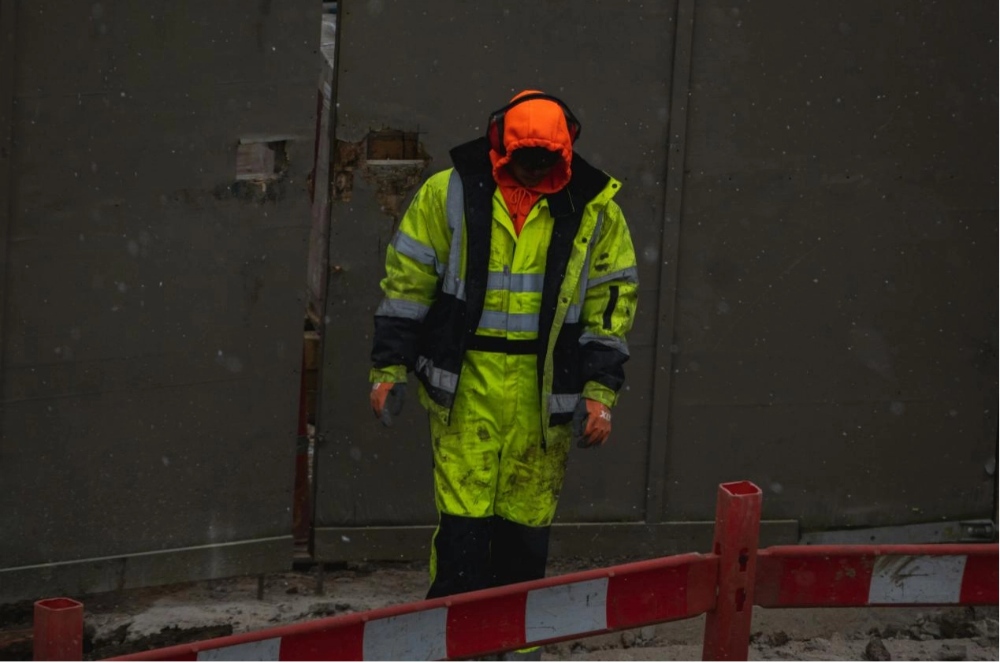 Have you seen how winter conditions appear more unpredictable these days? One moment brings a gentle snowfall, and the next traps you in a chilling torrent that creates a muddy slop everywhere. For folks who labor outside or travel through such weather, a typical wool overcoat or a simple windbreaker simply falls short. You wind up trembling and drenched right through. That’s precisely why a solid waterproof parka raincoat has turned into an essential item. It’s not only about remaining dry. It’s also about staying toasty when the mercury plunges and the precipitation feels like sharp ice bits. In this overview, we’ll explore what turns a winter coat into a dependable option when nature gets rough.
Why a Standard Jacket Fails in Harsh Winter Rain
As the breeze strengthens and the downpour slants, most everyday coats reach their breaking point fast. A common winter rain jacket may seem snug, but if the surface layer misses the right treatment, liquid will soon penetrate the material and reach the filling. Once that inner layer becomes soaked, it can’t hold warmth anymore. This leaves you chilly and unhappy.
Many folks check the exterior first. However, the real worth of a winter rain jacket comes from how it manages warmth and dryness together. Picking the incorrect mix often results in feeling moist inside from perspiration or outside from drips. To dodge this issue, we should examine the particular material options and building methods used now.
The Critical Role of Waterproof Ratings and Seams
A genuine heavy duty raincoat gets made in a unique way. It often includes a hydrostatic head measure that shows how much liquid force the material can endure before leaking. For tough winter conditions, you need an item that withstands strong forces. Plus, consider the joins. Leading makers like Chenyuan apply special high-frequency tools to close those joins. This keeps even one drop from slipping past the stitch marks.
Insulation That Works Even When It Is Damp
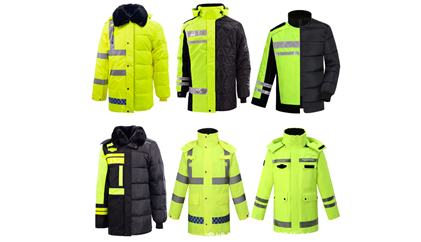
In a waterproof parka raincoat, the “thickened” part is what saves you in below-freezing showers. Unlike down feathers, which bunch together and quit working when wet, fake thickened fillings in a work parka hold their form. So, if some dampness enters during a lengthy outdoor task, you still get that heat shield protecting your body’s warmth.
The Secret Strength of the Oxford Cloth Parka
If you’ve ever ripped a low-cost raincoat on a random twig or tool, you understand that toughness matters as much as water resistance. Here, the Oxford cloth parka stands out. Oxford material is a pattern known for its sturdiness. It doesn’t just block water. It also handles the everyday rough use from actual jobs or tough outdoor trips. The shift from simple stuff to advanced materials like Oxford cloth transformed things for work and nature gear. It gives a firm appearance that looks business-like, while delivering safety that slimmer fabrics can’t equal.
Why Oxford Cloth is the Professional Choice
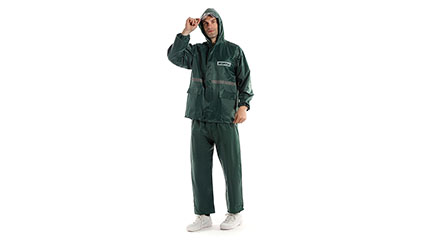
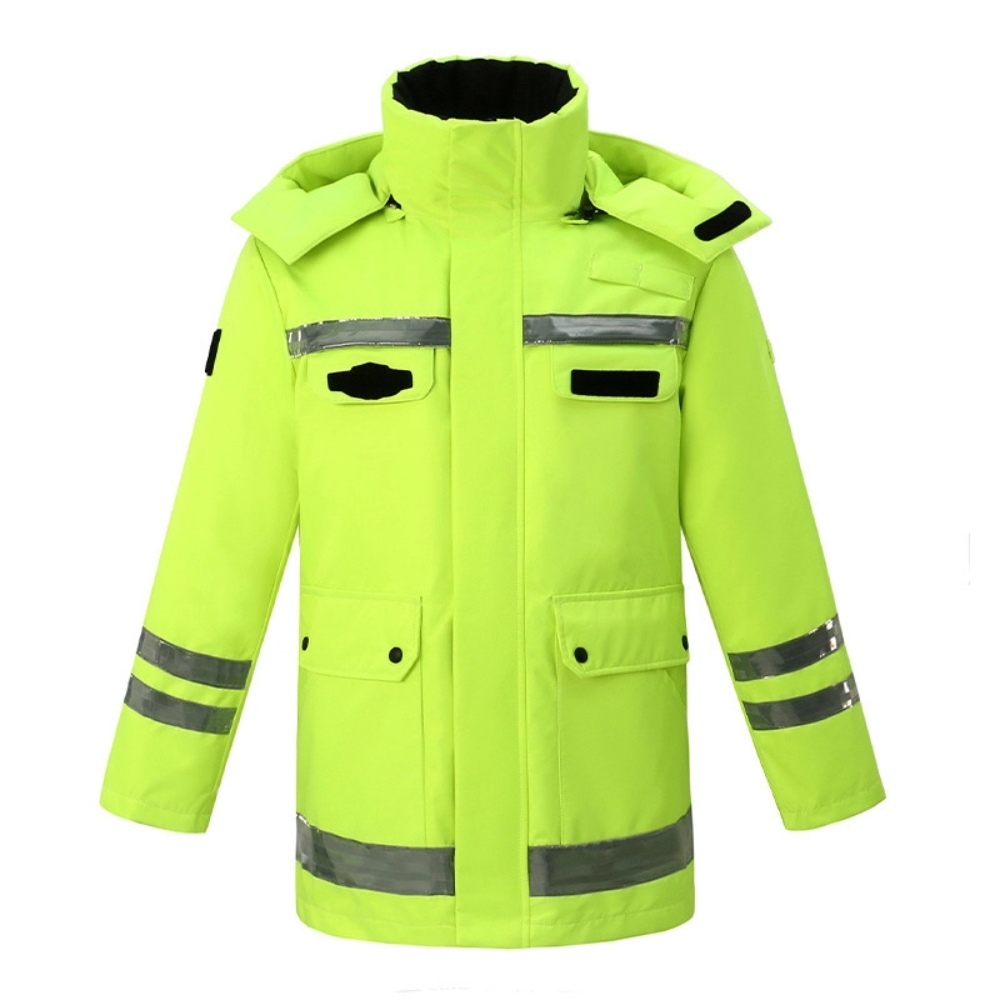
The feel of an Oxford cloth parka is far denser than a basic rain cape. At Chenyuan, for example, plenty of parkas blend polyester with PVC covering. This forms a layer that seems solid. When you put on a 1075g coat, you sense protection from the surroundings. It’s like the gap between a thin plastic sheet and a protective cover against the wet.
Maintenance and Longevity
One great aspect of a heavy duty raincoat from Oxford cloth is its simple upkeep. Grime tends to stay on top instead of sinking into the threads. You can usually clean it with just a wet rag. Since the fabric is so robust, these coats endure for seasons. That makes them a smarter buy for companies equipping their groups.
Key Features to Look for in a Heavy Duty Raincoat
Every raincoat isn’t the same. If you’re hunting for top protection, go beyond the shade and cost. A fine waterproof parka raincoat must include certain practical parts that ease things during long storm exposure.
Selecting the proper fabric is a good beginning. Yet, the minor elements often decide your ease after hours in the wet. A coat without a solid hood or flexible wrists will let cold gusts enter eventually. Let’s outline the vital traits that change a plain coat into a work-level guard.
Adjustable Storm Hoods: A hood that’s too tight will fly away in gusts. Seek one with ties and a slight edge to block rain from your face.
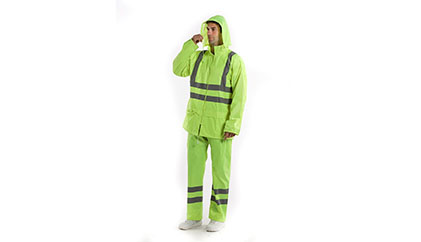
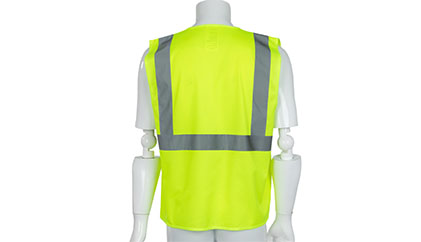
Reflective Stripes: Winter brings early darkness. Reflective bands can save lives for those near roads or crowded areas.
Reinforced Zippers: Basic zippers snag or snap easily. A heavy duty raincoat needs a thick, non-rusting fastener, often hidden by a “storm flap” that buttons across it.
Large Cargo Pockets: You require spots to store gloves or a phone without getting them wet. Deep pockets with covers are key.
Elastic or Velcro Cuffs: These close your wrists tightly. That way, water can’t climb up your arms as you grab items.
Scaling Up: The Benefits of a Custom Outdoor Parka
For companies, building teams, or event staff outside, ready-made coats don’t always suffice. You may want certain hues to fit your logo, or added storage for unique tools. That’s when a custom outdoor parka steps in. It lets a firm supply pro equipment that doubles as an ad for their name.
Switching from single buys to large custom orders calls for a supplier who knows production inside out. It’s not merely adding a mark to a done item. It’s crafting a piece that matches your exact work demands. Here’s why customization helps your group.
Tailored to Your Specific Environment
Perhaps your crew operates in low light and requires broader reflective strips. Or they might want a winter rain jacket with a removable inner layer for warmer months. Partnering with a plant like Chenyuan, which boasts 30 years in the field, lets you tweak details. For instance, pick between PVC or PU layers to suit your setting perfectly.
Reliability in Mass Production
Ordering 1000 units of a waterproof parka raincoat means each one must match the standard. Chenyuan‘s 12 production lines and 8 skilled workshops make sure the last jacket stays as water-tight as the initial. Also, with sample creation in just 7-10 days, you can test the build before the whole batch.
How to Match Your Jacket to Your Activity
The “best” coat hinges on your task. A mountain climber faces different challenges than a watchman at an entrance. To pick the ideal winter rain jacket, factor in your energy level and movement amount.
Figuring out your requirements wraps up a wise choice. You avoid wasting money on unused perks, but you also steer clear of skimping when cold hits hard. Now, consider some typical situations and the right equipment for them.
Industrial and Outdoor Work: Choose the heavy-duty raincoat. That Oxford cloth fights rips, and the thick filling keeps warmth during still or light duties.
Commuting and City Life: A sleeker waterproof parka raincoat in a plain tone fits well. It shields you from the wet during bus waits, yet appears neat for work.
Adventure and Camping: Seek a custom outdoor parka with air flow plus water blocking. You’ll move plenty, so the coat must release some warmth while stopping the rain.
Conclusion
Picking proper winter items goes beyond style. It’s about security and ease. A strong waterproof parka raincoat using tough Oxford cloth lets you tackle fierce gales and heavy showers without worry. If you’re a person seeking a trusty winter rain jacket or a manager wanting a custom outdoor parka for a big crew, put quality at the top. With more than 30 years of know-how since 1992, Chenyuan excels at keeping folks dry. If you’re set to improve your winter shield or seek a group price, feel free to contact us.
FAQs
Q: What is the best material for a heavy-duty raincoat in winter?
A: Oxford cloth with a PVC or PU coating is ideal because it is incredibly durable and 100% waterproof.
Q: Can I customize the logo on a waterproof parka raincoat for my company?
A: Yes, Chenyuan supports OEM and ODM customization for any custom outdoor parka with a professional R&D team.
Q: How long does it take to get a sample of a winter rain jacket?
A: It usually takes about 7 to 10 days to develop a sample based on your specific requirements.
 E-mail
 Whatsapp
 Leave Message
 top
top