

How to Choose the Best Kids’ Raincoat: The Ultimate Guide
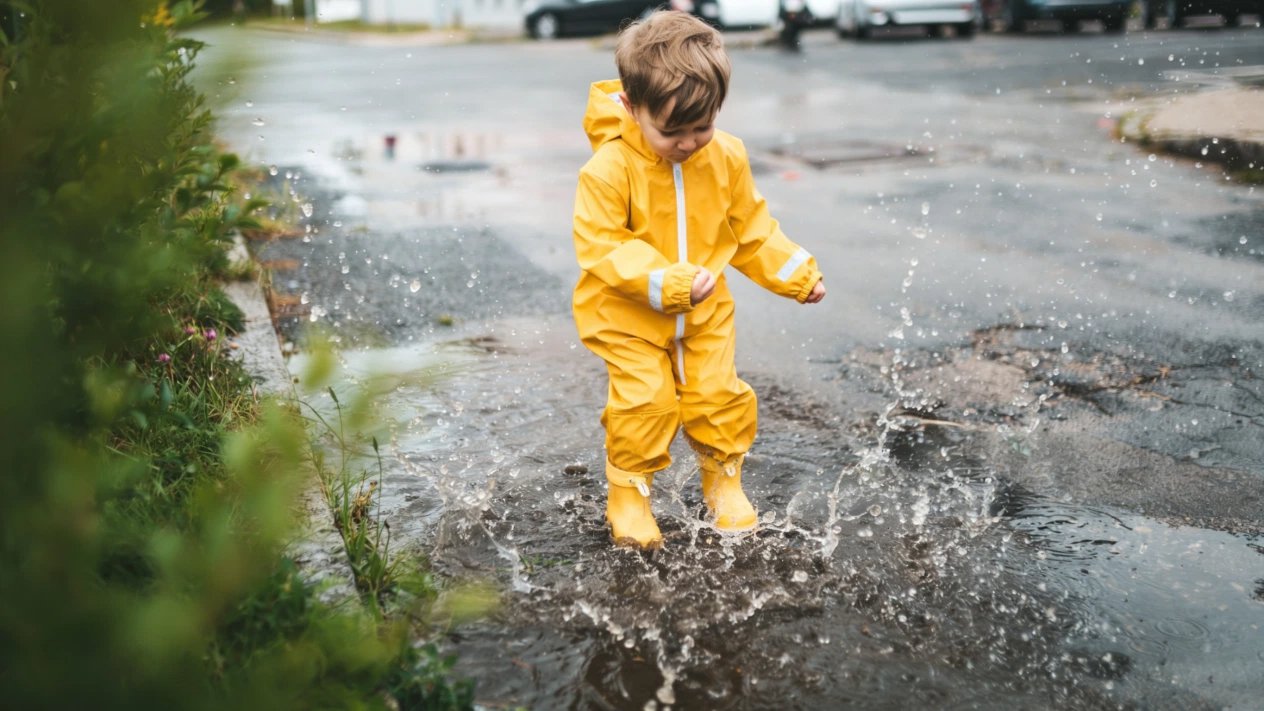
It’s 7:45 AM on a stormy Tuesday morning, and the gray sky has just opened up. You are rushing to get the kids out the door for the school bus, but there is a familiar panic. Your child’s “waterproof” coat from last year feels snug now. The zipper sticks in the middle. Worse yet, you recall how they returned home with a wet top after the previous rain. That jacket only resisted water a bit. It was not fully waterproof. Picking the proper outfit goes beyond staying dry. It ensures your child feels at ease, secure, and content even in bad weather. This holds true for a quick summer shower or days of steady fall rain. Knowing key points to check will cut costs and ease your busy mornings. This guide covers all you need to pick the best kids rain jacket that fits your family’s routine.
Material Matters: Why Fabric Choice is Critical
Your initial choice centers on the fabric. This decides the coat’s weight and touch, along with how well it lets air through and its safety rating. Today’s market offers parents a mix of choices. These range from basic plastics to newer mixed synthetics. Grasping the gaps between them is the starting point. It helps you select the right item for your child’s tasks, like a walk to school or a trail outing.
The Rise of the Eco-friendly EVA Kids Raincoat
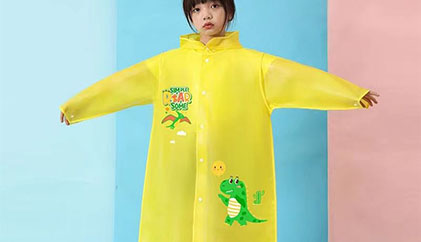
Over the past few years, parents have changed what they want from kids’ items. We pay more attention to chemicals near our children’s skin. We also think about how products affect the earth. This shift has boosted the appeal of Ethylene Vinyl Acetate, or EVA. It differs from old plastics that might have sharp smells or a hard, uneasy feel. An Eco-friendly EVA kids raincoat provides a gentle, rubbery texture. It bends easily and suits lively movement.
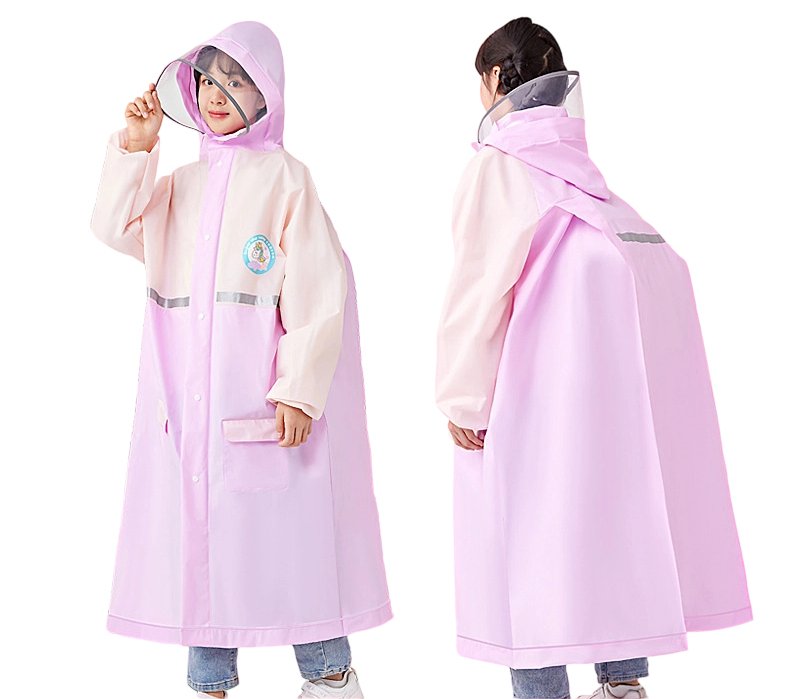
On the safety side, EVA stands out. People often pick these coats as a non-toxic kids raincoat because the fabric usually lacks chlorine and tough plastic add-ins in low-cost picks. What is more, EVA breaks down naturally. So, it serves as a wise option for the environment. Its light build makes it ideal as an extra coat. You can fold it into a bag’s base without extra weight. If your child has tender skin or if you aim to lessen your home’s green impact, going for EVA is a clever, future-focused step.
Heavy-Duty Protection with Polyester and PVC
EVA works well for easy carrying and green safety. But sometimes you require strong toughness for tough play outside or in big rains. That is when polyester mixes step in. A solid best kids rain jacket commonly uses polyester cloth with a PVC, or Polyvinyl Chloride, layer. This setup blocks water completely.
Chenyuan‘s lines often blend Polyester and PVC. They form a shield that water cannot pass. This mix tends to be denser and harder to rip than thin sheets. When seeking durable kids rainwear, see if the cloth notes Polyester/PVC or Poly Pongee. These fabrics handle the rub of a slide or a branch catch on a walk. For extra guard, many tough choices include a high-frequency seal method. It stops water from entering seam holes.
| Feature | Eco-friendly EVA | Polyester/PVC Blend |
| Waterproofing | High | Very High |
| Durability | Moderate | Excellent (Heavy Duty) |
| Weight | Very Lightweight | Medium to Heavy |
| Flexibility | High (Soft feel) | Moderate (Structured) |
| Best Use | School bag backup, travel | Hiking, heavy storms, outdoor play |
Essential Design Features for Active Children
After you pick the fabric, turn to the design details. A raincoat serves as a practical item. Like any such tool, its value comes from its parts. Skip the fun prints for now. Focus on useful traits that fix everyday issues. Think of being seen in dim light or stopping rain from hitting the face.
Safety First with Reflective Gear
Seeing clearly matters a lot in wet weather. Cloudy skies, mist, and strong rain can hide walkers from drivers. This is true for small kids at crossings or stops. So, looks must yield to safety traits. When checking a coat, seek out parts that guard your child in faint light.
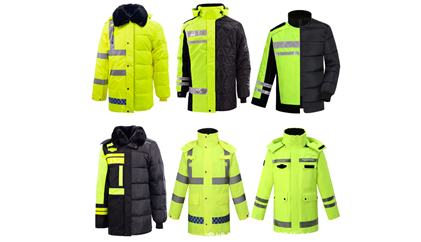
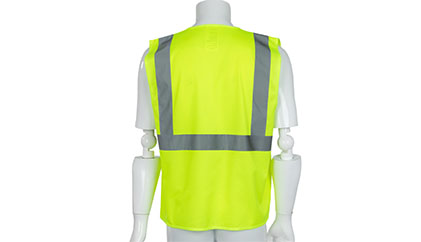
Never buy a dark-colored raincoat without high-visibility elements. Reflective rain gear for kids is essential for school commutes. You want a jacket that “pops” when car headlights hit it. Look for:
-
Reflective strips across the back.
-
High-visibility bands on the cuffs.
-
Reflective detailing on the hood.
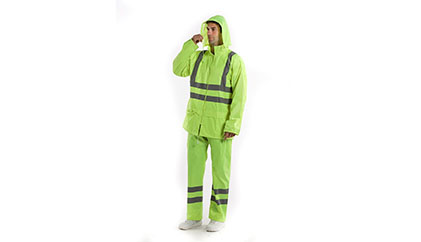
Chenyuan incorporates these safety elements into their designs, producing polyester PVC hooded raincoats specifically featuring reflective stripes. These strips might seem like a small detail, but they significantly increase the distance at which a driver can see your child. Additionally, bright colors like yellow or orange are safer choices than black or navy blue for younger children. When browsing through product options, always check the product profile for “reflective stripes” or “safety” descriptors.
Maximum Face Protection: The Raincoat with Double Brim
Kids often say rain hoods let water splash their faces. Or the hood falls over their eyes and blocks sight. This flaw in basic coats can turn a walk in rain into a chore. It might even pose risks if vision gets blocked.
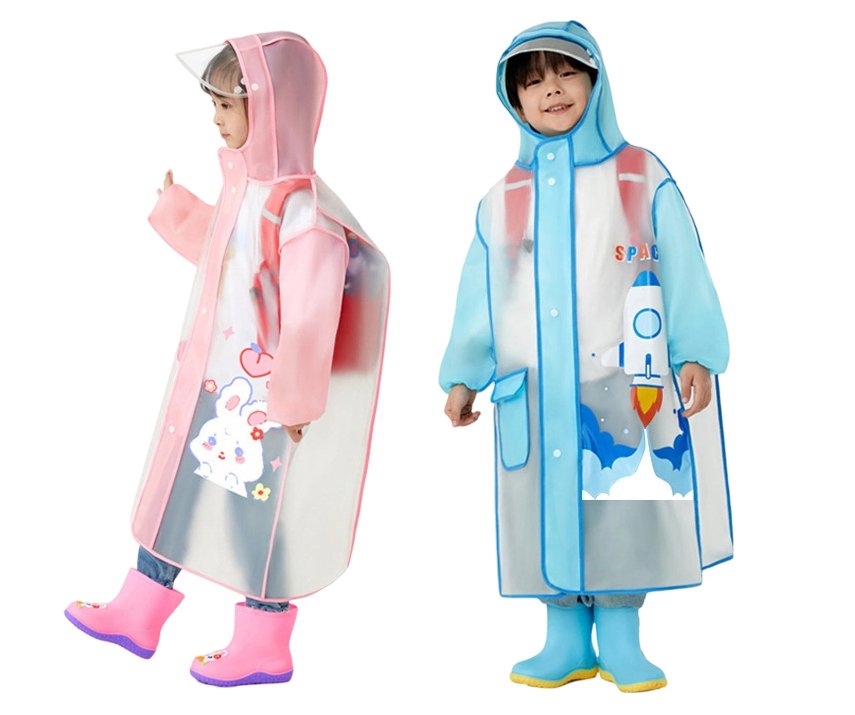
A solution gaining traction in the market is the raincoat with double brim. This innovative design usually features a transparent, firm inner visor paired with the standard outer hood. It acts like a windshield for your child’s face. While keeping the rain off their nose and glasses, the transparent material ensures their peripheral vision isn’t obstructed—a crucial factor when they are watching for traffic.
Sizing and Fit: Ensuring Comfort and Longevity
The final piece of the puzzle is getting the fit right. Children grow quickly, and their clothing needs to accommodate not just their growing bodies but also the layers they wear underneath. A raincoat that fits perfectly over a t-shirt in September might be useless over a thick wool sweater in November.
The Backpack Dilemma
This issue bothers school kids a lot. If the coat fits the child well but cannot cover the backpack, the bag and its contents get wet. Or if the bag goes over the coat, the straps press the cloth. Over time, this might let water in.
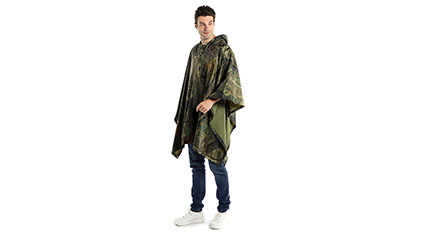
A loose-fitting poncho or a “cape style” raincoat is often the best solution for this scenario. Chenyuan produces rain ponchos specifically designed with volume in mind. These can be thrown over the child and their bulky bag, ensuring everything stays dry. If you opt for a standard jacket, consider sizing up to accommodate the bulk of a backpack underneath, or look for designs with expandable back panels. This ensures that the best kids rain jacket you buy today remains useful for the entire school year.
Durability and Manufacturing Quality
Kids wear out their outfits fast. They splash in water, rub against walls, and cram wet coats into lockers. You do not wish to buy new rain items each month. Spotting durable kids rainwear means checking the maker and build. The coat’s lasting power ties to the builder’s skill. Seek companies with a real background, not just a sales focus.
Conclusion
Choosing a proper rain outfit means putting money into your child’s ease and safety. Choose fabrics like the Eco-friendly EVA kids raincoat for easy days or strong Polyester/PVC for big rains. Insist on parts like a raincoat with double brim and bright strips. This keeps your young ones dry and easy to see. Turn wet days from a bother into fun chances.
For reliable quality, Chenyuan leads the field. Started in 1992 in the “World Capital of Small Commodities,” Chenyuan has built a “waterproof story” over three decades. With a large 10,000 square meter plant and 200 staff, we carry ISO9001 approval. This guarantees each item hits firm global rules. From our high-frequency seal work to strict checks, we mix old skills with new ideas. Contact us today. We handle custom large orders or special safe styles. 30 years of making skills make Chenyuan the top choice to hold back the rain.
FAQ
Q: Is an EVA raincoat better than a PVC one for toddlers?
A: Yes, an Eco-friendly EVA kids raincoat is generally softer, lighter, and safer (non-toxic kids raincoat) for younger sensitive skin.
Q: How do I wash my child’s reflective rain jacket?
A: Always check the label. Usually, wiping kids’ rainwear with a damp cloth is best to protect waterproof coatings.
Q: Why should I choose a poncho over a standard jacket for school?
A: Ponchos are spacious enough to cover backpacks, keeping homework dry, and often feature reflective rain gear for kids elements.
 E-mail
 Whatsapp
 Leave Message
 top
top