


Investing in Quality: Rain Gear That Will Last for Years
Almost everyone has dealt with this situation at some point. You are just ten minutes into a heavy downpour. Maybe you are riding your motorcycle to work. Or perhaps you are handling a busy construction site. Then, you feel that unwelcome chill of water trickling down your back. The “waterproof” poncho you picked up from a nearby store has caught on a zipper and torn open. Now, it is a little more than a soggy plastic sheet. This kind of frustration shows the real downside of inexpensive equipment. Sure, the low upfront cost looks attractive at first. But you end up buying and replacing that poor-quality rainwear several times each season. In the end, it costs much more in cash and misery than getting a single sturdy set that truly handles the weather. If you work outdoors and face storms every day, or if you enjoy adventures that demand dependability, choosing tough rain gear is not an extra. It is a must for remaining dry, secure, and able to concentrate on what matters.
Beyond the Price Tag: What Defines Durability?
When we discuss lasting power in gear that shields from weather, we mean a mix of strong fabric, solid seams, and bendable materials. A bargain raincoat tends to give out because the fabric turns rigid in cooler conditions or the seams come loose under pressure. Real toughness ensures the item holds its shape even after facing sunlight, heavy rain, and constant motion over and over.
Before you buy your next piece, it is key to realize that not every waterproof fabric performs the same. The market offers plenty of choices. However, what sets apart gear that survives just a short time from one that endures for years often boils down to the core material and its treatment.
Material Matters: The Rise of the Poly Pongee Raincoat
For many years, PVC (polyvinyl chloride) served as the go-to option. It blocks water fully and comes at a low price. Yet, it is also bulky, rigid, and likely to split as time passes. That is why newer options like Poly Pongee have changed things in the field. A poly pongee raincoat provides a clear step up in strength without adding extra weight.
Poly Pongee consists of a gentle, sturdy fabric. It usually gets a waterproof covering, such as PU or PVC, that sticks well compared to those on basic nylons. Unlike old-school hard plastics that break at creases after storage, Poly Pongee stays pliable. It feels more like regular cloth than plastic. As a result, it resists wear from rubbing during everyday use. For people who want equipment that does not feel like a trash bag, this fabric sets the benchmark for smart, long-lasting buys.
Construction Quality: Seams and Stress Points
The fabric might be very strong. But if the seams lack power, water will still get in. In robust rain outfits, how the seams are built matters as much as the fabric. Budget items often use basic sewing. That creates countless small openings where water can leak.
Top-notch gear employs heat-sealed or taped seams. In this method, they apply a waterproof strip by heating it over the stitches. This closes off the holes from the needle. Moreover, they strengthen key spots under strain, such as the underarms and the groin in rain pants. These parts fail first when you climb something or step over your bike. So, when checking a raincoat, tug lightly on the seams. If light shows through the stitching, leave it behind.
Heavy-Duty Solutions for Tough Environments
Different environments demand different levels of protection. A light drizzle on a walk requires different gear than a monsoon on a highway or a construction site. Understanding your specific environment is key to selecting gear that won’t fail you when you need it most.
If you are working in construction, landscaping, or industrial sectors, or if you are riding a motorcycle at high speeds, you need gear that offers physical protection as well as water resistance. The following categories represent the pinnacle of durability for these demanding scenarios.
Specialized Needs: Motorcycle Rain Gear
Traveling by motorcycle during rain brings its own problems. You face not only rain from above but also water slamming into you at high speeds, like 60 miles per hour. Regular raincoats can puff up or rip in such gusts. That is the reason specialized motorcycle rain gear gets designed in a unique way.
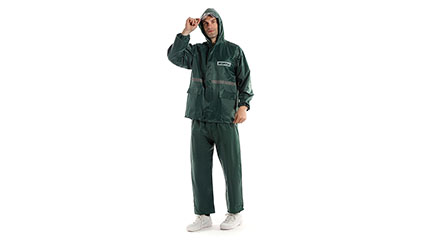
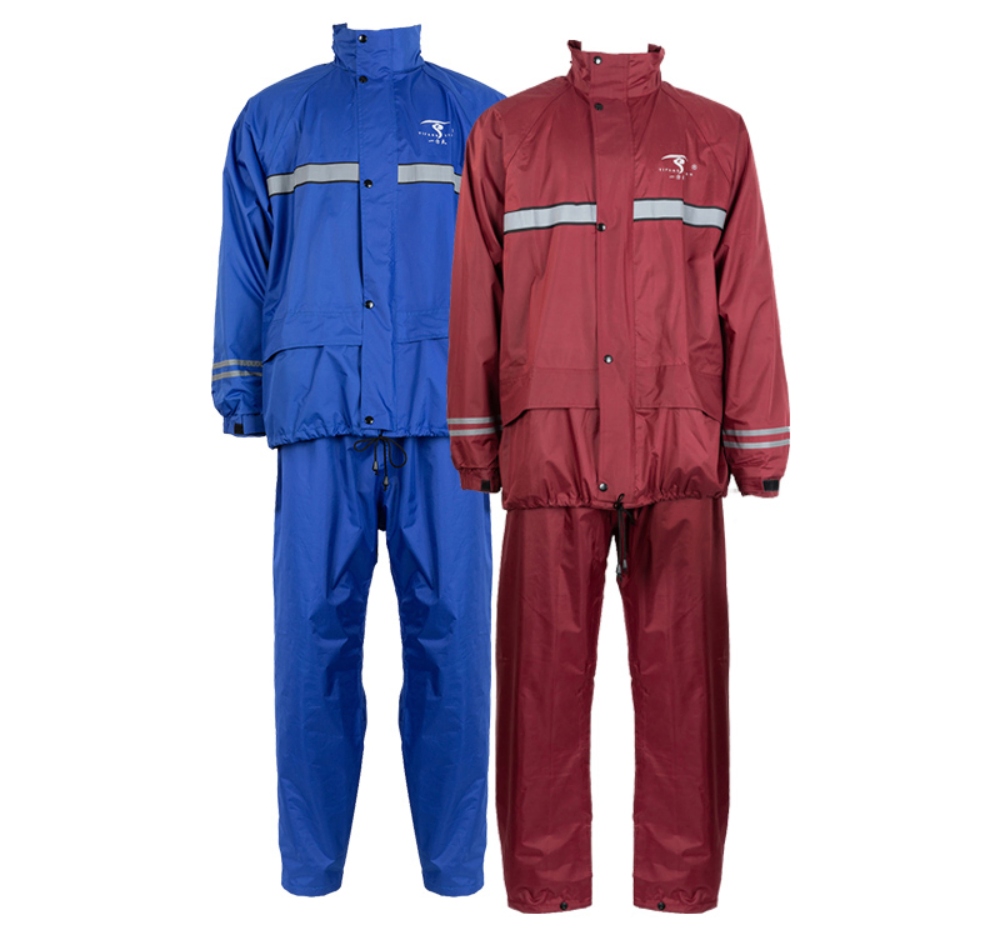
Dependable riding outfits, such as Chenyuan’s Reusable Poly Pongee Raincoat, use a split style with a jacket and separate pants instead of a single poncho. This gives a close fit that avoids flapping in the breeze. They typically have double-placket zippers to block rain pushed by wind from entering the front. By choosing gear made for riding, you ensure the material’s thickness, often measured in denier or mm, can handle tears from a fall or catch. It adds a layer of safety that does more than just prevent wetness.
Industrial Strength: Heavy-Duty Rain Suits
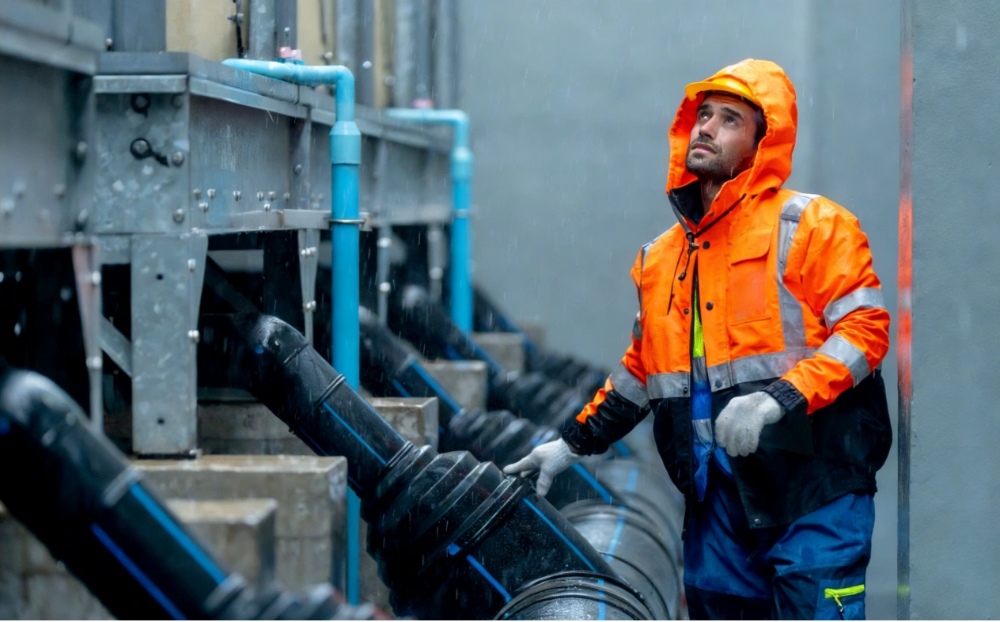
For the construction worker or the oil rig employee, rain gear is PPE (Personal Protective Equipment). Heavy-duty rain suits for this demographic are built to resist snags from nails, abrasion from concrete, and exposure to oil and grime.
Such suits commonly feature denser versions of Polyester/PVC mixes or strong Oxford cloth. Designers focus on practical details: big flaps over pockets to block storms, tougher knees, and cuffs you can adjust to cover boots. Here, the value lies in safety and keeping work going smoothly. A soaked and chilly worker loses focus and faces higher chances of mishaps. An outfit that endures a full year on the job beats a cheap one that tears right away during basic tasks like digging.
Comfort and Safety: The Invisible Features
The main aim is to stay dry. But if sweat soaks you from within, the gear has not done its job. Likewise, if you remain dry yet become unseen in low light and risk a collision, it has let you down. Today’s high-end rainwear tackles these hidden aspects.
To gain real worth from your buy, seek out traits that improve how the item works. Breathability and visibility are not extras. For ongoing use, they form vital parts of how well the clothing performs.
The Science of Breathable Waterproof Rainwear
The “sauna effect” ruins basic rainwear. When you exert yourself or walk long distances, your body produces warmth and sweat. If that sweat stays trapped, it turns to dampness inside the jacket. You end up feeling sticky and chilled. This explains why breathable waterproof rainwear costs more. And it is worth the expense.
Skilled makers reach this goal with special coatings or by adding ways to let air flow, like vents on the back with mesh or zippers under the arms. For instance, Chenyuan’s rainsuits for outdoor activities include styles that promote airflow while stopping water. This mix helps keep your body heat steady. You can wear the gear for extended periods without annoyance. In turn, it stretches the time you can use it comfortably during a shift.
Visibility Saves Lives: Reflective Rain Jackets
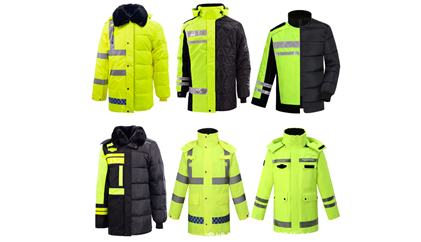
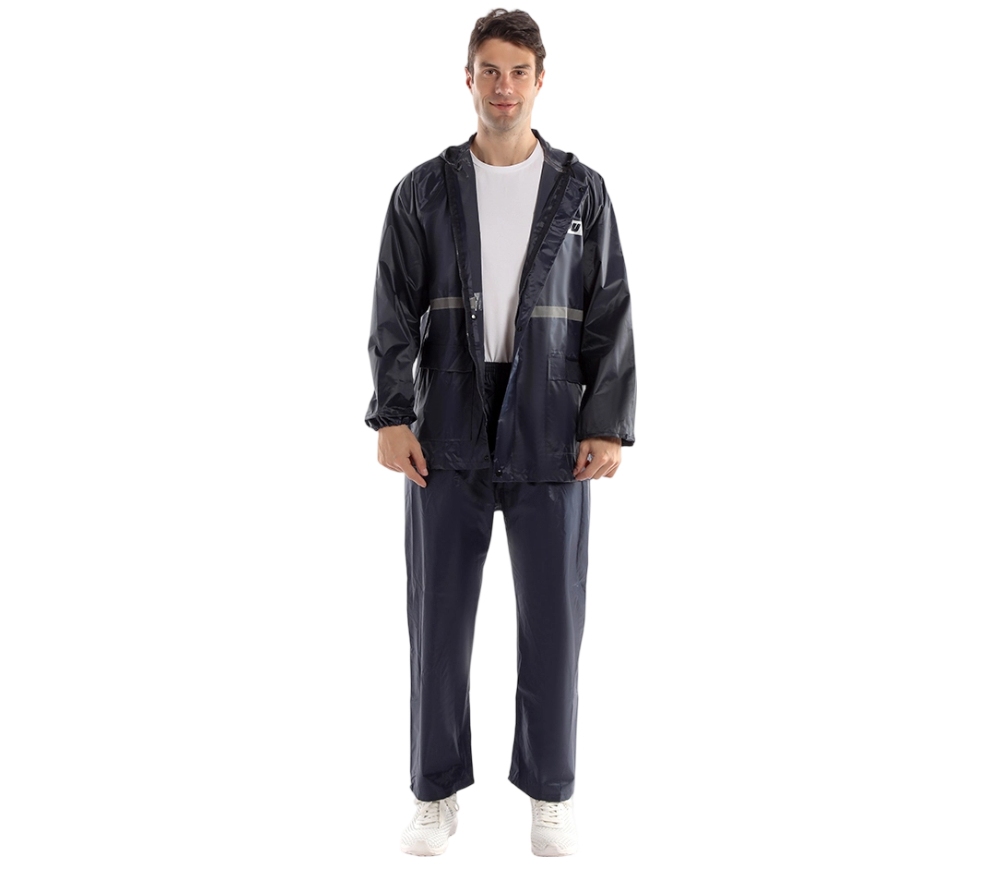
Rain frequently brings dim conditions and poorer sight lines. For those near roads or biking along them, being seen can mean survival. Reflective rain jackets change ordinary apparel into a tool for safety.
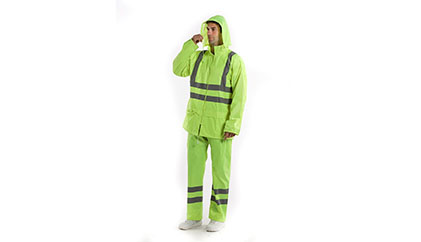
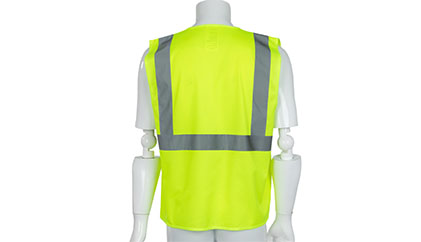
A vivid yellow jacket alone is not sufficient. Good gear uses strong retro-reflective strips, often meeting ANSI standards, positioned wisely on the chest, back, and sleeves. This setup reflects light from car lamps straight back to the source. When you select a jacket with built-in reflective elements, you get something that protects from the weather and helps avoid crashes. Professionals expect this in their equipment. It should top the list for riders or site workers.
The Manufacturing Edge: Sourcing from the Source
In the end, your rain gear’s standard hinges on the maker behind it. Many labels are simply promoters who hand off work to the cheapest suppliers. On the other hand, getting from a focused raincoat manufacturer with proven skills ensures better oversight than what general traders provide.
Learning about the production roots reveals the item’s core qualities. A plant that has thrived for years likely does so by excelling at mixing affordability with solid materials and careful checks.
How a Top Manufacturer Controls Quality
A reputable manufacturer does not leave quality to chance. Take Chenyuan, for example. With over 30 years of experience since 1992, they have evolved from a small workshop to a massive 10,000-square-meter facility with strict QC protocols.
Reliable manufacturers implement multi-stage inspections: raw material testing (checking fabric thickness and waterproof coating adhesion), online QC during stitching (ensuring no skipped stitches), and final pre-packaging inspections. They also hold certifications like ISO9001 and BSCI, which verify that their management and social compliance meet global standards. When you buy from a brand backed by such a robust manufacturing pedigree, you are paying for the assurance that the heavy-duty rain suits you receive have been tested to withstand the conditions they were promised to endure.
Conclusion
The saying “buy nice or buy twice” fits rainwear perfectly. Whether you seek motorcycle rain gear for fast road travel or heavy-duty rain suits for factory or site work, spending on fine materials like Poly Pongee and firm fabrics leads to seasons of steady performance.
Chenyuan stands as a testament to this philosophy. Founded in 1992 in the “World Capital of Small Commodities,” Chenyuan has spent over three decades writing a waterproof legend. As a comprehensive raincoat manufacturer with a 10,000-square-meter factory and 12 complete production lines, we integrate independent design, development, and production. Our commitment to “Quality as Foundation” is backed by strict ISO9001 quality supervision processes and a global footprint exporting to Europe and the Americas. From custom designs to massive OEM capabilities, Chenyuan delivers the professional-grade protection your business or lifestyle demands.
Ready to upgrade to rain gear that actually lasts? Contact us today at sophia@chenyuancn.com to explore our rain gear catalog.
FAQs
Q: What is the main advantage of a poly pongee raincoat over PVC?
A: Poly Pongee is softer, breathable, and more durable than PVC, offering superior comfort without cracking over time.
Q: How do I know if my rain gear is truly heavy-duty?
A: Look for thick fabrics (like Oxford cloth), sealed seams, storm flaps, and reinforced stress points in heavy-duty rain suits.
Q: Why are reflective rain jackets important even in the daytime?
A: Rain reduces visibility significantly; reflective rain jackets ensure you remain visible to drivers in heavy downpours and fog.
 E-mail
 Whatsapp
 Leave Message
 top
top