


The Guide to Choosing Weather-Resistant Safety Vests for Outdoor Workers

Weather trends around the world have grown more erratic lately. In 2024 and 2025, many work areas saw huge amounts of rain and quick chills. Millions of folks in building, road repair, and shipping jobs have the outdoors as their workplace. It’s often a busy street or a wet site. When clouds gather and gusts rise, a simple bright vest won’t keep the group going strong. In tough spots like these, what separates a good day from a risk often depends on the tools they use. Experts now skip cheap, flimsy clothes for sturdy outfits that face the weather. Picking a good reflective safety vest goes beyond just following rules. It’s about guarding health and making sure people stay seen when fog thickens and sight drops low.
The Real Cost of Low-Quality Safety Gear for Outdoor Teams
Lots of buyers focus only on the cost when getting items for their crew. But a low-price vest without a real weather block often brings extra expenses. These can include more days off sick or a slower pace since staff feel cold. When people aren’t comfy, their mind turns from the work to their own aches. That’s when mishaps occur.
Switching to a solid waterproof safety vest is a smart spend on people. If it lets rain in, the cloth gets heavy and chilly. This draws warmth from the skin. That’s why many workplaces now demand items that hit certain weather marks. It’s not only rain. It covers the whole setup, from sharp morning breezes to dim fog at winter dusk.
How a Waterproof Safety Vest Prevents Worker Fatigue
If moisture soaks through clothes, it does more than wet the person. It starts a chill that makes the body use extra fuel just to warm up. A fine waterproof safety vest relies on stuff like 170T polyester with PVC cover to form a full shield against wet. By holding the inside dry, the worker uses less effort on body heat and more on tasks. In a full 8-hour day, this cuts tiredness a lot and boosts output.
The Critical Role of Windproof Safety Vest Materials in Cold Climates
A gusty chill can turn a 45°F day into something like a deep freeze. A regular open vest gives no guard against air flow. But a windproof safety vest stops the breeze before it hits the body. This matters for guides on roads or ground staff at airports. They stand in open spots with little shelter. Special cloths, like those Chenyuan built over 30 years, make sure the wind can’t steal the body’s own heat.
Essential Technical Standards for a High Visibility Vest
In safety work, being seen means more than just bright color. Rules like ISO 9001 and ANSI set how much light a vest bounces back and from how far. A high visibility vest acts as a signal for machine drivers and car users. It can save lives.
Choosing the best one needs a close check of the shiny bands and base cloth. A couple of bright lines aren’t sufficient. Those lines must shape the body’s outline. That way, drivers spot a figure even 300 meters away in hard rain. Such protection comes from strict checks and top shiny stuff that keeps its shine after several cleans.
Reflective Safety Vest Placement for 360-Degree Coverage
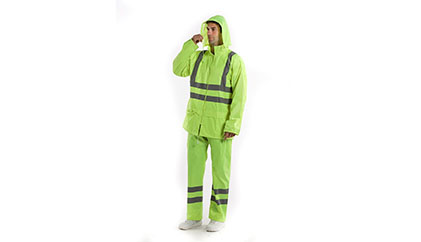
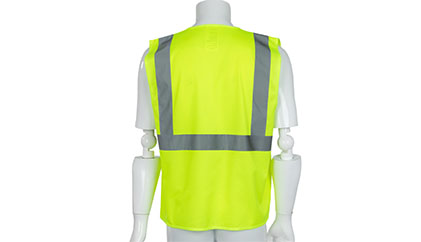
A strong reflective safety vest gives sight from all sides. This calls for upright lines over the shoulders and cross bands at the middle. The “H-pattern” or “X-pattern” is key. It makes sure that if someone bends or stretches, traffic still sees them. At Chenyuan, we make over 4 million items each year. Every piece aims to build this full-circle safe area. It’s extra important for risky jobs like road control.
Fabric Durability in Industrial Environments
A build site wears out outfits fast. Things rub against stone, steel, and tools all day. A high visibility vest needs tough cloth that fights rips. For instance, Oxford cloth or thick PVC holds up for months of use, not just weeks. This strength is why many pick work-level items. They handle the rub and pull of a full site without breaking at joins.
Why a Custom Safety Vest is Better for Large-Scale Operations
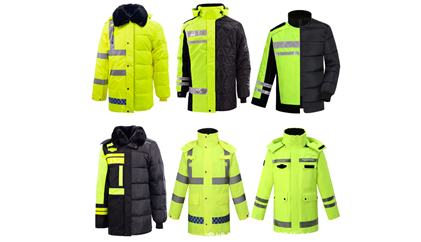
Each field has its own wants. A storage worker may need a vest with lots of spots for tools. A road guide might seek a breathable reflective vest with an added weather shield. Here, a custom safety vest fits best. Tailoring isn’t only about a firm mark. It’s shaping the outfit’s use for the exact role.
Firms that pick custom items often note better spirit in the group and wider name knowledge. When staff look neat and matched, it shows well to customers and others. Also, special adds like radio holders, badge clips, or even puff layers for warmth can join in. They fix certain problems on site.
The Advantages of OEM and ODM Services
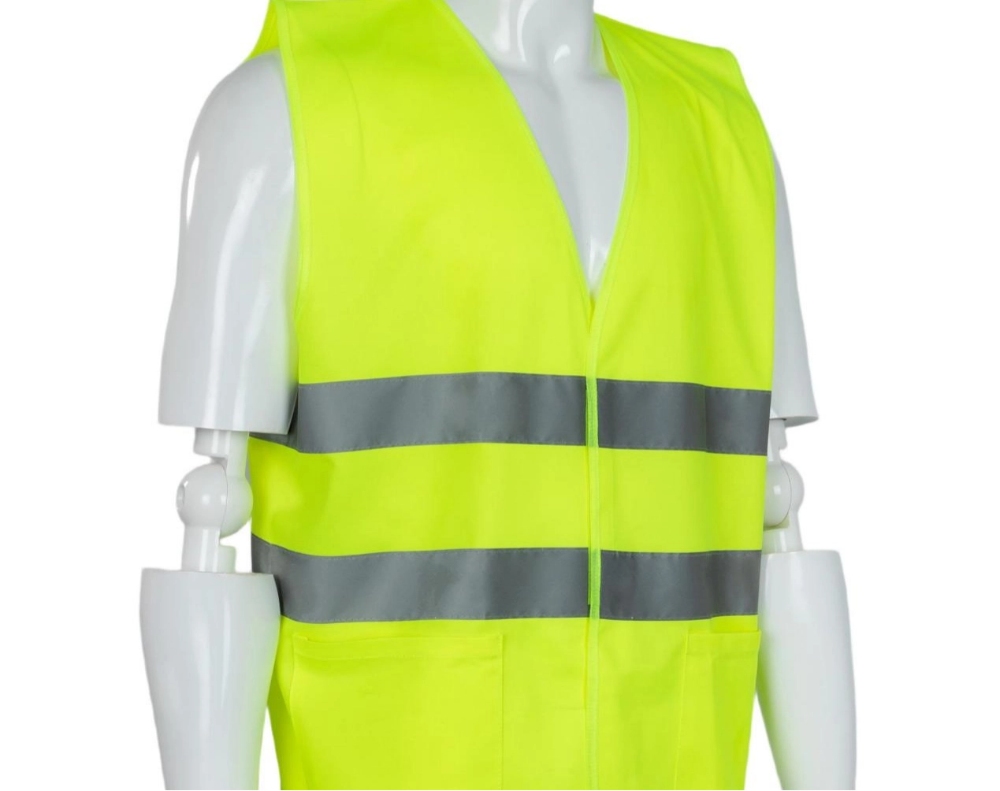
For groups wanting their own safety line, teaming with a plant that does OEM (Original Equipment Manufacturer) is vital. With a small order of 50, even tiny firms can get a custom safety vest in their hues and marks. If you have a fresh plan for safety clothes, our design group and pattern makers can use a “TechPack” and make a real sample in a week. This turns your idea into fact.
Scaling Up with High-Volume Production
Running a big country project means you need a source that stays stocked. Chenyuan’s spot spans almost 10,000 square meters. It handles over 300,000 water-block pieces each month. This size lets us give a steady flow of custom safety vests or usual items, even in busy times. Your team stays covered always.
Maintenance and Longevity: Getting the Most Out of Your Investment
People often ask how to stretch a waterproof safety vest further. Bright gear loses power if the shiny part scratches or the cloth dirties up too much. Right care keeps the safe side working.
Wrong washing can peel off the water block or dull the bright lines on a high visibility vest. Always check the care tags on the item. Most work vests go best in cold water and dry in the air. Skip strong cleaners or softeners. Those can harm the PVC or polyester parts that give wind and water guard.
Regular Inspection: Check for tears in the windproof safety vest fabric every week.
Clean the Tape: Wipe reflective stripes with a damp cloth to remove mud or grease.
Storage: Keep the reflective safety vest in a cool, dry place away from direct sunlight when not in use.
Replacement: If the neon color has faded significantly, it is time for a new one.
Conclusion
Working outdoors requires more than just grit; it requires the right technology to stay safe and dry. From the early days in 1992, Chenyuan has focused on one thing: mastering the “waterproof legend.” Whether you need a high-performance waterproof safety vest to keep your team dry during a storm or a custom safety vest that features your company’s unique branding, the quality of the material is what matters most. Contact us now to see how our professional team can help you design and produce the perfect safety gear for your specific industry.
FAQs
Q: What makes a waterproof safety vest different from a standard one?
A: A waterproof safety vest uses coated fabrics like PVC to block all moisture, keeping the wearer completely dry.
Q: Can I put my company logo on a custom safety vest?
A: Yes. We support various logo technologies to ensure your custom safety vest looks professional and stays within budget.
Q: How do I know if my high visibility vest meets safety standards?
A: Look for ISO 9001 certification and check that the high visibility vest provides 360-degree reflective coverage.
 E-mail
 Whatsapp
 Leave Message
 top
top