

What Is the Best Waterproof Workwear for Outdoor Workers?
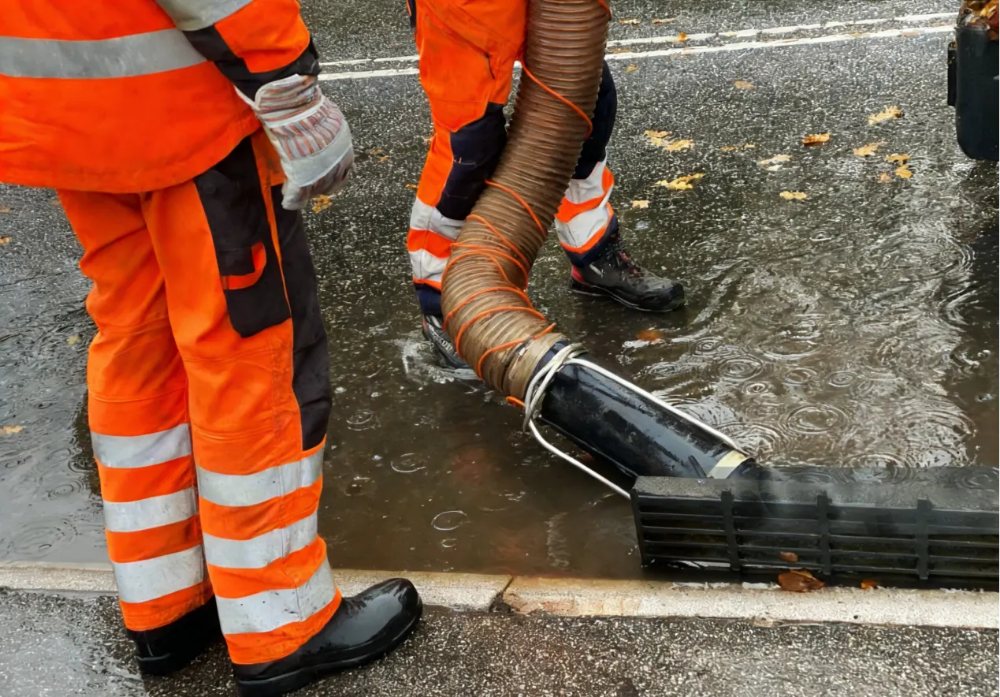
The sky becomes gloomy gray, the breeze grows stronger, and all at once, a gentle rain shifts into a heavy downpour. For most folks, this means heading indoors and getting a warm drink. However, for people working outside in fields like mining, building, or shipping, the job keeps going even when the weather gets rough. In such times, the clothing you wear is the main barrier between a good workday and a tough, possibly risky one.
We notice severe weather happening more frequently these days, which makes the demand for dependable clothing even greater. It goes beyond just keeping dry; it involves staying secure, noticeable, and at ease enough to work without trouble. Picking the correct items can feel overwhelming with all the different materials and standards available. Whether you are equipping a group of fifty or simply seeking your own safety, understanding what sets apart a simple rain jacket from real work-grade equipment is vital.
Why Standard Raincoats Fail in Industrial Settings
Most people believe a raincoat is merely a plastic cover with arms, but that view alters fast when you operate near large machines or harmful substances. Purchasing inexpensive, common items from a store may cut costs at first, yet it often leads to higher expenses later due to constant fixes and unhappy staff.
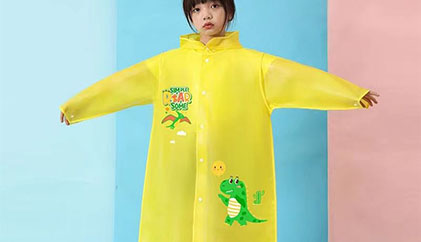
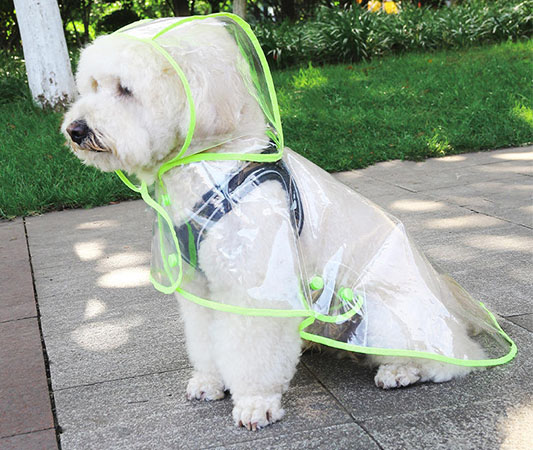
In work settings, the requirements for clothing are quite tough. A basic poncho tears right away if it catches on a metal rod. It can melt from a single spark during welding. To really guard your group, you should consider industrial safety rain gear made especially for the dangers at the site, not just for casual outings like walking a pet.
Durability Against Physical Wear and Tear
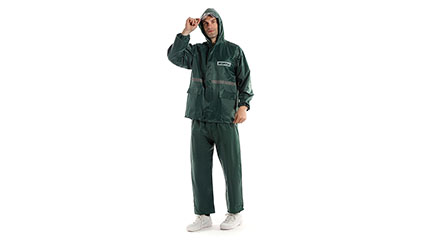
At a work location, your clothing faces a lot of abuse. Scratches on rough surfaces, rubbing from hauling wood, and the ongoing action of scaling ladders will ruin fragile materials quickly. This is where heavy-duty rain suits become useful. These are not only waterproof; they resist scratches too. Makers frequently apply stronger seams and denser layers, such as 0.30mm PVC or special Oxford cloth, to make sure the outfit lasts. If your crew handles tearing down structures or cutting trees, slim plastic coverings just will not work. You require fabrics that handle rough treatment without ripping, so the waterproof layer stays strong through many months of regular use.
Chemical and Environmental Resistance
Rain is not the sole fluid that staff meet. In places like oil areas, factories with chemicals, or even fixing roads, workers could get hit by drops of oils, fats, or weak acids. Regular rain clothing breaks down swiftly from these items, turning stiff and splitting. Professional waterproof workwear is often treated to resist these chemicals. Additionally, for those working near electrical hazards or flammable gases, standard synthetic materials can generate static electricity, which is a major spark risk. This is why investing in certified anti-static rainwear is non-negotiable for specific hazardous sectors.
Key Features to Look for in Safety Rain Gear
After you choose to spend on top-level items, you must learn the exact details to check. A tag saying “waterproof” alone is not sufficient. You have to examine the fabrics, the building techniques, and the extra safety parts that change a basic outfit into a key tool for survival.
There are three primary aspects to think about: the fabric methods, the factor of being seen, and the particular guards against warmth and flames. Matching these three parts well ensures the clothing you pick fits the exact threats in your work spot perfectly.
Material Selection: PVC vs. Polyester vs. PU
The core of any rain gear is the material. Each has its pros and cons depending on the task.
-
PVC (Polyvinyl Chloride): This is the heavy lifter. It is incredibly durable, 100% waterproof, and easy to clean. It’s perfect for low-movement jobs where heavy rain is constant.
-
Polyester with PU Coating: This offers a lighter weight alternative. It is flexible and doesn’t stiffen up as much in the cold. It’s great for active roles where you need to move fast.
-
Oxford Cloth: Often used in higher-end heavy-duty rain suits, this provides a tough exterior texture that resists tearing while maintaining a decent level of comfort.
The Importance of High Visibility
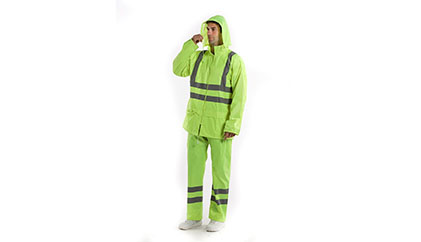
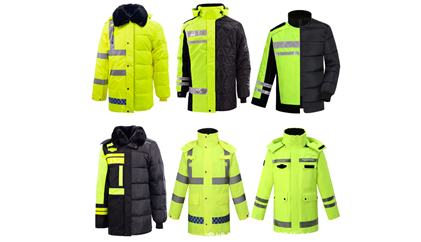
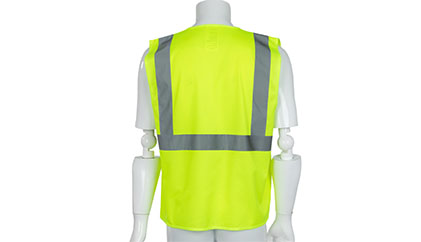
During dim conditions, like a wet evening shift or a misty dawn, getting noticed equals staying safe. Deep blue or black rain clothing spells trouble on a street edge or busy build area. High visibility rain gear typically appears in bright yellow or orange, fitted with tape that reflects light. This tape sends light back to where it came from, such as vehicle lights, causing the worker to shine in the shadows. For example, Chenyuan’s High Visibility Yellow Workwear Set combines intense visibility with robust protection, ensuring that machinery operators can spot ground workers from a safe distance.
Protection Against Fire and Static
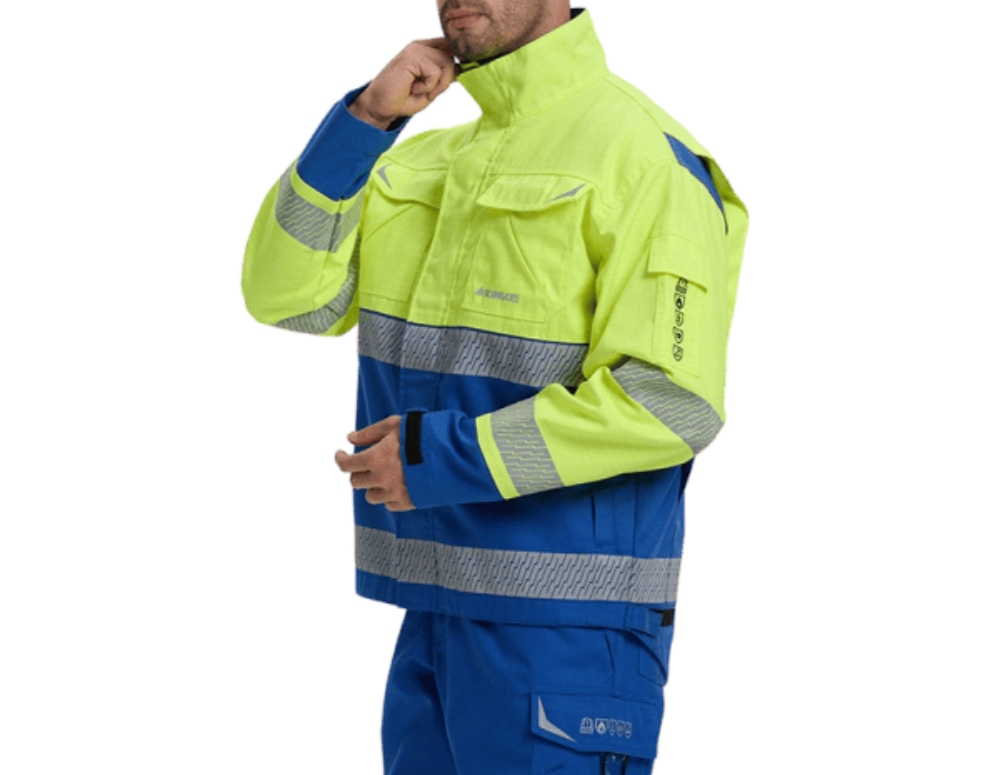
In certain fields like oil and gas, mining, or fixing electric lines, water ranks low on worries. A quick blaze or electric flash can strike in seconds. Using regular plastic or fabrics that melt in these cases can make harms much worse. A flame-retardant raincoat gets treated to put itself out once the fire source goes away, stopping the clothing from sticking to skin as it melts. Paired with anti-static rainwear traits, this equipment stops static buildup that might start a blast in risky air.
Balancing Comfort with Protection
We have discussed safety quite a bit, but if the clothing feels bad, workers will not use it right. They could leave the coat open or remove the cover for better sight, which weakens their guard. Ease is not extra; it is needed for following rules.
Breathability and Ventilation
Complete waterproofing often means zero breathability, trapping body heat. High-quality waterproof workwear solves this with vented backs or underarm eyelets (often called “pit zips”). Some modern fabrics include tiny holes that block water drops from entering but allow sweat vapor to escape. For extended work times with hard effort, these air features stop the sticky sensation that bothers staff.
Ergonomic Fit and Adjustability
One size does not fit all. If pants are too long, they are a tripping hazard. If sleeves are too short, wrists get wet. Look for gear with:
-
Adjustable cuffs: Velcro or snap buttons to seal out wind and rain.
-
Elastic waists: For comfort over layers of clothing.
-
Detachable hoods: To accommodate hard hats. A proper fit ensures the industrial safety rain gear moves with the worker, not against them.
Comparison of Gear Types
| Feature | Basic Retail Raincoat | Industrial Safety Gear |
| Material Strength | Thin, easily tears (0.10mm) |
Heavy-duty, rip-stop (0.18mm – 0.35mm+) |
| Seams | Stitched (leaks over time) |
Heat-sealed or high-frequency welded |
| Visibility | Low (fashion colors) |
High (Fluorescent + Reflective Tape) |
| Safety Ratings | None | Flame Retardant, Anti-Static options |
| Best Use | Commuting, Light Walking | Construction, Mining, Roadwork |
The Value of Customization for Businesses
Besides safety and ease, work clothing shows your firm’s look. When your group shows up at a place in mixed, grimy items, it gives a poor signal. On the other hand, a matched team in marked, expert clothing appears organized and trustworthy.
This is where dealing straight with a maker brings gains. You do not just grab from shelves; you create a business image. Custom changes let you add safety rules, names, and marks right on the items, turning a guard suit into a promotion tool.
Branding and Identity
Putting your firm mark on high visibility rain gear does two jobs: advertising and safety. It spots allowed people at secure places right away. As a focused custom workwear manufacturer, Chenyuan backs different mark methods. Whether you want a basic print or a lasting heat shift that stays in rain, having the “artwork in AI/PSD file” lets makers show the plan just where you like it—on the front, back, or arm.
Tailored Designs for Specific Needs (OEM/ODM)
At times, the usual list item falls short. Perhaps you require an added spot for a device, or a certain shade set to fit your brand. OEM (Original Equipment Manufacturer) and ODM (Original Design Manufacturer) options allow design tweaks. With a skilled group of pattern creators, you can change fabric depth, switch fastener kinds, or boost knee areas.
Maintenance: Extending the Life of Your Gear
Buying quality gear is an investment. To gain the top return on that spend (ROI), you must care for it. Even the strongest flame-retardant raincoat will break down if left damp and bunched in a vehicle daily.
Right care not only cuts costs on new ones but keeps safety parts working. Soil and oil can hide reflecting strips, turning a bright jacket dull. Left chemicals on cloth can wear down the waterproof layer slowly.
-
Cleaning: Always look at wash tags. Mostly, clean PVC with gentle soap and water. Skip rough machine cleans for some layers since it can remove the waterproof part.
-
Drying: Let it dry by hanging in a spot with good air. Never use a hot dryer for rain items; it will cause melting or split the waterproof cover.
-
Storage: Keep in a cool, dry area. Folding holds it neat, but hanging prevents lasting folds that turn into weak spots in the cloth later.
-
Inspection: Prior to each work time, check for rips or loose strips. Hurt anti-static rainwear might lose static guard and needs quick swap.
Conclusion
Choosing the proper waterproof workwear is a key duty that affects the well-being, guard, and spirit of your staff. It means seeing past the cost and grasping the exact risks at your site—whether that needs high visibility rain gear for street teams or a flame-retardant raincoat for power workers. By stressing strong fabrics, checked safety traits, and a fitting ease, you make certain your group can do their top work, no matter the weather ahead.
When sourcing this important equipment, skill counts. Chenyuan Raingear has led in this field since 1992. From our ISO9001 certified quality control to our skill in making 150,000 raincoats each month, we serve as the reliable ally for clients worldwide in Europe, America, and more. Contact us today, if you seek a custom OEM answer or steady supply; our group stands ready to aid you through any tough weather.
FAQs
Q: What is the difference between water-resistant and waterproof workwear?
A: Water-resistant gear handles light mist but will eventually leak. Waterproof gear prevents water penetration entirely, even during heavy downpours.
Q: Can I customize heavy-duty rain suits with my company logo?
A: Yes, as a custom workwear manufacturer, we can print logos on orders. Our MOQ for OEM support is typically ≥50 pieces.
Q: How do I know if I need flame-retardant or anti-static rainwear?
A: If your worksite involves welding, electrical hazards, or flammable gases (like oil/gas industries), these specialized protections are mandatory for safety.
 E-mail
 Whatsapp
 Leave Message
 top
top