


Why Choose a Rain Poncho Over a Jacket for Hiking?
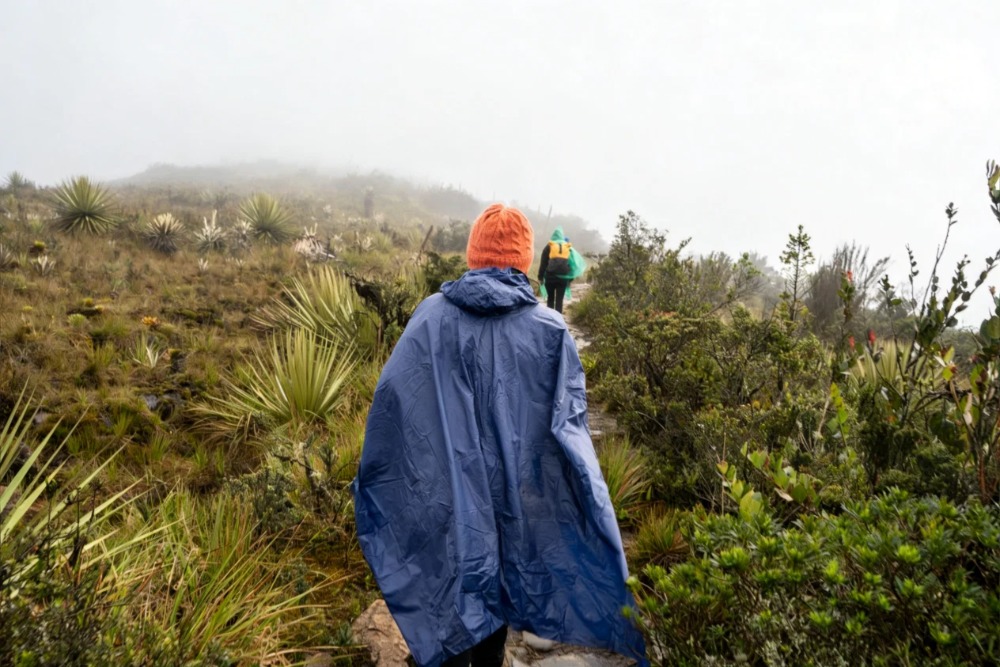
Imagine this scene. You have been hiking for three hours. You are traveling along a ridge. The wind picks up there. Gray clouds have lingered all morning. At last, they break open. They pour down a steady rain of cool water. You rush to pull out your pricey, high-end rain jacket from your pack. But when you finally wrestle your arms into the sleeves and fasten the zipper, your shirt is soaked. Then, twenty minutes pass. You are heading up a slope. You realize something hard. Your own sweat inside the jacket is making you just as wet as the rain outside. It feels like the typical “boil-in-a-bag” trap. This annoying situation often ruins outdoor outings.
That everyday issue explains why skilled long-distance trekkers and nature guides are turning more often to a basic piece: the rain poncho. If you are planning for the Appalachian Trail, or maybe just a couple of days in the woods, grasping how to remain dry is key. This full guide covers why a waterproof rain poncho might turn out to be the smartest, most handy part of your gear. Plus, it shows how this option beats ordinary shells in everyday use.
The Battle of Breathability: Why Mechanical Venting Wins
In talks about keeping dry, people sometimes miss that dampness arrives from two places: above from the sky, and from inside our bodies. Hiking takes real effort. Your body makes a bunch of warmth and moisture that has to escape. Common rain jackets use little openings in the material to let air through, so they “breathe.” But this way often fails if the air feels muggy or if the outside gets drenched. When it fails, water gathers within. That leaves you feeling damp and cool.
On the other hand, a poncho follows a whole other idea in design. It skips fancy layers that force vapor past a firm barrier. Rather, it counts on moving air. This basic change in dealing with your warmth is the top reason pros see a baggy cover as the best rain poncho for hiking in steamy or tough spots.
The Physics of Airflow and Sweat Management
A poncho functions less like a suit of armor and more like a personal, wearable tent. Because it hangs loosely over your body, it creates a large air gap between the material and your skin. As you walk, the bottom of the poncho sways, creating a bellows effect. This natural movement pumps fresh, cool air up from the bottom and pushes warm, moist air out through the neck opening or arm holes.
This continuous cycle of mechanical ventilation is far superior to the passive breathability of a jacket. In a jacket, your sweat vapor has to fight its way through layers of fabric, glue, and DWR coatings. In a poncho, it simply drifts away with the breeze. For hikers tackling steep inclines where sweat output is at its peak, this means you stay drier from the inside out. You avoid that dangerous cycle of sweating, getting wet, and then freezing when you stop moving.
Total Gear Protection: The “Humpback” Advantage
Another big weakness of the rain jacket is where it ends. A jacket guards your upper body and arms, but it leaves out your legs or your key item on the trail: your backpack. Your pack carries your sleeping bag, your spare clothes, and your food. If those become wet, your journey can turn from uneasy to risky fast.
To shield a backpack while in a jacket, you require a separate pack cover. Anyone who has tried one knows they are not perfect; water frequently drips down your neck, slides between the jacket and the pack, and wets the back area and straps.
Seamless Integration of Man and Machine
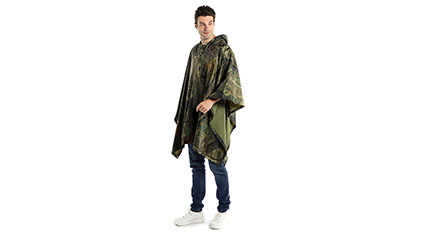
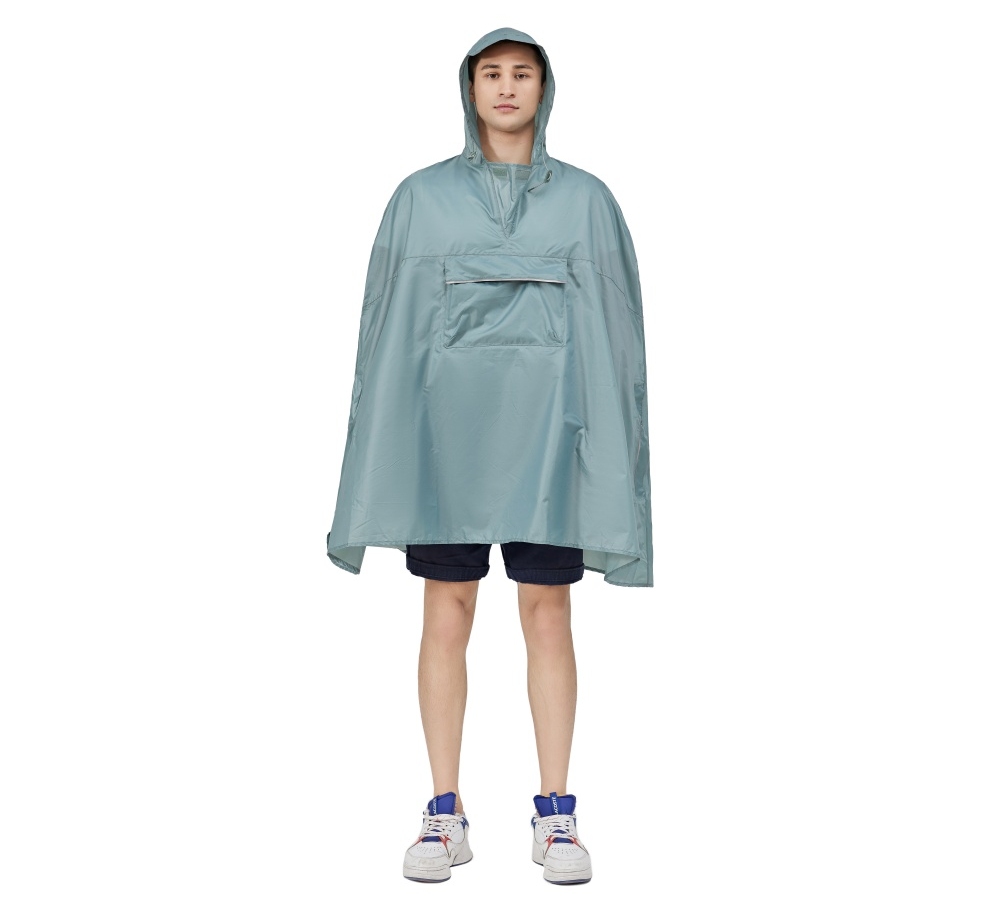
Most ponchos made for hiking have added fabric in the back, especially to fit a backpack. When you put on a poncho, it covers you and your items in one smooth layer. There are no openings for water to slip in. Your pack straps stay dry, your hip belt is easy to reach but safe, and the rain just runs off the back, avoiding your gear completely.
This “hunchback” shape may not look stylish, but in practice, it is hard to beat. It also saves time. When a quick shower starts, you do not need to remove your pack, find a cover, put the pack on again, and then wear your jacket. You simply take your poncho and toss it over everything—yourself and your load—in moments. This quickness and full protection make it a top choice for thru-hikers who must keep going no matter the weather.
Weight and Space Equation: Ultralight Philosophy
In the realm of outdoor trips, every bit of weight on your back means more effort used. The “ultralight” trend has led hikers to check every piece of gear, seeking ways to cut weight without losing safety. Standard rain items can be heavy. A strong three-layer jacket plus rain pants and a pack cover can weigh more than two pounds easily and fill a large part of your bag.
This is where the smart design of lightweight rain gear stands out. By mixing several roles into one item, a poncho lets you drop a good amount of weight. It takes the place of the jacket and the pack cover, and for many, it removes the need for rain pants altogether, since long ponchos usually reach down to the knees.
Durability Without the Bulk
Some may believe that lightness requires giving up strength. However, pick wisely, and that does not happen. Current making methods bring solid defense in a tiny form. Take top-notch choices from polyester paired with PVC covering. They achieve just the right mix. These hold up against catches on twigs. At the same time, they stay slim for easy folding.
A thoughtfully crafted packable rain poncho compresses into a small fabric pouch. It slips right into a side slot or the top of your pack. Therefore, clear skies mean you are free from lugging a rigid, heavy shell that blocks your core area. You own a neat, practical rain setup that packs away until required. This folding ease proves crucial for wanderers and trekkers. They prize smart use and aim to carry as little as feasible.
Versatility: From Hiking Trails to Bike Lanes
One sign of excellent gear is its flexibility. Can it handle more than one task? A rain jacket is only a jacket. It blocks rain from your upper part, and that is mostly it. A poncho, however, is basically a big, waterproof square sheet with a hood. This plain form opens up many uses that can save you in the wild or just help in town.
In a tough spot, a poncho is very helpful. With some string or walking sticks, it can be set up as a quick shelter, a wind blocker, or a cover to cook under. It can act as a ground mat to keep your sleeping bag off damp dirt, or a spot for lunch during a break. But its flexibility goes beyond camp setups; it works for various ways of moving too.
The Commuter’s Secret Weapon
While we are focusing on hiking, it is impossible to ignore the crossover appeal for cyclists. Biking in the rain with a jacket is notoriously difficult; your legs get soaked, and water pools in your lap. A dedicated cycling rain poncho addresses this specifically. These ponchos are often designed with thumb loops or interior ties that allow you to drape the front of the poncho over the handlebars.
For hikers who also bike commute or engage in bike-packing, owning a piece of gear that transitions seamlessly between walking and riding is a huge financial and practical advantage. It is a single solution for multiple outdoor disciplines, reinforcing why the poncho design has stood the test of time.
Material Matters: Selecting High Quality Outdoor Rain Gear
Not all ponchos are created equal. We have all seen the cheap, disposable plastic sheets sold at stadium events. Those are essentially trash bags with armholes—flimsy, sticky, and prone to tearing after one use. The market is flooded with options, but for serious outdoor use, you generally look at a few key material compositions. Understanding these will help you make an informed decision that balances weight, waterproofness, and longevity.
Polyester, PVC, and the Manufacturing Edge
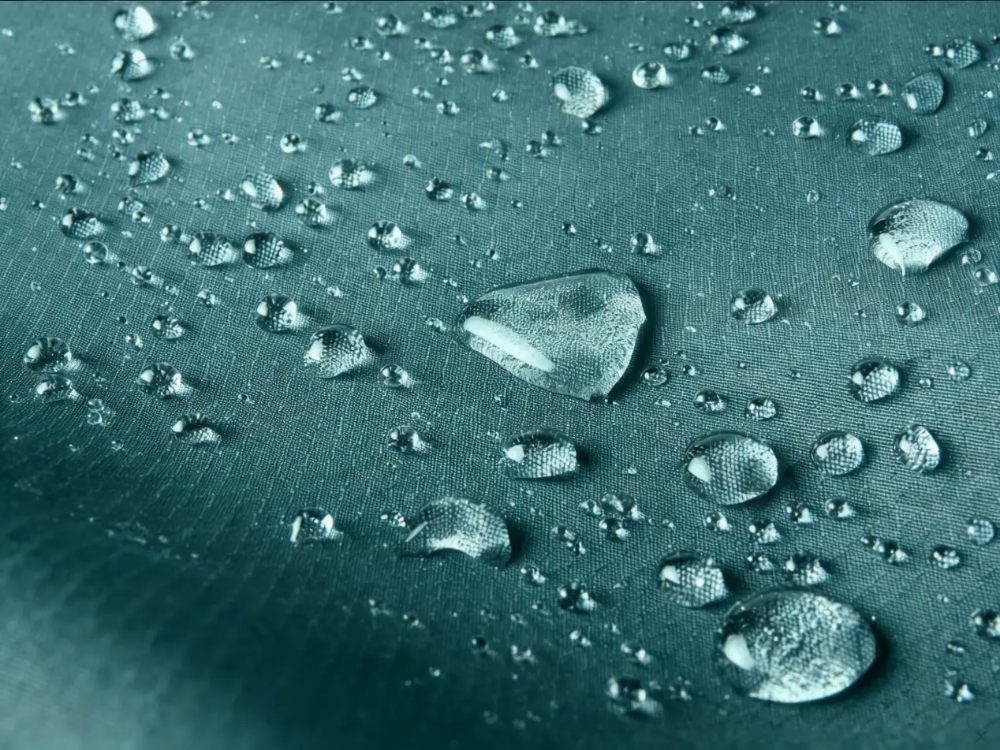
The best spot for many outdoor fans is a mix of Polyester and PVC (Polyvinyl Chloride). Polyester gives the basic strength—it is the cloth foundation that fights tearing and keeps the form. The PVC layer offers a full waterproof wall.
For instance, a normal 170T polyester fabric coated with 0.18mm of PVC provides a tough, solid guard against bad weather. This is far better than throwaway polyethylene. It has enough weight to not flap wildly in the breeze, yet it stays bendable. When buying these items, finding a trusted rain poncho manufacturer is important. You want to make sure the joins are sealed or welded right. Skilled makers, like those in busy factory areas, use high-frequency welding or taped joins to stop water from leaking through the stitches—a usual weak spot in poor gear. Picking a poncho built with these expert rules means your items will last not just one rain, but years of trips.
Conclusion
Picking a rain poncho versus a jacket involves more than appearance. It means selecting the proper instrument for the work. In energy-heavy tasks such as hiking, where air flow rules, or in cases needing quick backpack dryness, the poncho frequently proves the better-built choice. It delivers improved air circulation, wide shielding, and rare flexibility. All this comes while usually weighing less and folding tighter than a whole rain set.
At Chenyuan, we have devoted over three decades to honing this mix. Set up in 1992 in Yiwu, the “World Capital of Small Commodities,” our plant has expanded to a 10,000-square-meter site with 12 full production lines. Backed by a long record of crafting “waterproof legends,” our group centers on sturdy stuff like Polyester and PVC. We form high quality outdoor rain gear that aligns with world benchmarks. If you seek a strong, long-lasting hiking poncho or a skilled cycling version, going with Chenyuan offers the promise of 30 years in top making skills. Should you wish to know more about our products, kindly contact us.
FAQs
Q: Is a waterproof rain poncho better than a jacket for heavy storms?
A: Yes, because it covers your backpack and thighs, preventing water from running down your back or soaking your pants.
Q: Can I use a hiking poncho as a cycling rain poncho?
A: You can, but a specific bike poncho is safer as it secures to handlebars to prevent flapping in the wind.
Q: What is the best material for a durable, packable rain poncho?
A: Polyester with a PVC coating is ideal. It offers a great balance of tear resistance, waterproofing, and packability.
 E-mail
 Whatsapp
 Leave Message
 top
top