

Tabela de Conteúdos
Notícias relacionadas
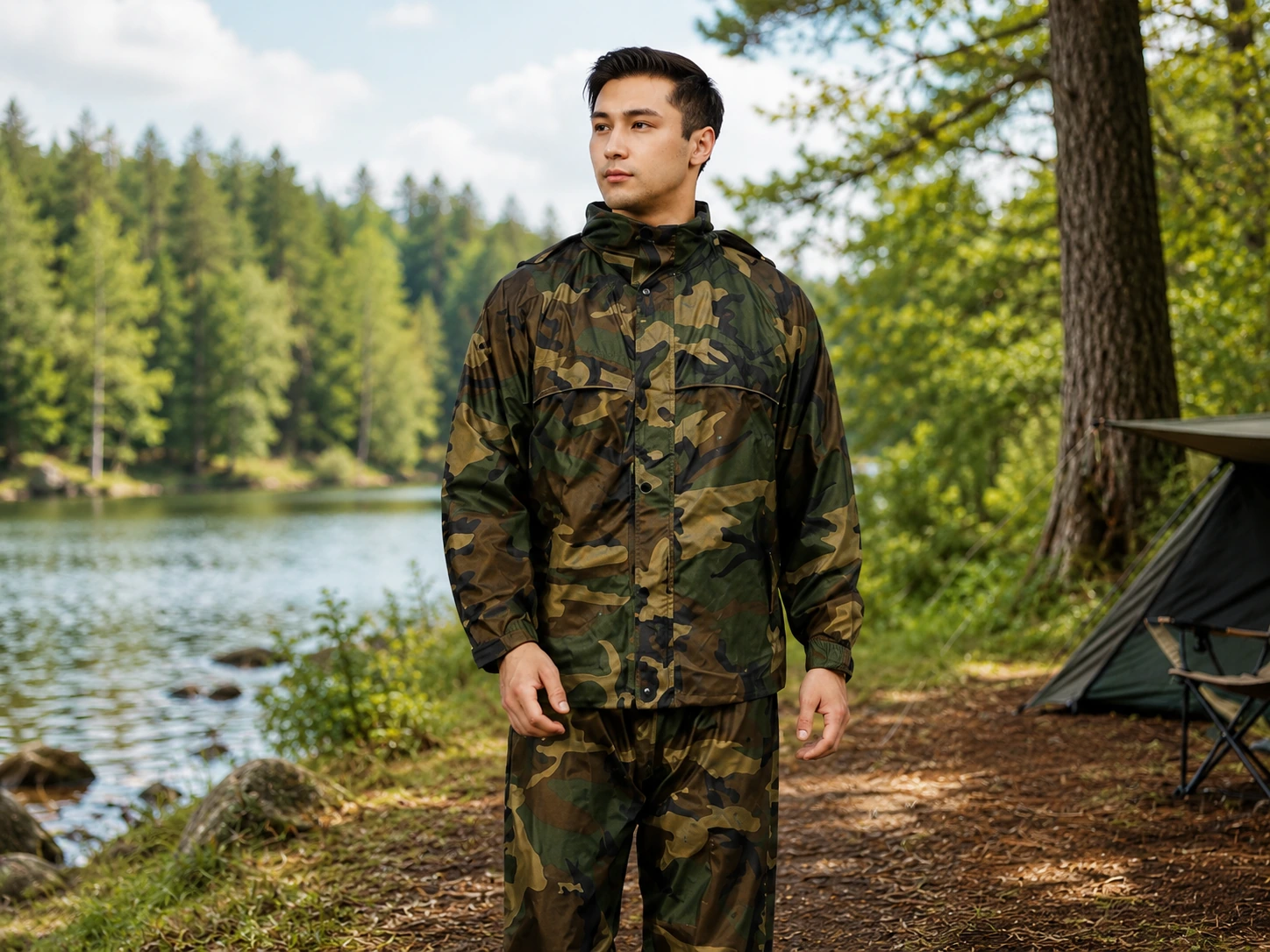
Roupa de chuva vs. Jaqueta de chuva: tudo o que um pescador precisa saber.
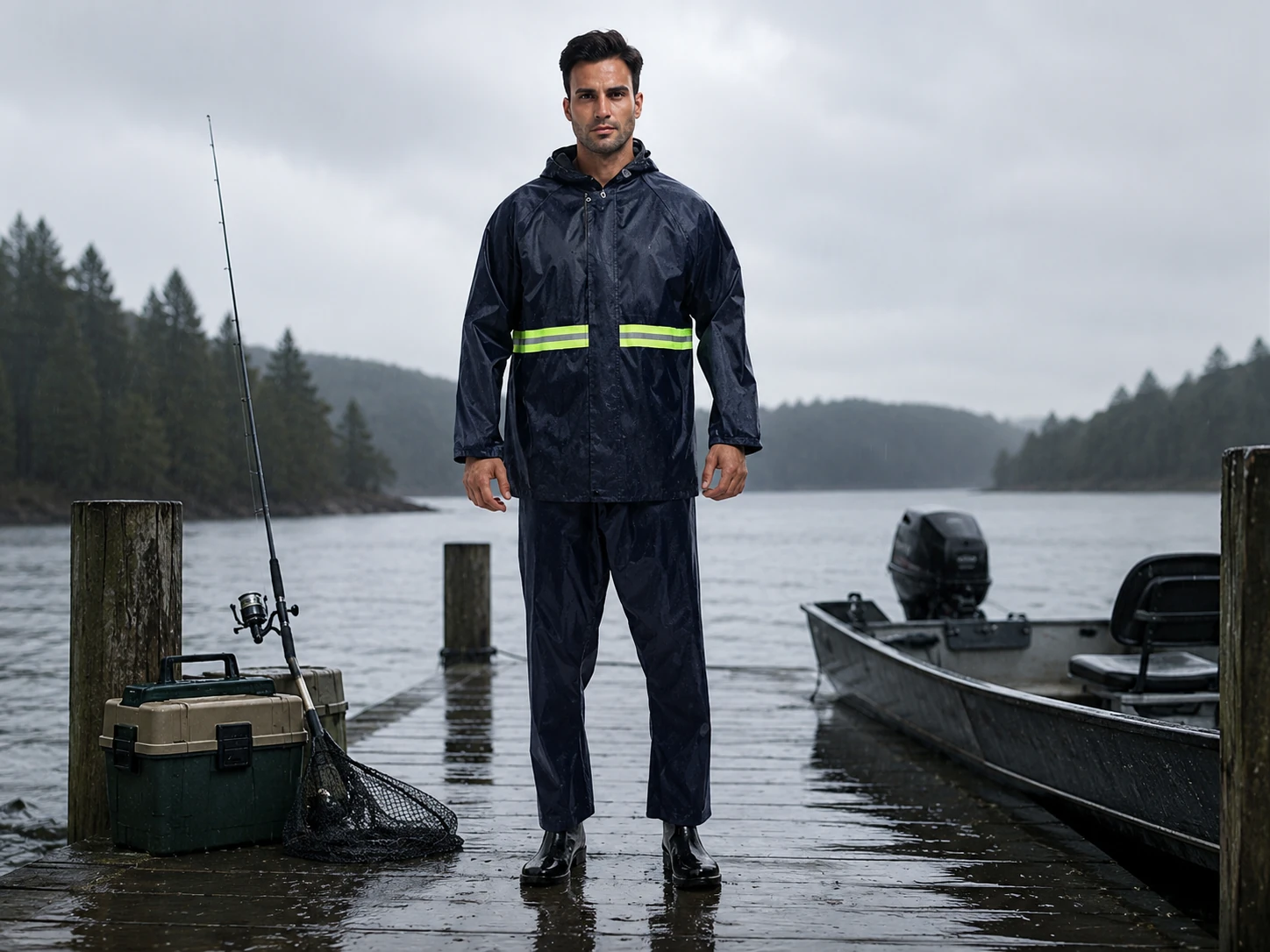
Uma jaqueta impermeável pode ser a solução ideal para uma pescaria curta em clima quente, mas aumenta as chances de a água atingir a parte inferior do corpo. Isso é importante quando o pescador está sentado em um barco molhado, debruçado sobre a borda, ajoelhado na margem ou permanecendo ao ar livre após uma chuva forte. A melhor escolha depende da exposição à água, dos movimentos e da duração da pescaria, e não apenas da palavra "impermeável".
Para muitas viagens de um dia inteiro, um Terno de pesca Oxford A comparação fica mais fácil porque a jaqueta e a calça são projetadas como um único sistema de cobertura. A Chenyuan se concentra em capas de chuva, conjuntos impermeáveis e ponchos de chuva. Ela integra design, desenvolvimento, produção e vendas independentes. Essa combinação permite uma decisão prática: escolha o modelo que melhor se adapta à água e, em seguida, use os detalhes do produto e as amostras para verificar se ele funcionará para o seu estilo de pesca.
Resposta rápida: combine a roupa de chuva com a exposição ao sol.
Escolha uma jaqueta impermeável para sessões curtas e dinâmicas.
Uma jaqueta costuma ser suficiente quando a previsão é de uma chuva passageira, o ar está quente e a pescaria envolve caminhadas frequentes ou arremessos da margem. É mais fácil de vestir sobre uma camada base, ocupa menos espaço na mochila e deixa as pernas livres quando o contato da parte inferior do corpo com superfícies molhadas é improvável. capa de chuva para pesca Também é útil como camada de emergência para pescadores que passam a maior parte do dia em tempo seco. O limite é atingido quando a chuva, os respingos ou o assento molhado chegam à cintura e às calças.
Escolha um conjunto impermeável completo para chuvas longas ou com vento forte.
Um fato de banho completo torna-se mais útil quando a chuva é persistente, o vento muda de direção ou o barco cria respingos por baixo. As calças protegem as partes que um casaco não cobre, especialmente quando o utilizador se senta, agacha-se ou estende o braço para a frente. Um fato de banho bem combinado roupa de chuva para pesca Não se trata simplesmente de uma jaqueta mais pesada. É uma forma de reduzir as aberturas expostas na cintura, no assento, nos punhos e nas barras das calças, mantendo espaço suficiente para usar outras camadas de roupa e para se movimentar.
Por que a pesca expõe as lacunas no vestuário de chuva
A água atinge primeiro a parte inferior do corpo.
A pesca cria pontos de contato que uma caminhada normal não cria. Um assento molhado pressiona a água contra a parte de trás das calças. Os respingos podem passar pela lateral de um barco e se acumular no colo. Ajoelhar-se na margem ou inclinar-se sobre uma caixa de pesca altera a posição da bainha e do cós. Esses movimentos podem transformar um torso seco em uma parte inferior do corpo úmida muito antes que o tecido externo pareça saturado. Ao escolher uma roupa de chuva de pescadorInspecione a altura do gancho da calça, a sobreposição na cintura, a abertura da perna e a cobertura no assento, em vez de julgar apenas a jaqueta.
Fechamentos para teste de pulverização e movimento
O tecido impermeável não compensa aberturas que se deslocam. Verifique se o capuz permanece alinhado quando a cabeça gira, se os punhos ficam justos o suficiente para arremessar a linha e se o fecho frontal ainda se sobrepõe quando o usuário se inclina. Nas calças, observe as aberturas da cintura e dos tornozelos. O teste útil é não ficar parado em uma foto do produto. Levante os dois braços, sente-se, estenda os braços em direção à água e gire a parte superior do corpo como se estivesse manuseando uma vara de pesca.
O suor pode dar a sensação de vazamento.
Uma camada interna úmida nem sempre significa que a chuva a atravessou. O clima quente, o isolamento térmico e o uso repetido podem gerar umidade dentro de qualquer camada externa. Compare o espaço disponível na peça para uma camada base, a facilidade para abri-la ou ajustá-la e a liberdade de movimento necessária durante a viagem. Solicite informações específicas sobre testes de impermeabilidade ou respirabilidade do produto quando necessário; não presuma que o nome do material por si só garanta um resultado de desempenho universal.
Os detalhes que determinam o conforto na água
Cobertura e construção à prova d'água
Comece pelas partes que protegem o corpo quando a postura muda: comprimento da jaqueta, cobertura da calça, construção das costuras, fechamento frontal, capuz, punhos e aberturas inferiores. Se a roupa for para uso em barco, compare-a tanto sentado quanto em pé. Se o fornecedor não divulgar a classificação de impermeabilidade, pergunte quais informações de teste específicas do produto estão disponíveis e guarde essa resposta junto com a amostra aprovada. Isso oferece ao comprador algo mais útil do que uma afirmação genérica de que todas as roupas de chuva têm o mesmo desempenho.
Respirabilidade, camadas e mobilidade
O ajuste pode determinar o conforto antes mesmo do material. Uma jaqueta muito justa nos ombros pode restringir os movimentos do arremesso, enquanto calças muito apertadas no quadril podem repuxar quando o pescador se senta. Experimente a camada base que você pretende usar por baixo e verifique o alcance dos ombros, a flexão dos cotovelos, a elevação dos joelhos e a passada. O melhor traje de chuva para pesca deve proteger a parte inferior do corpo sem que cada movimento se torne um incômodo na cintura ou nas mangas.
Capuz, bolsos e visibilidade
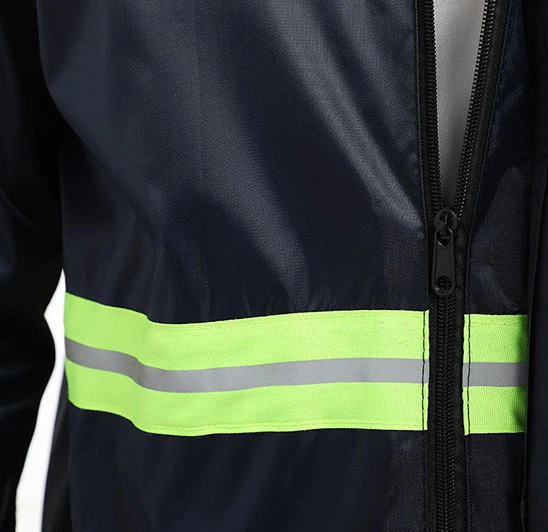
O capuz deve proteger o rosto da chuva sem bloquear a visão da ponta da vara de pesca, da margem ou do tráfego de barcos próximo. Os bolsos precisam permanecer utilizáveis quando o usuário estiver sentado, mas não devem criar pontos de pressão volumosos sob um colete salva-vidas ou mochila. Detalhes refletivos são úteis quando se tem que começar cedo, acessar a beira da estrada ou enfrentar condições de baixa luminosidade. A cor, o acabamento e a posição dos bolsos devem ser verificados na peça de teste nas condições em que ela será realmente usada.
Verificação de produtos e fornecedores
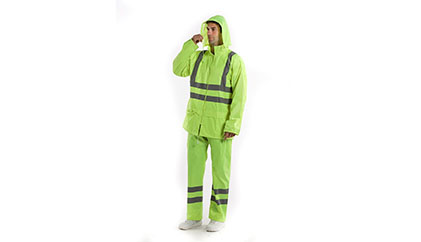
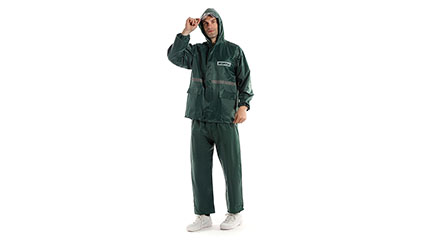
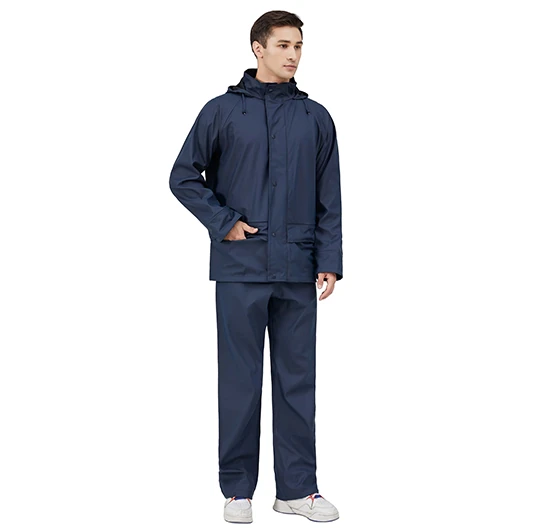
O modelo Oxford da Chenyuan para pesca é apresentado como uma capa de chuva impermeável para adultos, feita em tecido Oxford, ideal para ciclismo, camping e pesca. O conjunto Oxford para pesca utiliza um formato de jaqueta e calça, com capuz e detalhes refletivos integrados ao design do produto. Essa combinação resolve o principal problema de exposição: o usuário obtém uma camada superior e inferior coordenada para proteção contra vento, respingos e mudanças de postura, em vez de depender da barra da jaqueta para se manter no lugar. Além disso, fornece ao avaliador pontos específicos para verificar, incluindo a posição do capuz, o comprimento da calça, o posicionamento dos detalhes refletivos e se as duas peças ainda permitem movimentos completos de arremesso.
A perspectiva do fornecedor é crucial quando a peça de roupa está sendo desenvolvida para uma coleção, programa de uniformes ou pedido de marca. A Chenyuan pode desenvolver amostras a partir de uma ficha técnica e da arte final. Seu escopo de personalização inclui tecido, cor, acessórios, tamanho, logotipo, etiquetas e embalagem. Essas capacidades não substituem um teste de uso, mas facilitam a transformação de um briefing inicial em uma amostra com decisões visíveis: formato de capuz escolhido, cor específica, posicionamento de elementos refletivos acordado, a gama de tamanhos adequada e embalagem que corresponda ao canal de distribuição pretendido.
Como adaptar o formato ao seu estilo de pesca
Pesca de barco e robalo
Pescadores que utilizam embarcações devem dar especial atenção à cobertura na posição sentada, à resistência ao vento, à proteção da parte inferior do corpo e à liberdade de manuseio do equipamento. É nesse ponto que o modelo Oxford de duas peças se destaca. Ao comparar roupas de chuva para pesca de robaloIsso inclui o tempo gasto sentado, os respingos laterais e a rapidez com que o usuário precisa se mover entre as posições de arremesso. A melhor roupa de chuva para pesca é aquela que impede que essas transições repetidas exponham a cintura ou os joelhos. É por isso que uma roupa de chuva para pesca deve ser avaliada em movimento, e não apenas em uma página de produto.
Pesca na margem, caminhadas na água e acampamento
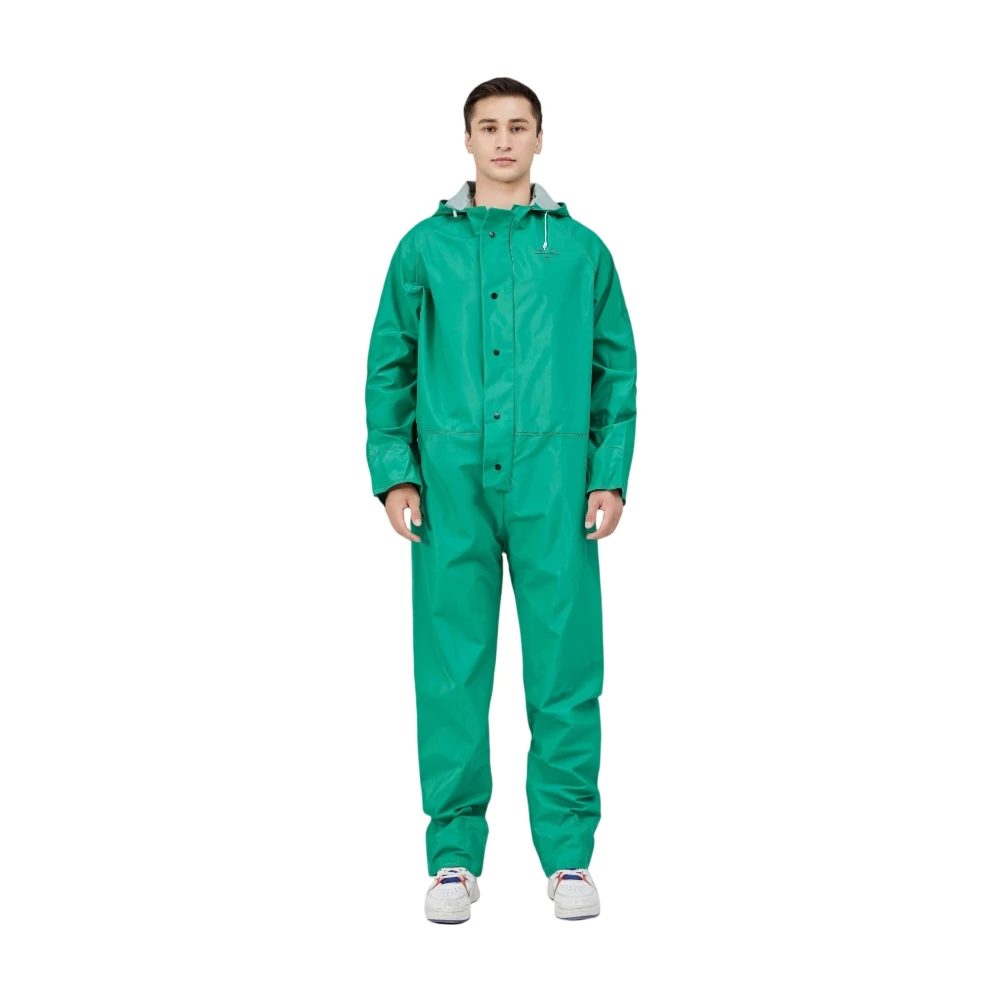
Pescadores de margem que caminham entre os pontos de pesca podem preferir uma jaqueta quando a chuva é leve e a parte inferior do corpo fica longe da vegetação molhada. Para períodos mais longos de exposição, compare essa jaqueta com uma Casaco de chuva com capuz que adiciona utilidade ao capô e ao bolso, depois compare a cobertura da lacuna com um Macacão de chuva Quando a chuva persiste, um modelo de peça única pode reduzir a exposição da cintura, enquanto uma jaqueta separada costuma ser mais fácil de remover quando o tempo melhora.
Clima frio e viagens de um dia inteiro
Para climas frios, deixe espaço para as camadas de roupa que serão efetivamente usadas e, em seguida, verifique novamente o capuz, os punhos, o fecho e as calças sobre essas camadas. Uma jaqueta corta-vento curta de emergência pode ser perfeita para uma previsão de tempo quente, mas frustrante quando a viagem dura o dia todo. Conjunto de duas peças em PU Outro formato a ser comparado quando um programa precisa de uma opção coordenada de capa de chuva de duas peças e suporte para logotipo personalizado. Para um traje de chuva de pescador usado em clima frio, a escolha certa ainda depende do ajuste aprovado e da exposição que a peça deve suportar.
Opções de produtos que se adequam à decisão
Uma combinação adequada de produtos permite que cada modelo tenha uma função específica. Comece com o traje de pesca Oxford quando a principal preocupação for cobertura total, proteção contra vento e respingos. Compare com o casaco com capuz quando a sessão for mais curta e o acesso aos bolsos for importante. Considere um macacão quando reduzir o espaço na cintura for mais importante do que a facilidade para removê-lo. Analise o gama mais ampla de roupas de chuva Quando os requisitos de tecido, cor, logotipo, etiqueta ou embalagem alteram o briefing. Como a Chenyuan trabalha com capas de chuva, macacões de chuva e ponchos de chuva, uma marca pode comparar formatos dentro de uma linha focada em roupas de chuva, em vez de forçar todos os usos para pesca em um único modelo.
Conclusão
Escolha uma jaqueta impermeável quando a chuva for curta, o clima estiver quente e a mobilidade ou a facilidade de transporte forem mais importantes. Escolha um conjunto impermeável completo quando o vento, os respingos, os assentos molhados, a necessidade de se ajoelhar ou a duração da viagem criarem mais oportunidades para a água atingir a parte inferior do corpo. Para pesca em barco e pesca de robalo, o conjunto Oxford de jaqueta e calça é o ponto de partida mais claro para uma cobertura completa, pois oferece uma estrutura real de produto para comparação.
O foco da Chenyuan em roupas de chuva e sua capacidade integrada de design, desenvolvimento, produção e vendas também oferecem às marcas um próximo passo prático após a escolha de um formato. Roupa de chuva Chenyuan Para comparar a gama de produtos, envie as condições de pesca, as camadas de tecido esperadas, o tecido preferido, a localização do logotipo, a gama de tamanhos e as informações sobre a embalagem. Contato Chenyuan Uma amostra verificada nas condições reais de uso, desde a posição sentada até o lançamento e o contato com a água, é mais útil do que um rótulo genérico de impermeabilidade.
FAQ
P1: Devo comprar uma jaqueta impermeável ou um conjunto completo de chuva para pescar?
A1: Escolha uma jaqueta para sessões curtas e leves, quando a parte inferior do corpo permanece praticamente seca. Escolha um traje completo para chuva persistente, respingos de barco, assentos molhados, vento forte ou viagens longas, onde calças e cobertura da cintura são importantes.
Q2: O que devo procurar na melhor roupa de chuva para pesca?
A2: Verifique a cobertura da jaqueta e da calça, os fechos, a posição do capuz, os punhos, o espaço para camadas de roupa, a mobilidade sentado, os bolsos, os detalhes de visibilidade e a impermeabilidade específica do produto.
P3: Uma jaqueta impermeável para pesca é suficiente para pescar robalo?
A3: Pode ser suficiente para uma breve sessão de pesca na margem com chuva leve. Para respingos de barco ou viagens longas, recomenda-se considerar capas de chuva para pesca de robalo, que oferecem cobertura total e protegem a parte inferior do corpo durante arremessos e movimentos repetidos.
 E-mail
 Whatsapp
 Deixar Mensagem
 cima
cima