

Tabela de Conteúdos
Notícias relacionadas
Como escolher o equipamento de chuva ideal para motociclismo, tanto para deslocamentos diários quanto para viagens longas?
Um bom equipamento de chuva para motociclistas deve proteger o piloto da água sem dificultar os movimentos normais da pilotagem. Para deslocamentos diários e viagens mais longas em tempo chuvoso, isso geralmente significa olhar além da etiqueta do tecido e verificar a cobertura, o ajuste sobre as roupas de pilotagem, os fechos, a visibilidade e a rapidez com que o equipamento pode ser vestido quando começa a chover.
Uma capa de chuva adequada para um trajeto de dez minutos até o trabalho pode parecer bem diferente depois de duas horas de chuva constante. Quem usa transporte público geralmente quer algo que possa vestir rapidamente e guardar sem complicações. Em trajetos mais longos, pequenas folgas nos punhos, cintura, pernas ou gola se tornam mais difíceis de ignorar. Lojistas, distribuidores e compradores de marcas próprias precisam olhar além da aparência mais robusta da capa e se perguntar como ela se comporta no tipo de trajeto que seus clientes fazem.
Por que o equipamento de chuva para motociclistas precisa de mais do que apenas proteção básica contra a chuva?
Uma capa de chuva comum pode ser suficiente para uma caminhada até as lojas ou para fazer uma pequena tarefa. Em uma motocicleta, a posição do corpo é diferente: os joelhos permanecem flexionados, os braços estendem-se para a frente e o vento impulsiona a chuva em direção a qualquer abertura que encontre. A água que escorre diretamente pela capa quando o piloto está a pé pode infiltrar-se pelas mangas, cintura e aberturas das calças quando ele está sentado.
Por isso, um tecido impermeável por si só não basta. Incline-se para a frente com a jaqueta e veja se a parte de trás ainda cobre a cintura. Segure o guidão como de costume e verifique os pulsos. Dobre os joelhos e observe onde a barra da calça termina acima do calçado. Essas três verificações mostram se a proteção será suficiente quando a moto estiver em movimento.
Imagine Daniel, um entregador vestindo um macacão impermeável por cima da roupa de trabalho antes do turno da tarde. Ao lado da moto, o macacão parece servir. Mas, assim que ele se senta, as mangas se soltam dos pulsos e os joelhos apertados dificultam subir e descer da moto. O material pode até proteger da chuva, mas o macacão não está cumprindo a função para a qual foi comprado.
Para deslocamentos diários ou entregas, Coleção de capas de chuva Chenyuan Oferece modelos de duas peças e modelos refletivos que podem ser comparados em relação ao ajuste, material e uso necessários.
Um conjunto de chuva para motociclismo de duas peças é melhor para o trajeto diário?
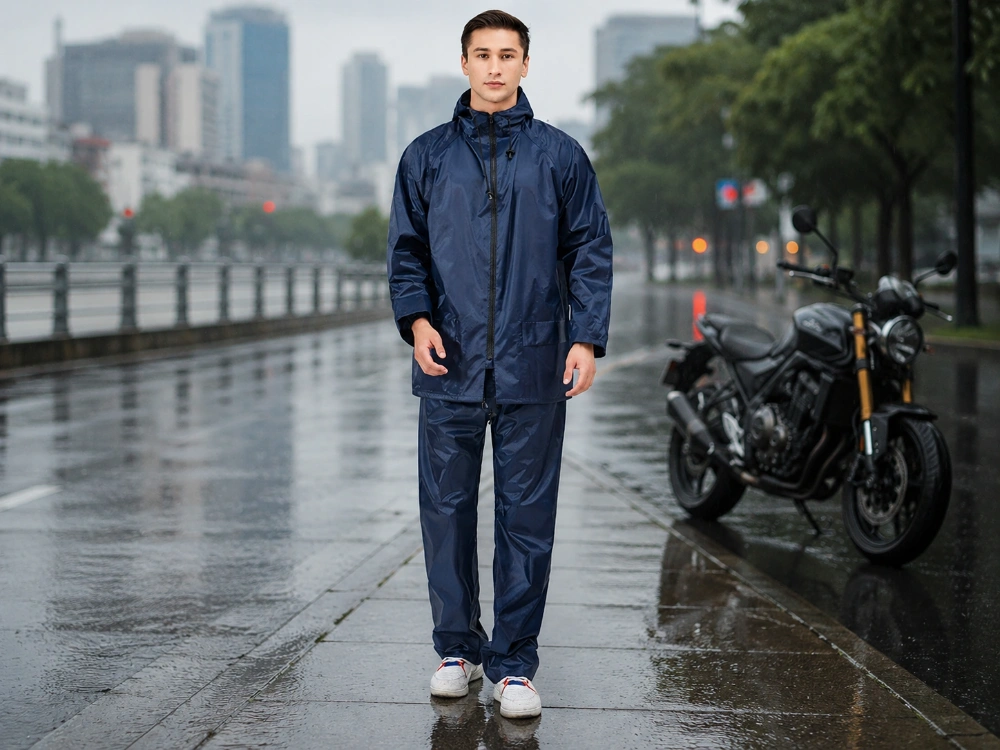
Para muitos motociclistas, um conjunto de duas peças facilita o uso diário de roupas de chuva. A jaqueta e a calça podem ser vestidas separadamente na beira da estrada, o que é útil quando a chuva começa de repente. Elas também oferecem ao motociclista mais liberdade para se abaixar, caminhar e subir ou descer da moto do que uma única peça de roupa contínua permitiria.
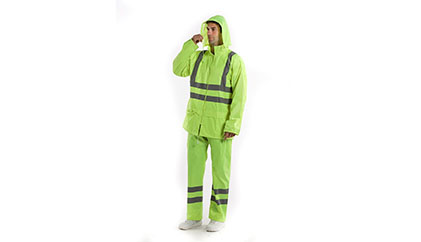
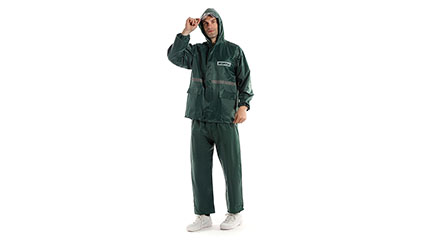
O conjunto de chuva para motociclismo da Chenyuan é composto por jaqueta e calça, ideal para ciclismo, deslocamentos diários, trabalho ao ar livre e outras atividades em clima úmido. Feito em poliéster com revestimento em PVC, está disponível nos tamanhos P a 3XG e inclui detalhes refletivos. A impressão de logotipos personalizados também está disponível.
Isso não significa que um conjunto de duas peças seja automaticamente melhor em todas as situações. A jaqueta e a calça ainda precisam ter sobreposição suficiente na cintura. Se a jaqueta subir quando o ciclista se inclinar para a frente, a água terá caminho livre para a roupa de baixo. Ciclistas de longa distância devem testar essa sobreposição na posição de pilotagem, em vez de julgá-la por uma foto do produto em pé.
Os compradores que compararem esta construção podem consultar a Conjunto de duas peças para chuva, ideal para motociclismo. antes de definir a gama de tamanhos, cores, posicionamento do logotipo e requisitos de embalagem.
Qual o material mais adequado para um fato de chuva impermeável?
Não existe um único material que sirva para todas as situações. Comece pensando no uso real: com que frequência a peça será usada, o quanto ela será manuseada e se ela se destina a ser um item básico para o dia a dia ou um produto para uso mais regular.
A Chenyuan utiliza poliéster com revestimento de PVC em jaquetas, calças, capas de chuva compridas e conjuntos de ciclismo reutilizáveis. A construção combina uma base têxtil com um revestimento impermeável. Seu conjunto de chuva refletivo CY002 utiliza poliéster 170T com PVC de 0,18 mm, pesa cerca de 975 g e está disponível nos tamanhos M a 4XL.
Não julgue um conjunto impermeável para uso diário apenas pela sua camada protetora. Feche a parte da frente, ajuste os punhos e o capuz e, em seguida, verifique as costuras e as aberturas das calças na posição de pilotagem. Esses detalhes influenciam a sensação da peça completa após vinte minutos na estrada; a camada protetora é apenas uma parte do resultado final.
É aqui que os compradores precisam diferenciar "leve" de "melhor". Um conjunto de chuva para motociclismo mais leve pode ser mais fácil de transportar no dia a dia. Uma construção mais robusta pode ser mais adequada para uso frequente ao ar livre. As especificações devem ser definidas pelo grupo de clientes, e não por um único código de tecido.
Qual a importância de equipamentos de chuva refletivos em estradas molhadas?
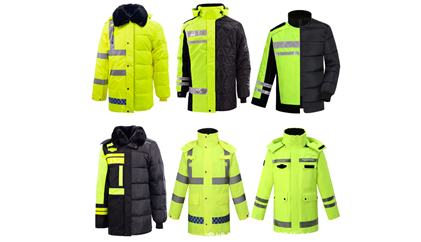
A chuva altera tanto a visibilidade dos ciclistas quanto a facilidade com que se destacam na estrada. Roupas escuras podem se camuflar em um ambiente úmido, principalmente no trânsito noturno, em neblina ou em condições climáticas adversas. Equipamentos de chuva refletivos adicionam um elemento de visibilidade extra sem comprometer a função básica da peça: proteção contra a chuva.
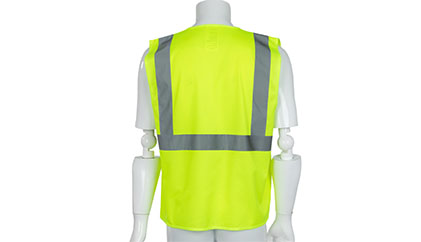
O posicionamento é importante. Um pequeno detalhe refletivo no peito é diferente de faixas refletoras distribuídas pela frente, costas, punhos e pernas. O modelo CY002 da Chenyuan utiliza faixas refletoras em diversas dessas áreas. Sua cor laranja também oferece aos compradores uma alternativa ao azul-marinho e aos tons escuros comumente usados em capas de chuva para motociclismo.
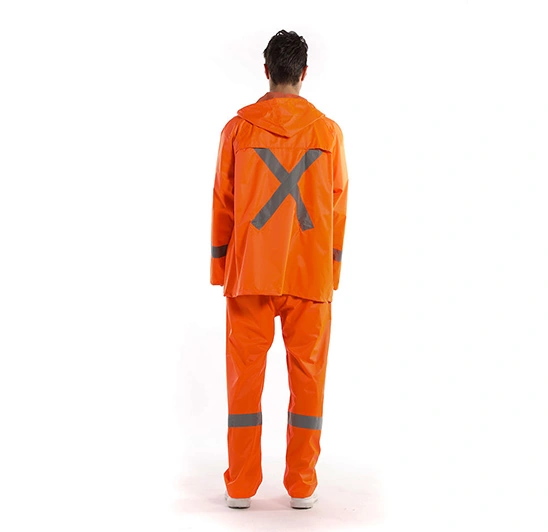
Para distribuidores que atendem motociclistas, equipes de entrega, equipes de atividades ao ar livre ou clientes de uso misto, as capas de chuva refletivas podem ser planejadas como parte da peça desde o início, em vez de serem adicionadas posteriormente. Os compradores podem revisar o capa de chuva refletiva em poliéster PVC ao comparar o posicionamento dos refletores e a construção em duas peças.
Que detalhes de ajuste os motociclistas devem verificar antes de encomendar roupas de chuva para motocicleta?
Um erro comum na escolha do tamanho da roupa de chuva é compará-la com o tamanho de uma roupa casual do dia a dia. Roupas de chuva para motociclistas geralmente precisam ser usadas sobre jaquetas, uniformes de trabalho ou outras camadas de roupa. Esse volume extra altera as medidas de ombro, peito, cintura, joelho e manga.
Uma verificação de ajuste útil deve incluir:
- Espaço para os ombros com o cavaleiro estendendo o braço para a frente;
- Cobertura das mangas com ambos os braços estendidos;
- sobreposição da jaqueta na calça quando sentado;
- Conforto do joelho com as pernas dobradas;
- comprimento da calça acima do calçado;
- Ajuste do punho em torno das luvas ou mangas;
- Ajuste do capuz ou da gola sem obstruir a visão lateral.
Para um programa de marca própria, aprovar uma única amostra em uma única pessoa raramente revela toda a história. Um comprador que planeja capas de chuva para homens, mulheres ou para um público misto deve considerar a distribuição real de tamanhos dos clientes. Muitas coleções ainda são posicionadas como capas de chuva para homens, mas uma grade de tamanhos mais ampla pode tornar a mesma peça de duas partes útil para mais ciclistas.
Imagine um distribuidor preparando um grande pedido para empresas de entrega. Se a amostra for aprovada apenas com o usuário em pé, o pedido em massa poderá reproduzir o mesmo problema de ajuste na manga ou no joelho em todos os tamanhos. Verificar o ajuste com o usuário sentado é simples. Corrigir um lote de produção já finalizado não é.
O que os compradores devem confirmar antes que as capas de chuva para motocicletas entrem em produção?
Um pedido de compra útil descreve mais do que apenas cor e quantidade. A confecção de roupas de chuva envolve diversas pequenas decisões que se tornam caras de alterar depois que o corte já começou.
A Chenyuan oferece suporte a logotipos personalizados e pode trabalhar a partir da arte do cliente. O desenvolvimento de amostras para muitos produtos de vestuário impermeável leva normalmente de 7 a 10 dias. Sua estrutura de produção inclui oficinas especializadas e linhas de produção completas, com equipamentos de corte, costura, selagem, fechamento automático de botões e de alta frequência. Os conjuntos de chuva são uma das categorias de produção consolidadas da fábrica.
Antes de confirmar um pedido em grande quantidade de capas de chuva para motocicletas, os compradores devem verificar os seguintes pontos:
- tecido e revestimento;
- tabela de tamanhos aprovada;
- Construção de jaqueta e calça;
- posição da faixa refletora;
- Tamanho e localização do logotipo;
- padrão de cores;
- método de embalagem;
- Quantidade por caixa;
- amostra de pré-produção aprovada;
- Requisitos de inspeção antes do envio.
A embalagem também merece atenção, especialmente quando o conjunto impermeável para chuva será distribuído em canais de varejo, revendedores, promoções ou comércio eletrônico. A Chenyuan oferece suporte para capas de vestuário, etiquetas, etiquetas de lavagem e soluções de embalagem personalizadas, permitindo que a apresentação da marca própria se estenda além da própria peça de roupa.
A Chenyuan produz roupas de chuva desde 1992, fabricando capas de chuva, macacões impermeáveis e ponchos para mercados internacionais. Sua fábrica em Yiwu possui oficinas de produção especializadas e múltiplas linhas de produção, fornecendo a base necessária para programas de roupas de chuva padrão e personalizadas.
Compradores com um projeto específico podem Envie a Chenyuan um resumo do projeto de capa de chuva para motociclistas. com as especificações do material alvo, faixa de tamanho, quantidade, arte do logotipo, requisitos de embalagem e mercado de destino.
Qual equipamento de chuva para motociclistas é adequado para diferentes situações de pilotagem?
A melhor configuração varia de acordo com a função. Um trabalhador que passa quinze minutos pedalando até o trabalho valoriza a facilidade para se trocar e guardar a roupa de forma prática. Já um entregador pode usar o mesmo terno várias vezes por semana. Percursos mais longos em dias chuvosos exigem maior atenção ao comprimento das mangas, à cobertura da calça, à sobreposição na cintura e ao conforto geral.
|
Cenário de equitação |
Instruções práticas para roupas de chuva |
|
Deslocamento diário para o trabalho na cidade |
Conjunto de chuva leve para motociclismo em duas peças |
|
Serviços de entrega e correio |
Macacão impermeável para chuva com detalhes refletivos |
|
Passeios mais longos em tempo chuvoso |
Cobertura total da jaqueta e da calça com sobreposição segura. |
|
Trabalho ao ar livre e uso de motocicleta |
Conjunto de chuva resistente em poliéster/PVC |
|
sortimento de varejo ou revendedor |
Vários tamanhos, cores visíveis e personalização da marca. |
Portanto, um conjunto de chuva para motociclistas deve ser escolhido considerando o uso específico, e não isoladamente. Isso também ajuda os compradores a evitar a supervalorização de um produto básico para uso diário ou a subestimação de um modelo destinado ao uso frequente.
Conclusão
Escolher um equipamento de chuva para motociclistas não se resume a encontrar o tecido mais grosso, mas sim a adequar a peça ao tipo de pilotagem. Quem usa a moto para ir ao trabalho precisa de proteção rápida e prática. Motociclistas de entrega se beneficiam de uma construção que permita o uso repetido e de detalhes visíveis. Já em viagens mais longas, é preciso considerar o comprimento das mangas, a cobertura da calça, a sobreposição na cintura, os punhos e o conforto na posição sentada.
Para os compradores, a avaliação mais útil ocorre antes do pedido em grande quantidade. Teste o conjunto de chuva para motociclismo sobre as roupas que você usa normalmente para pilotar, confirme a tabela de tamanhos, verifique a posição dos detalhes refletivos e aprove o material, o logotipo e a embalagem. Um conjunto de chuva impermeável que tenha um bom desempenho na moto é mais fácil de ajustar, mais fácil de encomendar novamente e tem menos probabilidade de gerar reclamações desnecessárias sobre o tamanho.
A Chenyuan pode dar suporte a projetos de vestuário de chuva, desde o desenvolvimento de amostras até a produção em massa. Se a sua linha de produtos precisar de equipamentos de chuva personalizados para motociclistas, Discuta suas necessidades de vestuário para chuva com Chenyuan. antes de finalizar a especificação.
FAQ
P1: Um macacão de chuva para motociclistas é melhor do que uma jaqueta de chuva?
A1: Um conjunto de chuva para motociclistas oferece cobertura completa, incluindo jaqueta e calça, o que é útil quando o motociclista precisa de proteção tanto na parte superior quanto na inferior do corpo. Uma jaqueta de chuva pode ser suficiente para viagens curtas ou condições climáticas mais amenas, mas as pernas precisarão de proteção separada se o tempo piorar.
P2: O equipamento de chuva para motociclistas deve ser usado por cima de roupas normais para pilotar?
A2: Sim. O ajuste deve permitir espaço para as roupas ou camadas de proteção normalmente usadas por baixo. Os motociclistas devem verificar a mobilidade dos ombros, o comprimento das mangas, a flexão dos joelhos, a sobreposição na cintura e o comprimento das calças enquanto estiverem sentados na motocicleta, e não apenas em pé.
P3: Roupas de chuva refletoras são úteis para quem usa motocicleta para ir ao trabalho?
A3: Roupas de chuva refletoras adicionam superfícies visíveis à vestimenta em condições de pouca luz e chuva. Para quem usa motocicleta para ir ao trabalho, áreas refletoras na frente, nas costas, nos punhos ou nas pernas podem ser consideradas, juntamente com cores mais claras na roupa e outras medidas de visibilidade do motociclista.
 E-mail
 Whatsapp
 Deixar Mensagem
 cima
cima