


Polyester vs PVC Workwear: Choosing the Best Tear-Resistant Gear
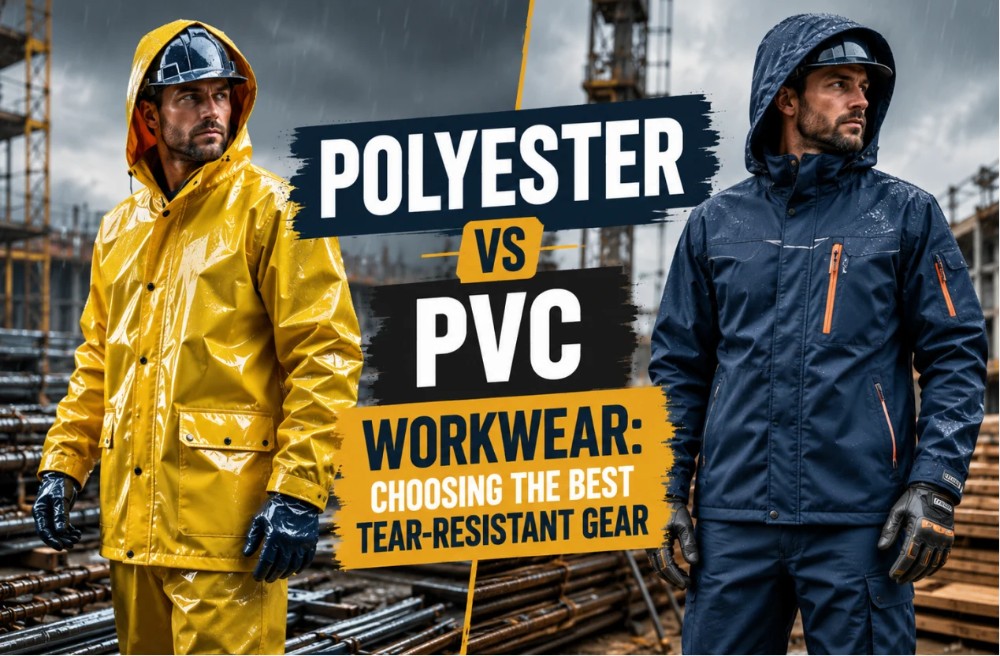
Severe weather events consistently threaten industrial construction projects, particularly during critical operational phases requiring uninterrupted labor. When atmospheric conditions deteriorate, site managers must ensure operational continuity, yet substandard protective garments frequently fail under rigorous site demands. Basic waterproof apparel easily tears upon contact with exposed steel reinforcement, compromising both structural integrity and worker safety. When your crew operates around sharp hand tools, rough wooden boards, and jagged metal fences, a basic rain poncho simply will not survive the morning. You have to find the best workwear material to keep them safe and dry. The debate usually comes down to two major fabric options. Let us look closely at the physical differences between these materials so you can buy the right protection for your next big outdoor project.
The Real Cost of Flimsy Site Clothing
Purchasing managers often stare at budget spreadsheets and choose the cheapest rain covers they can find. This looks like a brilliant financial move until a rough storm actually hits the site. Those cheap covers break on the first day, causing expensive project delays and miserable working conditions.
Instead of replacing broken gear every week, smart companies invest heavily in true tear-resistant workwear from the start. Here is exactly why tough clothing matters on a modern building site:
-
Protection against sharp objects: Scaffold tubes, wire mesh, and stray nails easily slice right through thin plastic sheets. You need a solid fabric structure that physically stops a tiny cut from ripping all the way down the worker’s back.
-
Financial savings over time: Buying one heavy coat for $35 that lasts the entire year saves far more money than buying a $10 throwaway jacket five different times. It also stops your office team from wasting hours ordering replacement supplies.
-
Better worker focus: When a worker is freezing and their jacket is ripped open, they rush their daily tasks just to get out of the rain. Solid, unbroken gear keeps them warm, alert, and focused on working safely around dangerous machinery.
Evaluating Pure Polyvinyl Chloride for Heavy Labor
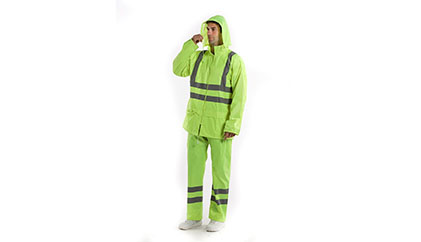
For decades, heavy industries relied entirely on thick plastic coats to block out driving rain. You still see these bright yellow suits on highway projects today, but the classic solid plastic design comes with some serious physical drawbacks for modern construction crews who need to move quickly and safely.
The Waterproofing Power of PVC Workwear
A jacket made entirely of polyvinyl chloride is essentially a solid wall of synthetic plastic. Raindrops hit the smooth surface and immediately slide right off into the mud. From a pure waterproofing standpoint, it is incredibly effective against massive amounts of water. It is also exceptionally easy to clean at the end of a messy shift. A dirty worker can simply stand in the wash zone and have a colleague spray the wet concrete and mud off with a standard garden hose.
Where Standard Plastic Fails
The biggest problem with pure plastic is that it does not breathe at all. It traps all the natural body heat inside the coat. After an hour of swinging a heavy hammer, the worker becomes completely soaked in their own sweat. Furthermore, in freezing winter conditions, pure plastic becomes very rigid. It loses its soft flexibility and can suddenly crack open if it gets caught on a sharp corner or a piece of heavy equipment. Once it cracks, the jacket is ruined.
The Rise of Woven Synthetic Fabrics
As job site demands evolved, clothing factories had to find a smart way to stop sharp nails and wood splinters from cutting open waterproof layers. The ultimate solution involved taking tough woven threads and combining them directly with advanced chemical barrier coatings to create a much stronger shield.
The Strength of Polyester Workwear
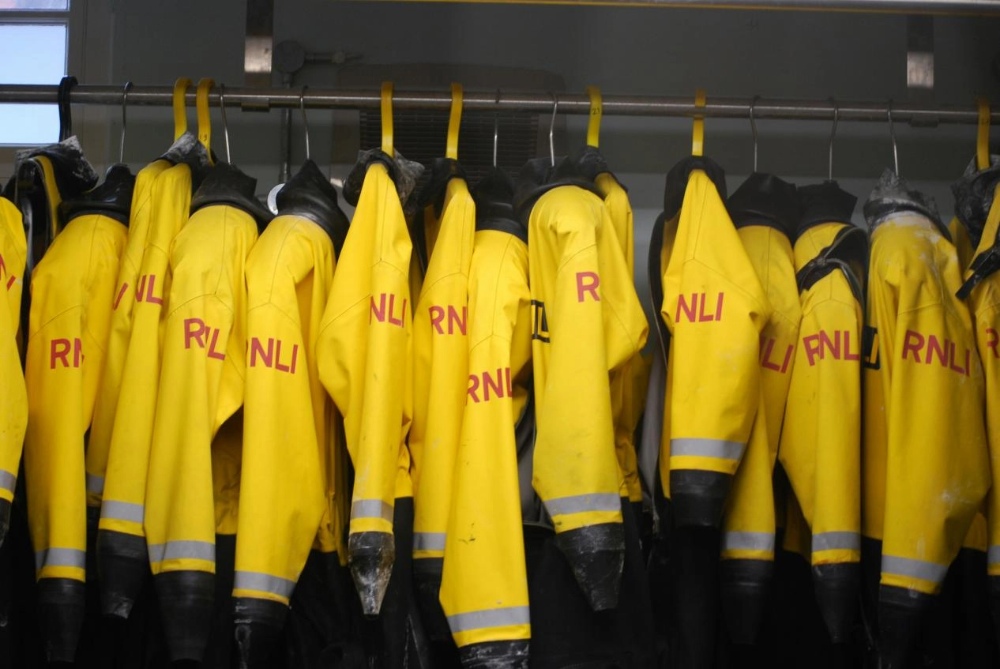
Polyester is a woven fabric. Because it is built from thousands of interlocking threads, it actively resists ripping. If a stray piece of metal catches the sleeve, the woven structure naturally stops the hole from spreading wider. This material is also much lighter and drapes naturally over the human body. It allows a roofer or a bricklayer to lift their arms completely above their head without the jacket pulling tightly across their shoulders and restricting their blood flow.
Hybrid Solutions for Tough Environments
On its own, a woven fabric will eventually soak through in a heavy storm. To fix this obvious problem, high-end manufacturers take a tough 170T polyester outer layer and apply a thick 0.18 mm inner coating of PVC. This hybrid creates the ultimate tear-resistant gear. You get the incredible physical strength and flexibility of the woven threads on the outside, backed by the total water-blocking power of the plastic coating on the inside.
Head-to-Head Material Comparison
Standing in a crowded supply warehouse and trying to guess which fabric works best is a recipe for a bad purchase. We need to look at exactly how these different layers hold up against thick mud, freezing wind, and sharp metal edges in the real, unpredictable class=”tab_001″ border=”1″ outdoor world.
| Feature | Pure Plastic Coat | Polyester Blend Coat |
| Physical Strength | Low; rips easily on sharp metal nails | High; woven threads stop deep cuts |
| Cold Weather | Becomes stiff and cracks in the snow | Stays highly flexible all winter long |
| Worker Comfort | Traps sweat, feels sticky against skin | Breathes naturally, moves with the body |
| Overall Lifespan | Usually breaks within a few short weeks | Survives multiple harsh building seasons |
As the comparison clearly shows, spending a little more budget on a hybrid woven fabric completely changes how your team experiences bad weather. It stops the constant cycle of throwing away torn plastic every Friday afternoon and gives your crew a reliable tool they can actually trust.
Manufacturing Quality Changes Everything
Even the absolute best cloth will fall apart quickly if the factory simply sews the pieces together with a cheap needle. The secret to creating truly durable workwear lies entirely in how the seams are sealed, heated, and reinforced during the final stages of the production line.
When you order gear for a large construction firm, you have to look past the raw fabric roll and ask how the factory actually builds the coats.
-
Advanced Sealing Machines: Standard sewing machines punch thousands of tiny holes into the fabric. Rain leaks right through those holes to wet the shirt underneath. Professional factories use high-frequency sealing machines. These advanced devices apply intense heat to melt the seams together, making a solid, waterproof bond that never leaks.
-
Reinforced Stress Points: A smart factory adds extra stitching and tough material patches to the armpits and lower pocket corners. These specific areas take the absolute most abuse when workers bend down to lift heavy supplies off the wet ground.
-
Quality Control Standards: A factory holding a real ISO9001 certification tests its zippers, snaps, and fabric strength constantly. This strict testing means every single jacket in a massive 2,000-piece bulk order performs exactly the same on the job site.
Conclusion
Equipping your outdoor crew with the right fabrics stops expensive project delays and keeps your workers safe from harsh elements. While solid plastic has its place, a woven polyester blend offers the flexibility and strength needed for demanding physical labor. To get the best results, you need a manufacturing partner with real industrial experience. Since 1992, Chenyuan has been writing a 30-year waterproof legend. Operating from a massive 10,000-square-meter facility in Yiwu, their 200 skilled employees run 12 complete production lines to deliver 4 million premium garments annually. Backed by strict ISO9001 quality control and advanced high-frequency sealing machines, Chenyuan provides exceptional OEM and ODM solutions. Contact us today to protect your team with gear that truly works.
FAQs
Q: What is the best workwear material for construction sites?
A: A strong blend of polyester and PVC creates the best tear-resistant gear for rough building sites.
Q: Why is polyester workwear better than pure plastic?
A: It uses woven threads that stop cuts from spreading, making it highly durable workwear for active labor.
Q: How do I clean muddy PVC workwear?
A: You can easily wipe it down with a wet towel or spray it clean with a standard water hose.
 E-mail
 Whatsapp
 Leave Message
 top
top