
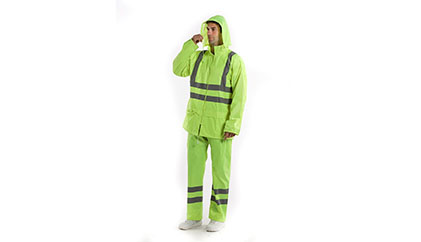
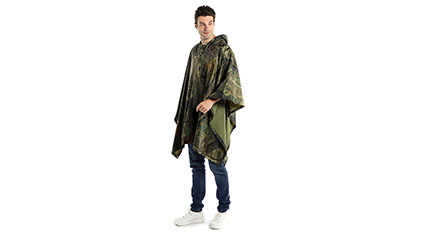
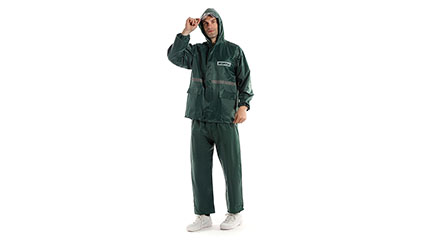
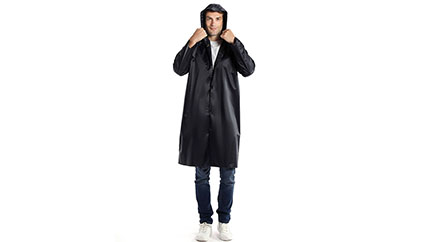


Eco-Friendly Workwear: Sustainable Raincoats for Modern Sites

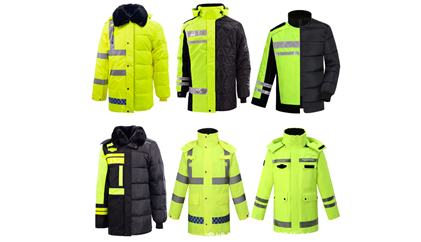
With strict environmental regulations coming into play and clients demanding greener operations, project managers are finally changing their outdated buying habits. They quickly realize that protecting their crew from severe weather should not mean destroying the local landfill. This massive shift in thinking is pushing the demand for eco friendly workwear to record highs. By investing in better materials, smart companies are keeping their workers completely dry while actively reducing their daily industrial waste.
The Heavy Cost of Disposable Plastic on Job Sites
It is incredibly common to see waste bins completely packed with broken plastic coats after a single afternoon thunderstorm. Buying cheap materials creates a serious trash problem for modern construction companies. Let us examine how this old purchasing habit secretly drains your budget and harms the local environment today.
-
Massive physical waste: A standard crew of 200 workers burning through five cheap ponchos a year creates 1,000 pieces of non-biodegradable trash. That broken plastic will sit buried in the ground for centuries.
-
Hidden financial drain: Paying $10 for a coat that breaks in a week costs you far more money than spending $30 on sustainable workwear that easily survives an entire harsh winter building season.
-
Poor public image: Large clients and local government inspectors closely watch how contractors manage their daily site waste. Overflowing trash bins make your entire operation look highly unprofessional and careless.
Defining True Green Protective Equipment
Selecting clothing that actually helps the planet goes far beyond picking a cardboard box with a green leaf printed on it. Serious environmental manufacturing focuses deeply on extending the physical lifespan of the garment and picking smarter base components. Here is what truly defines responsible outdoor protection today.

Prioritizing Extreme Durability
The most effective way to reduce industrial trash is to simply buy things that do not break. When a factory uses advanced high-frequency sealing machines to bond 170T woven polyester with a thick protective coating, the resulting jacket handles brutal friction without tearing. Keeping a coat in active service for three solid years instead of throwing it away after three weeks is the ultimate form of responsible consumption.
Choosing Better Raw Materials
Forward-looking plants are turning from readily split, one-off plastics. Nowadays, they employ substances such as EVA (Ethylene Vinyl Acetate), which stands out as rather gentler, quite bendy amid icy chills, and widely viewed as a far sounder option to usual firm plastics. If you furnish your group with such eco-friendly rain gear, then you deliver improved range of motion and markedly trim harmful production side effects.
Comparing Common Fabric Options
Standing in a crowded hardware store looking at hundreds of different waterproof jackets can feel very confusing. To make an intelligent choice for your outdoor crew, you must look directly at the real differences between traditional throwaway items and modern sustainable waterproof gear during a heavy storm.
| Feature | Single-Use Plastic Ponchos | Modern Sustainable Raincoats |
| Replacement Rate | Needs replacing every few days | Lasts for multiple construction seasons |
| Environmental Impact | Fills local landfills rapidly | Drastically reduces annual site waste |
| Worker Comfort | Stiff, hot, and highly restrictive | Soft, flexible, and moves naturally |
| Cold Weather | Cracks open in freezing snow | Remains highly pliable in the cold |
| Stitching Strength | Tears apart at the shoulder seams | Heat-sealed joints block water completely |
How Smarter Purchasing Changes Your Business
Upgrading your entire team to premium weather protection requires a slightly higher initial budget, but the long-term rewards are massive. Companies that strictly adopt green purchasing policies quickly notice major improvements in their daily site operations, overall employee satisfaction, and their valuable public reputation in the city.
Winning Modern Building Contracts
At present, town organizers and individual builders call for solid green adherence prior to granting a sizable construction agreement. If you manage to display that your outfit keenly cuts waste via acquiring sustainable workwear, then you promptly secure a vast lead above rivals who cling to grimy, one-time provisions. Such a display indicates that your oversight group holds deep regard for the small points.
Boosting Worker Morale on Site
No person relishes donning a rigid, foul plastic sheet during efforts to wield a weighty tool or manage large devices. Top-notch eco-friendly workwear permits superior air flow and avoids emitting potent chemical scents as the midday warmth emerges. Hence, if your employees sense total ease and dryness, their routine output climbs, and they hold esteem for the provisions handed to them.
Maintaining Your Gear to Maximize Its Lifespan
Buying great equipment is only the first half of the green equation. To truly minimize your environmental footprint, your team must know exactly how to care for their protective clothing. Proper daily maintenance adds years of active life to your gear and prevents unnecessary factory reorders.
Correct Washing Techniques
Dumping a soil-laden jacket into a warm drying unit ranks as the speediest path to wreck its moisture-barring strata. In place of employing rough chemical cleaners that erode the weave, staff ought to merely clean the soil away using a moist cloth. Should the jacket call for a thorough cleanse, then apply cool water paired with soft cleanser to safeguard the outer shield for the upcoming gale.
Proper Storage Protocols
When the rain finally stops, many workers just throw their wet gear into a dark corner of the work truck. This terrible habit causes mold to grow fast, which ruins the fabric entirely. Sustainable raincoats need to hang on a hook in a shaded, well-ventilated room. Keeping the material dry between storms prevents bad smells and keeps the jacket looking brand new.
Conclusion
Switching to better materials is a brilliant financial move that protects your crew while actively reducing the massive amount of trash sent to landfills every year. By selecting high-quality fabrics, you save money over time and build a much stronger, greener company image. When you are ready to upgrade your supplies, you need a manufacturing partner with a proven history. Since 1992, Chenyuan has led the industry in reliable weather protection. Operating a 10,000-square-meter facility in Yiwu with 200 skilled employees, we use 12 complete production lines to deliver 4 million premium garments annually. Backed by strict ISO9001 quality control and advanced high-frequency sealing machines, Chenyuan provides exceptional OEM and ODM solutions. Contact us today to equip your hardworking team with gear that truly respects the environment.
FAQs
Q: Why should construction companies buy eco friendly workwear?
A: It dramatically reduces landfill waste and cuts down long-term replacement costs on your busy job site.
Q: How long do sustainable raincoats normally last?
A: High-quality sustainable raincoats easily survive multiple harsh construction seasons without tearing or losing their waterproofing.
Q: What materials are used in sustainable waterproof gear?
A: Manufacturers use highly durable woven polyester blends and flexible EVA to create long-lasting, eco friendly rain gear.
 E-mail
 Whatsapp
 Leave Message
 top
top