

Table of Contents
Related news
How Should Buyers Source Bulk Rain Ponchos for Outdoor Events?
Rain looks cheap on a purchase sheet until the first carton is opened in front of a crowd. A bulk rain ponchos order has to arrive on time, unfold quickly, fit the weather, and still look acceptable when people start posting photos from the venue. For event suppliers, tourism buyers, distributors, and promotional teams, the real purchase is not just a waterproof poncho. It is a small service item that has to work under pressure, with staff moving fast and customers already wet.
That is why this order deserves more care than a last-minute accessory buy. Material, packing, logo position, carton labels, and reorder timing all matter. Chenyuan gives wholesale buyers a rainwear range that includes rain poncho options for events, cycling, travel, outdoor retail, and promotional programs, so buyers can compare the selling scene before they lock in samples.
Why Do Bulk Rain Ponchos Fail During Events?
The failure usually starts weeks before the rain. Someone approves a generic rain poncho because the quote looks fine, but nobody checks the film feel, hood shape, packing count, or how the product will be handed out. When the gate opens, small misses become public: neck openings tear, hoods fall back in wind, and volunteers spend too long separating packed pieces.
Thin Materials Create Visible Failure Points
Thin disposable ponchos still have a place. They can be fine for short giveaways, emergency kits, or low-risk promotions. But a paid festival, ferry terminal, amusement park, outdoor race, or resale counter carries a different expectation. If the poncho splits while the customer is still on site, the buyer is left with refunds, replacement costs, and the kind of complaint that tends to travel faster than the rain itself.
Poor Packaging Slows Crowd Management
Packing sounds like a back-office detail, yet it decides how smoothly the team works on the day. One piece per bag, clear carton quantity, and simple labels help staff hand out products without digging through mixed stock. For retail resale, the same choices affect barcode placement, shelf display, and how quickly a shopper understands the size and use. Before a bulk order is confirmed, packing should be discussed with the same seriousness as material.
What Material Should Buyers Choose for Reusable Rain Ponchos?
A poncho for a commuter program, a reusable rain poncho for a weekend festival, and a heavier outdoor poncho should not be bought from the same mental shelf. Buyers need to feel the fabric, check the coating, fold it, smell it, pull at the seams, and decide whether printing will sit cleanly on the surface. The right material is the one that matches the complaint risk, not only the target price.
PVC Coated Polyester Suits Stronger Waterproof Demand
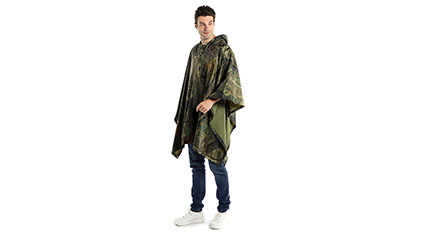
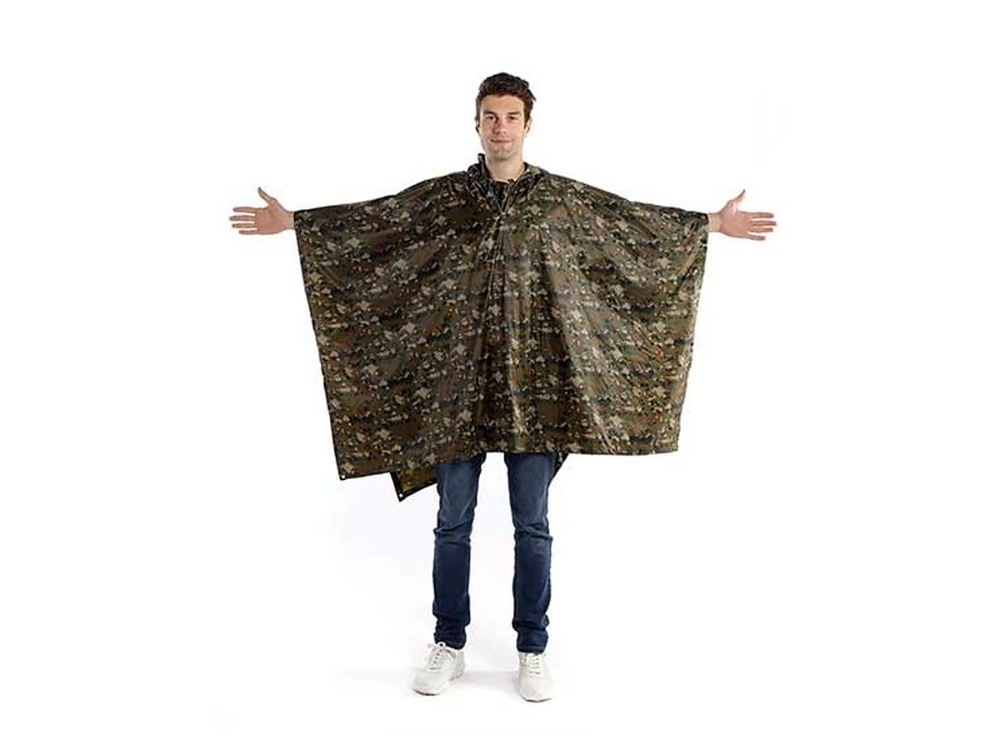
For stronger waterproof demand, PVC coated polyester is easier to position as a reusable rain poncho rather than a throwaway cover. Chenyuan’s 100% Waterproof PVC Reusable Men’s Polyester Waterproof Poncho uses 170T polyester with 0.18mm PVC, weighs about 710g, supports customized logos, and is packed 1 set per bag with 40 sets per carton. Those details give buyers something concrete to calculate: freight weight, storage space, durability expectations, and handout speed.
PU Coated Polyester Supports Lighter Movement
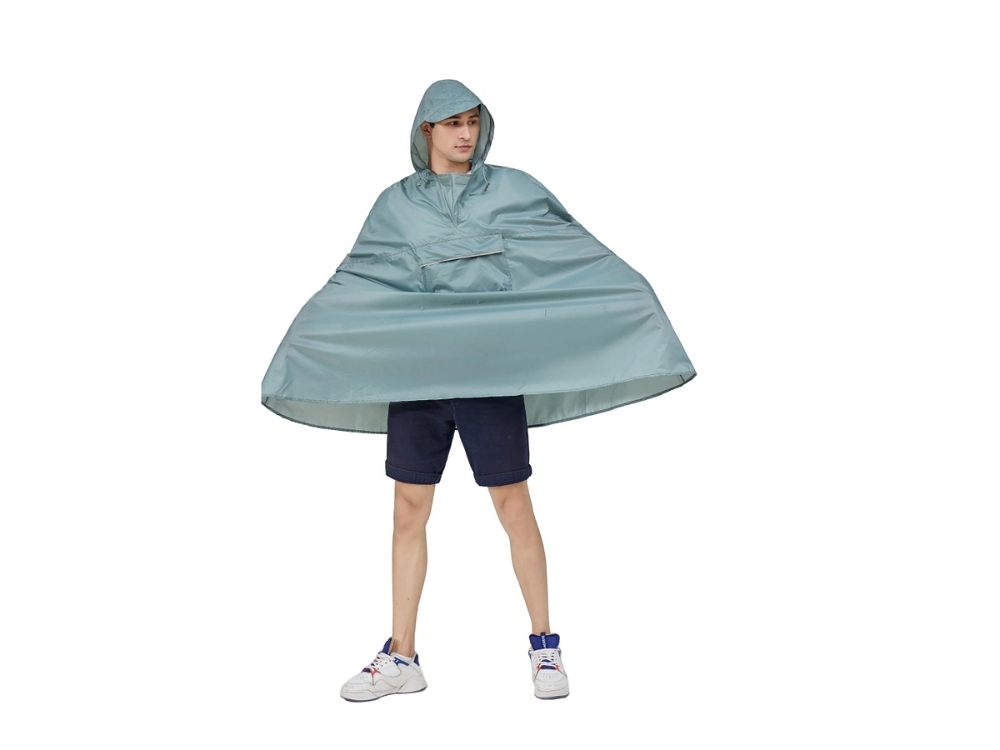
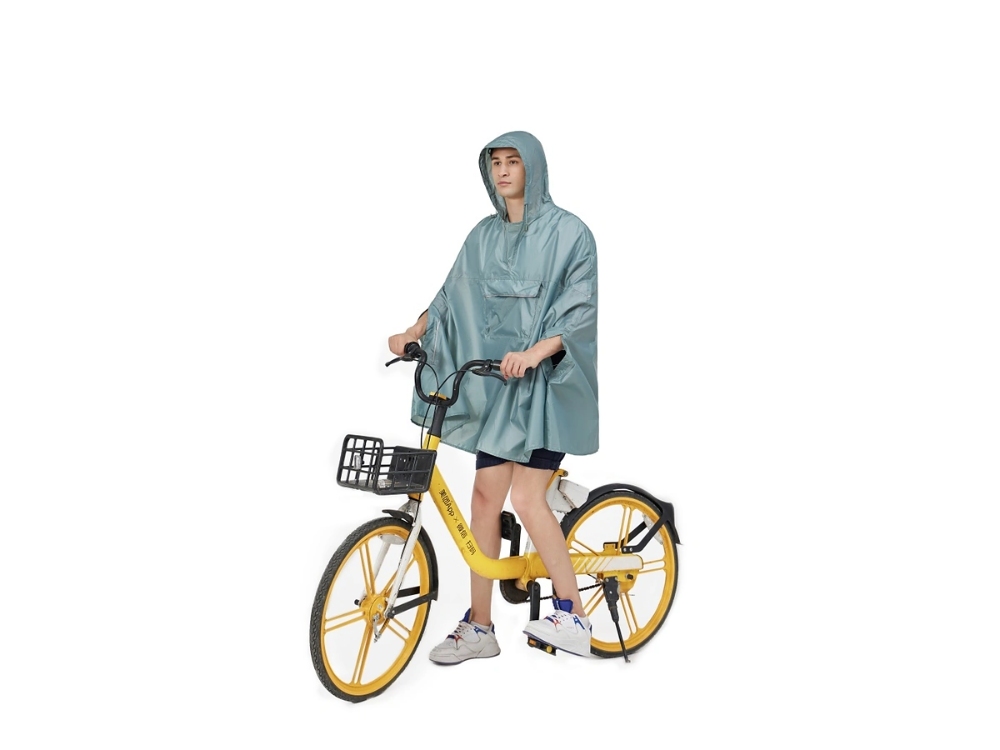
A lighter PU coated option fits a different sale. Cycling programs, commuter packs, tourism rentals, and outdoor activity stores often care more about easy carrying than a heavy-duty feel. Chenyuan’s Waterproof 210T Polyester Bike Rain Poncho with PU Coating weighs about 220g, supports customized logos, and uses 1 set per bag with 40 sets per carton. That makes the product easier to explain when the buyer’s customer needs movement, packing convenience, and a less bulky waterproof poncho.
How Should Buyers Plan Custom Rain Poncho Orders?
A custom rain poncho order can look simple in an email: choose a color, add a logo, approve the sample. In practice, event sponsors, resorts, sports teams, charity races, and tourist attractions often need more decisions than expected. Logo size, ink color, folding direction, individual bags, carton marks, and sample timing can all slow the order if they are left vague.
Logo Plans Should Be Confirmed Before Sampling
Artwork should be checked before the sample is approved, not after production is already being discussed. A logo that works on a flat PDF may land awkwardly across a hood, chest fold, or curved poncho panel. Buyers should confirm placement, print size, color limits, and surface suitability early. It is a small step, but it prevents the familiar round of ‘just one more sample’ right when the calendar is getting tight.
MOQ and Sample Timing Shape the Sales Calendar
For applicable Chenyuan rain poncho models, MOQ may start around 1,000 or 2,000 sets, while samples usually take 7-10 days. The final number still depends on model, material, color, logo, packing, and season. If the order is tied to a festival date, retail launch, or distributor selling window, sample delay is not a minor inconvenience. It can push photos, listings, shipment booking, and local delivery into the wrong week.
Which Rain Poncho Type Fits Each Sales Channel?
One poncho cannot carry every sales channel well. Event organizers want fast distribution and predictable cartons. Cycling retailers need mobility and lower weight. A travel brand may care about compact packing and repeat use. Promotional buyers may judge the order by logo visibility before anything else. When the channel is clear, the product choice becomes much less random.
Event and Festival Buyers Need Speed
Outdoor event teams usually want cartons that open cleanly, colors that are easy to sort, and products that volunteers can pass out without a second explanation. A reusable rain poncho can also become a branded giveaway when the material feels solid and the logo sits in a visible place. Before a large order, buyers should ask whether mixed colors, printed bags, or custom labels will change lead time.
Cycling and Commuter Programs Need Mobility
Bike commuters and outdoor riders are less forgiving about bulk. A poncho needs to cover the rider without turning into a heavy sheet that catches every gust of wind. Hood shape, sleeve coverage, front opening, and folded size all matter. Buyers serving this channel should compare lighter PU coated designs with heavier PVC coated products, then decide whether the main selling point is portability, stronger waterproofing, or custom branding.
Why Does Factory Control Matter in Rain Poncho Sourcing?
Rain poncho sourcing is partly a product choice, but factory control decides whether the second order looks like the first one. For B2B buyers, consistency matters in fabric feel, color, logo execution, bagging, carton quantity, and sample approval. A trading-only purchase may work for a one-off spot buy. It becomes much riskier when a distributor expects to reorder the same SKU next season.
A Supplier Should Explain Production Details Clearly
A useful supplier conversation should get specific quickly. Material, coating, product weight, MOQ, sample time, logo options, carton packing, and delivery schedule all belong on the table. Without those details, two quotes are not really comparable. Chenyuan’s rain poncho range gives buyers model-level data such as polyester/PU or polyester/PVC construction, sample timing, packing method, and customization options, which makes the first procurement discussion less vague.
Category Range Supports Better Catalog Planning
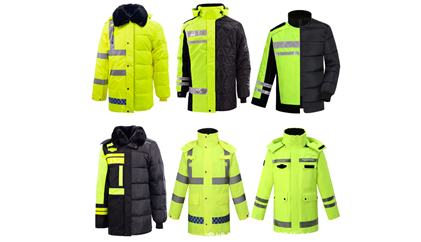
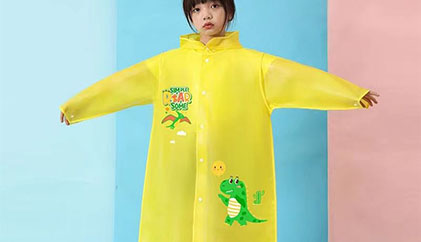
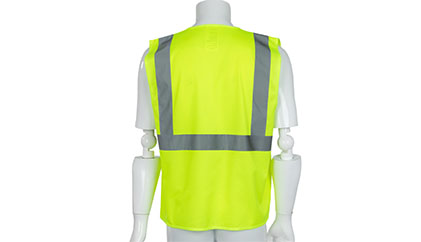
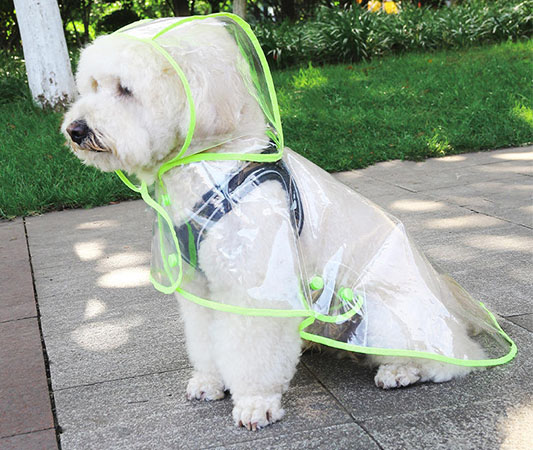
Most distributors do not want to sell one item forever. They may begin with ponchos and later add rain suits, long raincoats, kids raincoats, dog raincoats, safety vests, or other rainy-season products. A supplier with a broader rainwear line helps the buyer build a catalog instead of collecting disconnected SKUs from different vendors. The practical move is to map the product range before samples are ordered.
How Can Buyers Reduce Risk Before Placing a Bulk Order?
The safest order is not the one with the longest checklist. It is the one where the important details are written down early. Use case, material, MOQ, sample timing, logo plan, carton packing, and delivery date should be clear before money moves. For an event order, the delivery plan also needs buffer time for customs, local transport, warehouse receiving, and staff distribution.
A Short Procurement Checklist Prevents Rework
Before approving bulk rain ponchos, buyers should match the product to the real selling scene: expected rain, crowd size, customer type, packaging, branding, and reorder plan. Ask for product-specific photos and a sample in the final material. That is more useful than a general catalog because it exposes the details people notice when the product is actually used.
If your team is preparing a festival, retail launch, travel program, or distributor catalog, compare the rain poncho models against the exact packing and custom rain poncho requirements first. Once those details are settled, contact Chenyuan to discuss the model, sample, logo, MOQ, carton packing, and delivery schedule that fit your market.
Conclusion
Bulk rain ponchos look simple from a distance. Up close, they affect event service, resale value, storage, brand visibility, and repeat orders. Start with the use case, then move into material, weight, packing, MOQ, sample timing, and supplier control. PVC coated polyester can suit stronger reusable demand, while PU coated polyester can work better for lighter commuter or cycling programs. Chenyuan gives wholesale buyers a practical rain poncho range, custom logo options, and product details that make the order easier to discuss before bulk production begins.
FAQs
Q1: What is the best material for bulk rain ponchos?
A1: PVC coated polyester is stronger; PU coated polyester is lighter for travel or cycling use.
Q2: Can reusable rain ponchos carry custom logos?
A2: Yes. Confirm logo size, placement, color limits, and sample timing before bulk approval.
Q3: What should buyers check before ordering rain ponchos?
A3: Check use case, material, MOQ, packing, sample time, logo plan, and delivery schedule.
 E-mail
 Whatsapp
 Leave Message
 top
top