


Table of Contents
Related news

Are You Choosing the Right High Visibility Raincoat for Outdoor Work Crews?
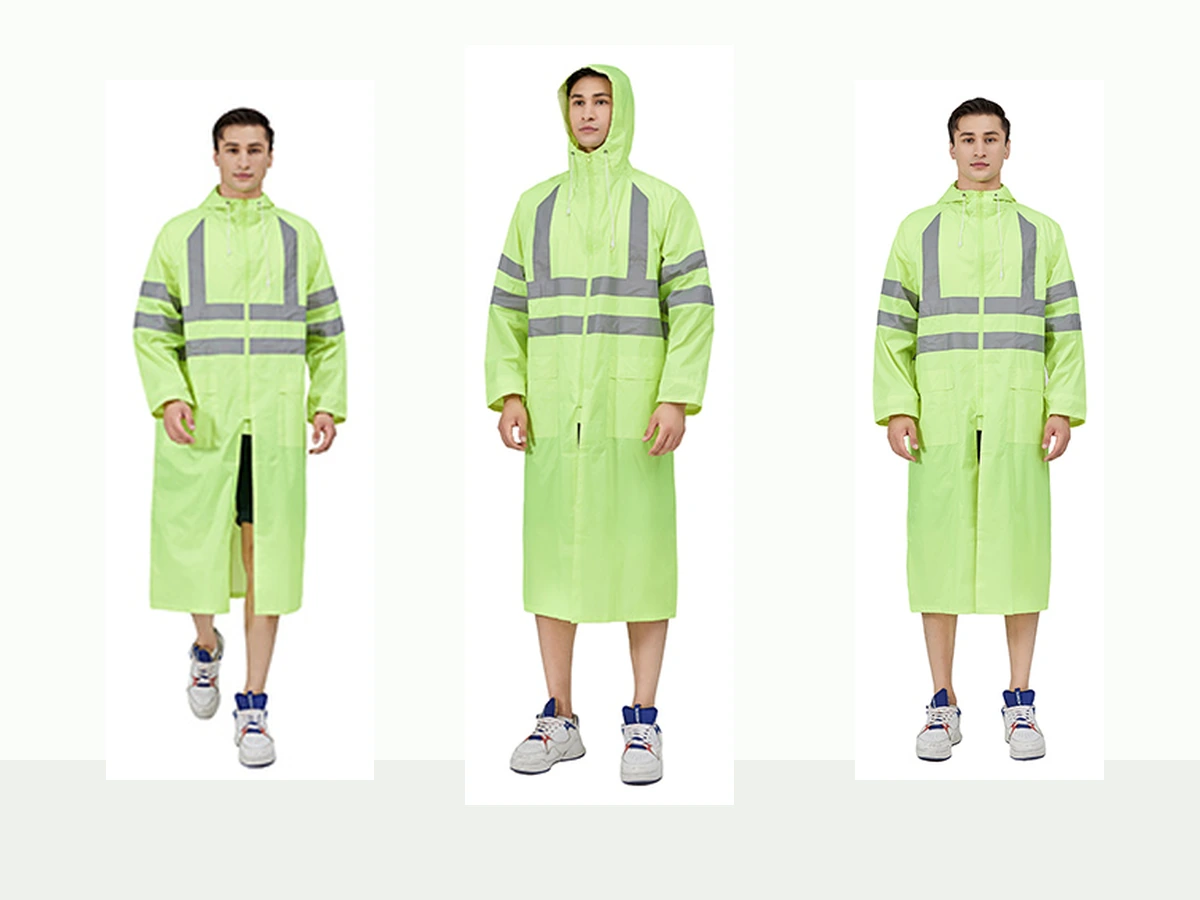
A high visibility raincoat should be selected as protective workwear first and a visible uniform second. For outdoor work crews, the right choice depends on the job site, the light condition, the reflective layout, the waterproof fabric, and the way the order will be checked before bulk production.
Buyers sourcing for road maintenance, logistics yards, utilities, waste collection, site security, and outdoor service teams usually need more than a bright shell. The garment has to stay visible after rain, spray, mud, bending, and repeated packing. It also has to fit over daily clothing without making every shift feel stiff or awkward.
That is why a high visibility raincoat order should begin with a short field-use note, then move into material, reflective tape, size, sample, and supplier checks. Chenyuan Raincoat gives buyers a useful range of rainwear references, from long raincoat styles to reflective rainsuits, so the discussion can stay close to real working conditions instead of abstract catalog wording.
What Visibility Problem Should the Raincoat Solve?
Before choosing color or tape width, buyers should define where the crew is hard to see. A loading team under warehouse lamps faces a different visibility problem from a road crew working beside passing vehicles at dusk. A harbor worker may be surrounded by dark water and wet metal, while a municipal team may stand against traffic cones, asphalt, and vehicle headlights.
Color Contrast Comes Before Decoration
Lime, yellow, and orange are popular because they separate the wearer from many outdoor backgrounds. The final color should still be checked against the actual job site. Lime may read clearly beside asphalt and concrete, while orange can stand out near vegetation or earthwork. Navy panels can hide dirt, but too much dark fabric reduces the visual signal. If uniforms need brand colors, keep the safety color as the main field and use dark panels only where wear marks are common.
Reflective Layout Needs a Real Viewing Path
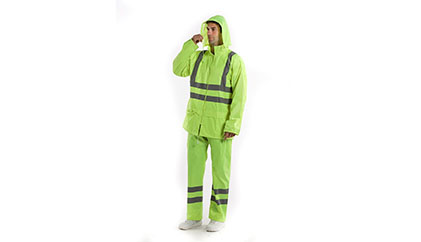
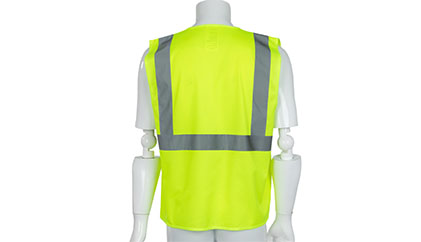
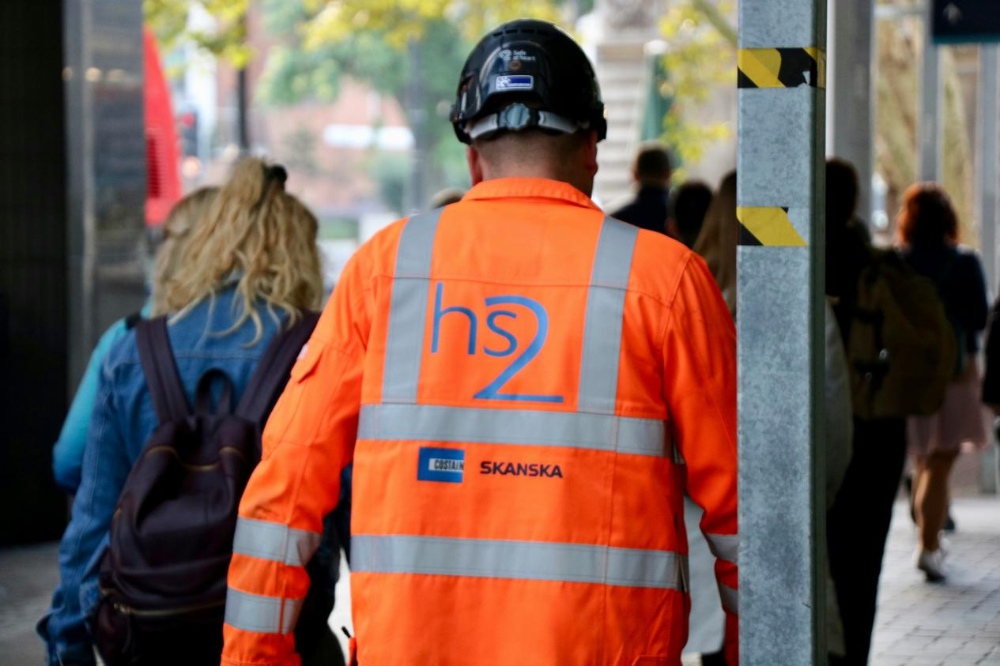
Reflective tape should be visible from the front, back, and side. Buyers often focus on the chest because it looks good in a product photo, but supervisors usually notice workers from a distance, from behind, or from a vehicle angle. A reflective raincoat for outdoor work should make the body outline easy to read when the wearer turns, lifts, or bends. Tape near the torso, sleeves, and lower hem can help the garment remain recognizable in movement.
Job Role Changes the Needed Coverage
A short jacket may work for a driver who enters and exits vehicles often. A longer raincoat gives better coverage for a gate guard, site cleaner, or maintenance worker who stands in rain for longer periods. A two-piece rainsuit can be better for workers who kneel, climb, or handle tools because trousers protect the lower body from splash. This choice should be made before the RFQ, because it affects fabric consumption, packing size, sample approval, and final quotation.
Which Waterproof Workwear Details Matter in Daily Use?
Visibility loses value when the worker takes the garment off because it is too hot, too stiff, or leaking through the seams. For bulk procurement, buyers should treat waterproof workwear as a balance between rain blocking, movement, and shift length. The sample should be tried over the same layers the crew normally wears, not only over a thin shirt in an office.
Fabric Must Match Shift Length
PVC-coated polyester is a common choice for outdoor work raincoat orders because the textile base improves strength while the coating helps block rain. For short visitor use, a lighter garment may be acceptable. For crews who bend, lift, carry, and brush against equipment, the fabric should feel strong enough at the shoulders, elbows, pocket corners, and front placket. Ask the supplier to explain the base fabric, coating, and any reinforced areas in plain terms.
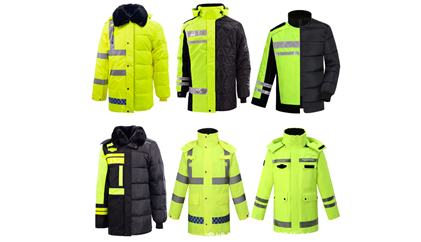
For a product reference connected to visible rainwear, buyers can review Chenyuan’s 400D Oxford cloth windproof orange winter men’s raincoat with 3m reflective strips when comparing color signal, hood coverage, fabric weight, and work-scene needs.
Seams and Closures Decide Whether Rain Gets In
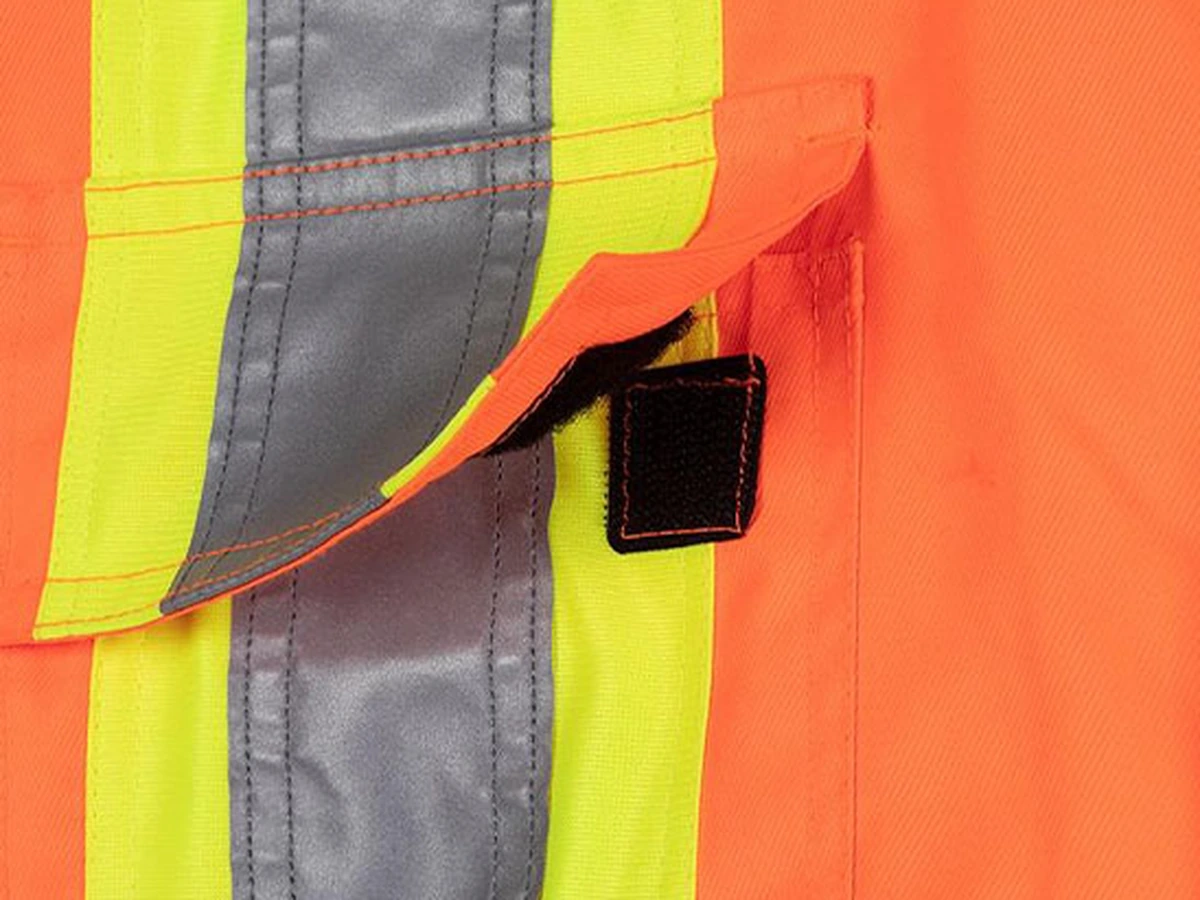
A garment can use good fabric and still fail at the stitch line. Needle holes, zipper openings, snaps, and pocket entries are common leak points. Buyers should ask how seams are treated, whether the front closure has enough overlap, and whether pockets are designed for wet outdoor work or only for appearance. In sample review, spray the shoulder and chest area, then check the inner side instead of judging only by the outer surface.
Fit Should Allow Tools and Layers
Outdoor crews rarely wear rain gear over a thin base layer only. They may have fleece, a work uniform, gloves, a radio, or a tool belt under or around the garment. The size chart should therefore include layering allowance, sleeve reach, hood depth, hem length, and fit tolerance for movement. Storage humidity and temperature should also be noted if the buyer keeps seasonal stock in a warehouse. If the order covers several job roles, ask for one size sample in the middle of the run and another near the largest size.
How Can Buyers Compare Reflective Raincoat Options Before an RFQ?
A useful RFQ does not need to be long, but it must give the supplier enough facts to quote the same garment the buyer has in mind. The table below turns the most common selection points into buyer checks. It also helps sales teams explain why one safety raincoat costs more than another without making the discussion only about unit price.
|
Selection Point |
What Buyers Should Confirm |
Why It Affects the Order |
|
Work scene |
Roadside, yard, port, utility, event, or general outdoor service use |
Defines color, reflective placement, length, and fabric strength |
|
Rain exposure |
Short showers, long standing rain, spray, or muddy splash |
Shapes coating choice, seam request, hood design, and closure overlap |
|
Visibility need |
Front, back, side, and movement visibility under likely lighting |
Prevents tape placement from looking good only in a flat catalog photo |
|
Fit and sizing |
Layering allowance, sleeve reach, hood depth, fit tolerance, and size-run quantities |
Reduces returns, complaints, and restricted movement after delivery |
|
Storage and packing |
Warehouse humidity, folding format, carton mark, stacking load, and seasonal stock plan |
Protects repeat orders from storage damage and mixed-size receiving errors |
|
Supplier proof |
Sample photos, product page match, RFQ details, lead time, and inspection method |
Keeps the quotation clear before deposit and mass production |
When buyers compare options, the goal is not to select the brightest photo. The goal is to find a reflective raincoat that matches the field risk, stays wearable through the shift, and can be repeated in future orders. Buyers can use the Chenyuan Long Raincoat category as a mid-stage reference before they lock the sample direction. If the crew uses the garment every rainy week, even small details such as cuff adjustment and hood drawcord position can influence acceptance.
Sample Review Should Copy the Work Scene
A sample looks different in a meeting room than it does near wet pavement or a work vehicle. Ask the supplier for front, back, and side photos, then review the physical sample under indoor light and darker outdoor conditions. Buyers often catch problems only when workers raise their arms, bend, step into a vehicle, and turn their head with the hood on. These simple checks reveal whether reflective tape disappears into folds or whether the hood blocks side vision.
Product References Should Stay Consistent
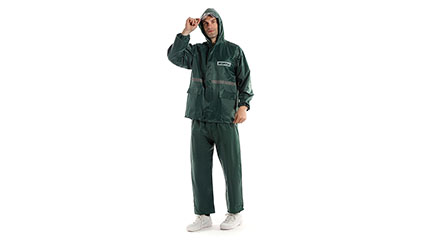
For procurement records, product images, captions, and links should point to the same item or the correct product family. If the buyer saves one raincoat image but links a different rainsuit, the team may approve the wrong sample. The Polyester PVC Hooded Waterproof Men’s Raincoat with Reflective Stripes page is a clearer reference when discussing a split reflective rainsuit rather than a long raincoat.
What Supplier Checks Reduce Bulk Order Risk?
Once the product direction is clear, the main risk moves from selection to execution. A supplier may understand the concept but still miss a tape position, size ratio, packing request, or delivery date. Buyers should keep approval points visible and simple, especially when a distributor, end customer, and factory all review the same order.
Confirm the Same Product Reference Early
Use one agreed product page or sample number as the shared base. For long raincoat programs, buyers can compare hooded, foldable, reflective, PVC, PEVA, and polyester styles without mixing them with unrelated products. Once the base is chosen, note which details are fixed and which details can change, such as color, reflective tape position, packing, or size ratio.
Keep Inspection Points Short and Visible
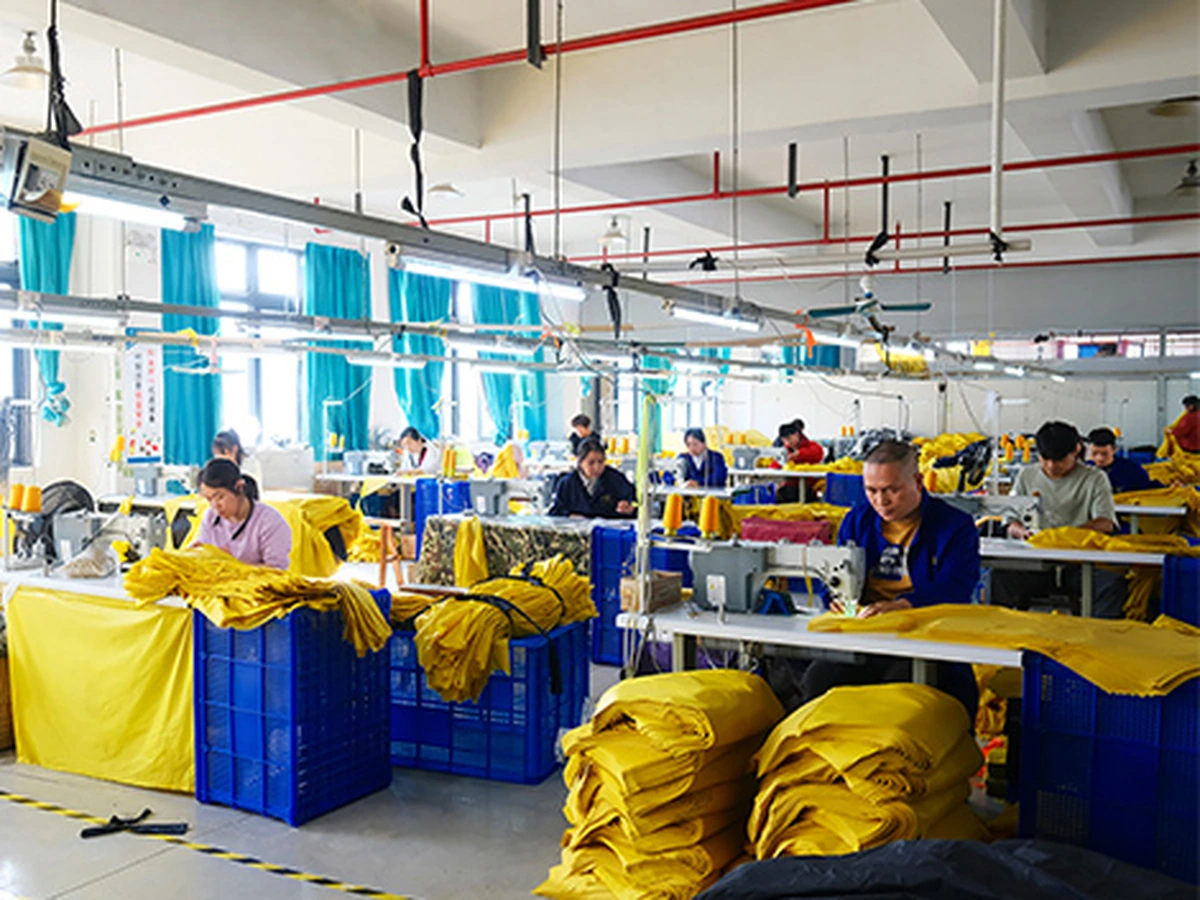
An inspection list should be practical enough for a factory worker or purchasing assistant to follow. Check color consistency, tape alignment, seam condition, closure function, visible stains, size label, packing, carton mark, storage environment, and stacking load. For safety-related project requirements, buyers should confirm the applicable local requirement, test need, and final specification by market. Do not rely on one product photo to prove suitability for every destination.
Buyers who need a confirmed order path can send their work scene, quantity, size run, color request, and sample requirement through Chenyuan Contact Us before the RFQ is finalized. This is usually faster than asking for a general catalog and then revising the quotation several times.
Conclusion
A high visibility raincoat order works best when buyers start with the work scene, not with a bright product photo. Color, reflective tape, waterproof fabric, fit, seam treatment, storage conditions, and supplier communication all affect whether the garment will be worn correctly in rain. Chenyuan Raincoat can support buyers who need outdoor work raincoat options, reflective raincoat references, and waterproof workwear discussions tied to real job-site conditions. Share the crew role, weather exposure, quantity, size run, and sample expectations early so the final safety raincoat is easier to quote, approve, and repeat.
FAQs
Q1: What should buyers check first when choosing a high visibility raincoat?
A1: Start with the work scene, lighting condition, crew movement, rain exposure, and required garment length before comparing colors or reflective tape.
Q2: Is a reflective raincoat always better than a regular waterproof raincoat?
A2: For outdoor crews near vehicles, equipment, low light, or busy yards, reflective raincoat details make the wearer easier to notice while still blocking rain.
Q3: How should buyers prepare an RFQ for outdoor work raincoat orders?
A3: Send the job role, quantity, size run, fabric preference, color, reflective layout, packing request, sample need, and delivery schedule.
 E-mail
 Whatsapp
 Leave Message
 top
top