

Inhaltsverzeichnis
Verwandte Nachrichten
Die beste Regenkleidung für Kinder 2026
Regen um 7:40 Uhr morgens stellt ein anderes Problem dar als Regen mitten in einer Familienwanderung. Auf dem Schulweg muss eine Jacke den Rucksack bedecken, im Straßenverkehr gut sichtbar sein und dem täglichen Gebrauch standhalten. Auf einem Wanderweg oder Spielplatz ist Bewegungsfreiheit wichtiger. Ein plötzlicher Schauer im Freizeitpark erfordert etwas Leichtes, das in den Tagesrucksack passt.
Deshalb sind die Besten Regenkleidung für Kinder Ein einziges Outfit ist selten universell. Stiefel und Regenhose können die Ausrüstung zwar vervollständigen, aber die äußere Schicht entscheidet über Schutz, Bewegungsfreiheit und Packmaß. Dieser Ratgeber konzentriert sich auf Mäntel, Jacken und Ponchos – die Produktarten, die von Chenyuan angeboten werden. Regenmantel für Kinder Auswahl. Die sinnvolle Wahl beginnt mit dem bevorstehenden Tag, nicht mit der umfangreichsten Funktionsliste.
Was gilt im Jahr 2026 als die beste Regenkleidung für Kinder?
Eine gute Außenschicht muss mehrere kleine Probleme gleichzeitig lösen. Sie sollte die darunterliegende Kleidung bedecken, beim Drehen oder Laufen des Kindes nicht verrutschen, das Gesicht einigermaßen freihalten und für die Zeit geeignet sein, die sie verstaut bleibt. Die Anforderungen variieren je nach Aktivität, daher muss die „beste“ Schicht einen konkreten Anwendungsfall berücksichtigen.
Beginnen Sie mit der Aktivität, nicht mit dem Produktetikett.
Für den täglichen Schulweg sollte man zunächst die Route planen. Bei Dämmerung und Morgengrauen ist es ratsam, Kleidung mit reflektierenden Details zu tragen, wenn man an Straßen entlanggeht. Ein Kind, das seine Pausen im Freien verbringt, bevorzugt möglicherweise eine eng anliegende Kleidung. Regenjacke für Kinder die beim Spielen nicht flattert. Für gelegentliche Reisen ist eine packbare Schicht Kleidung praktischer als ein dickerer Mantel, der zu Hause bleibt.
Drei Berufe decken die meisten Situationen ab:
-
Tägliche Schulausrüstung: Platz für normale Kleidungsschichten, eine sichere Kapuze und Schutz für einen Rucksack oder Schulkleidung.
-
Aktive Outdoor-Bekleidung: uneingeschränkte Armbewegungsfreiheit, Bündchen, die nicht verrutschen, und ein Verschluss, den auch ein Kind bedienen kann.
-
Tragbarer Ersatz: geringes Packgewicht, schnelles Anziehen und ausreichend Schutz bei einem unerwarteten Regenschauer.
Zwei Varianten können praktischer sein als eine: ein normaler Schulmantel an der Tür und ein Poncho im Auto oder in der Reisetasche.
Abdeckung, Sichtbarkeit und Bewegung arbeiten zusammen
Die Länge allein macht einen Mantel nicht praktisch. Ein Saum, der bis zu den Knien reicht, behindert beim Laufen und Klettern, während eine zu kurze Jacke die Hose und den unteren Teil des Rucksacks freilegen kann. Die optimale Länge hängt von der Schrittlänge, der Ärmellänge und dem Gepäck des Kindes ab.
Beobachten Sie die Kapuze, während das Kind den Kopf dreht. Ein breiter, transparenter Schirm leitet Regen vom Gesicht ab, ohne die Sicht zu behindern. Die Bündchen sollten das Eindringen von Wasser reduzieren, ohne einzuschneiden. Reflektierende Elemente sind besonders effektiv an beweglichen oder nach vorne gerichteten Stellen. Diese Details machen die Kapuze zu einem zuverlässigen Begleiter für Kinder. wasserdichte Kinderjacke Lässt sich auch nach dem ersten Regentag leichter tragen.
Regenjacken und Regenmäntel für den Schulweg
Schulmorgen decken Schwächen im Design schnell auf. Kinder tragen Taschen, warten an Zebrastreifen, steigen in Autos und ziehen oft ohne große Hilfe ihre Regenkleidung an. Die besten Schulsachen sind nicht einfach nur die dicksten. Sie sorgen dafür, dass die Ladung gut geschützt ist, das Verdeck sicher sitzt und die Kinder die Hände frei haben.
Längere Reichweite für Rucksäcke und tägliche Routen
Ein längerer Mantel eignet sich gut für einen gemütlichen Spaziergang mit vollem Rucksack. Fehlt der Platz für die Last, rutscht der Mantel hoch und gibt den Unterkörper frei. Ein integriertes Rucksackfach ist besser, als eine viel größere Größe zu kaufen, bei der Ärmel und Schultern zu locker sitzen.
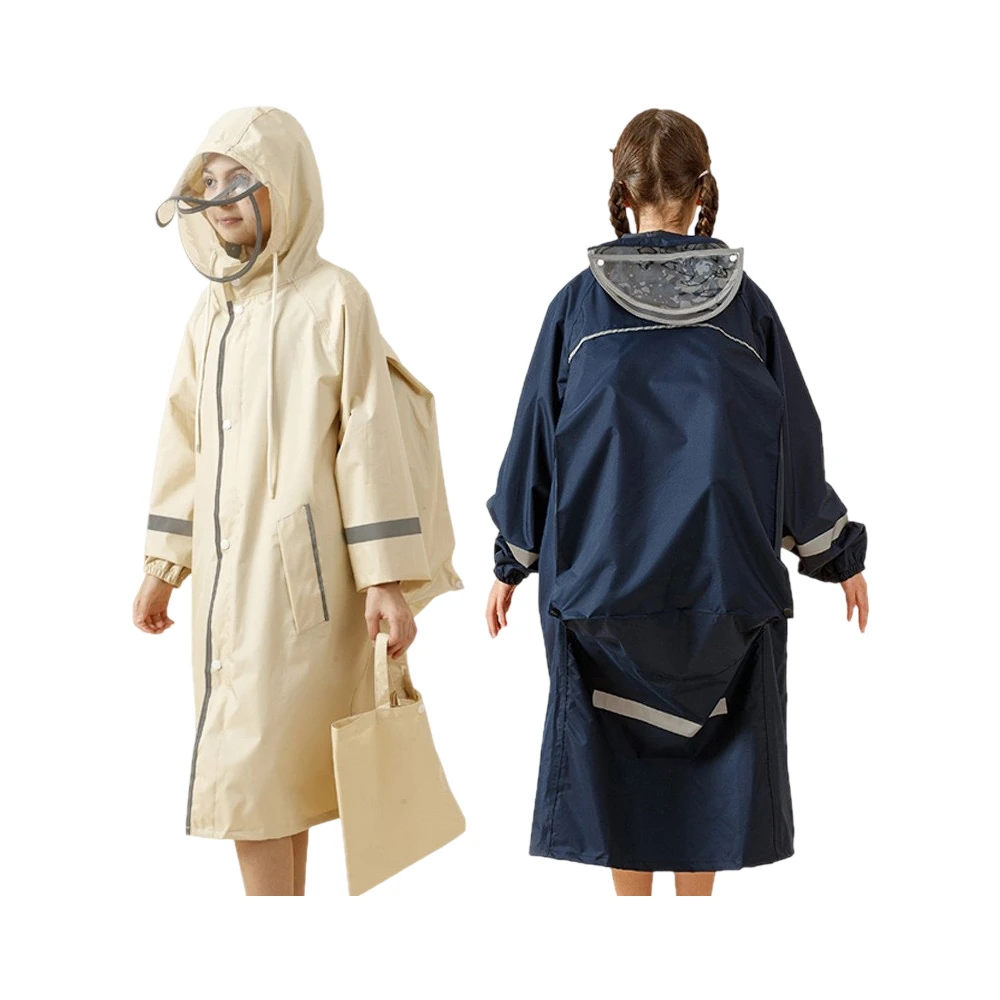
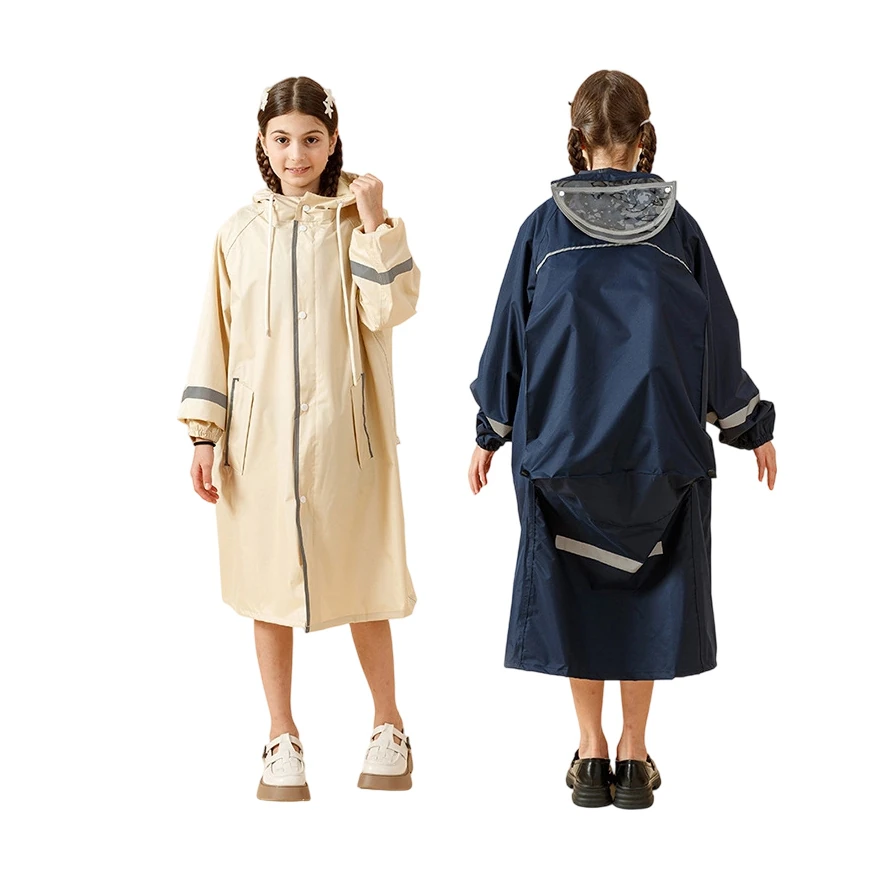
Chenyuans Poly Pongee Regenmantel für Kinder Die Jacke verfügt über ein integriertes Rucksackfach, elastische Bündchen, wasserdichte Seitentaschen, eine innenliegende Windschutzleiste und verstellbare Kordelzüge. Ein passender Aufbewahrungsbeutel ist ebenfalls enthalten. Diese Details sind ideal für den Schulalltag: Bücher bleiben unter der Jacke, kleine Gegenstände haben ihren Platz und nach dem Regen lässt sich die Jacke einfach zusammenfalten.
Reflektierende Details für Pendelfahrten bei schlechten Lichtverhältnissen
Reflektierendes Material ersetzt nicht die Aufmerksamkeit im Straßenverkehr, aber die Position beeinflusst, wie gut eine Jacke die Aufmerksamkeit auf sich zieht. Bei diesem Modell verlaufen Streifen entlang der Knopfleiste, der Ärmelbündchen und der Kapuze. Die Ärmelbündchen bewegen sich beim Gehen eines Kindes, während Kapuze und Vorderseite in gängige Blickwinkel ausgerichtet sind. Diese Verteilung ist effektiver als ein einzelner kleiner, versteckter Streifen auf der Rückseite.
Der Mantel verfügt über eine breite, transparente, doppellagige Krempe, die die Sicht nach vorn freihält. Da das Rucksackfach die Passform verändert, sollte das Muster mit einem gepackten Schulranzen anprobiert werden.
Eine praktische Schule und ein Angebot im Freien
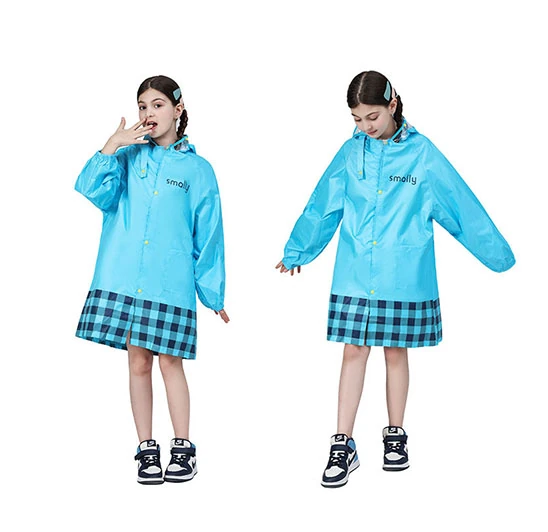
Manche Kinder benötigen weniger Volumen im hinteren Bereich und mehr Kontrolle im Bereich der Motorhaube. Polyester-Kinderregenmantel Die Jacke hat eine breite, transparente Krempe, Befestigungsriemen für die Kapuze und einen Knopf- und Reißverschluss. Elastische Bündchen halten die Ärmelöffnungen eng an und ermöglichen gleichzeitig Bewegungsfreiheit für die Hände. In den Taschen können Kinder kleine Dinge verstauen. Der karierte Saum setzt einen schönen Akzent, ohne die Grundform zu verändern.
Dieser Stil eignet sich für Schulgelände, kurze Spaziergänge und Outdoor-Aktivitäten ohne großen Rucksack. Regenjacke für KinderVergleichen Sie die Kniefreiheit bei einem tiefen Schritt und die Kopfbewegung, während das Kind nach links und rechts schaut.
Ponchos und leichte Ersatzausrüstung für Reisen und Veranstaltungen
Ein gepackter Poncho löst ein anderes Problem: Die Wettervorhersage hat sich geändert, die Warteschlange ist ungeschützt oder der Campingplatz liegt weitab vom Wind. Schneller Schutz und einfache Aufbewahrung sind wichtiger als eine enge Passform. Dieser Kompromiss ist sinnvoll, wenn der Poncho die meiste Zeit in einer Tasche verbringt.
Wenn Packbarkeit wichtiger ist als eine maßgeschneiderte Passform
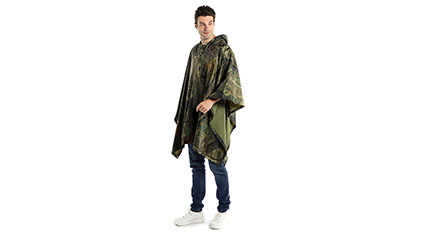
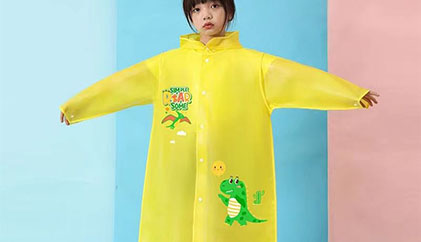
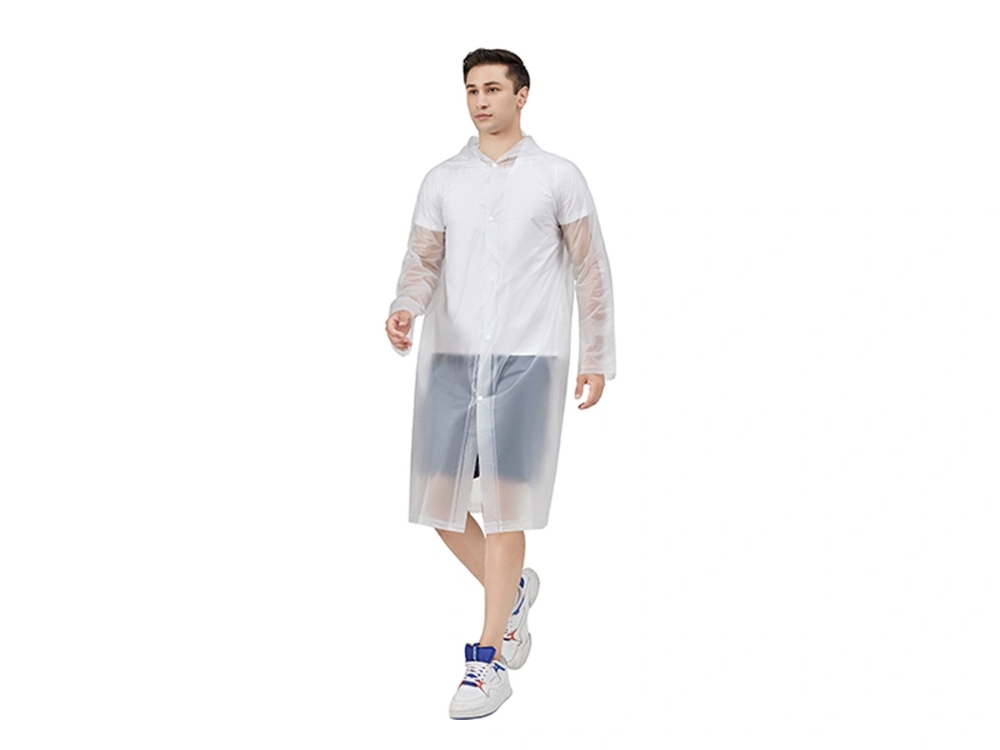
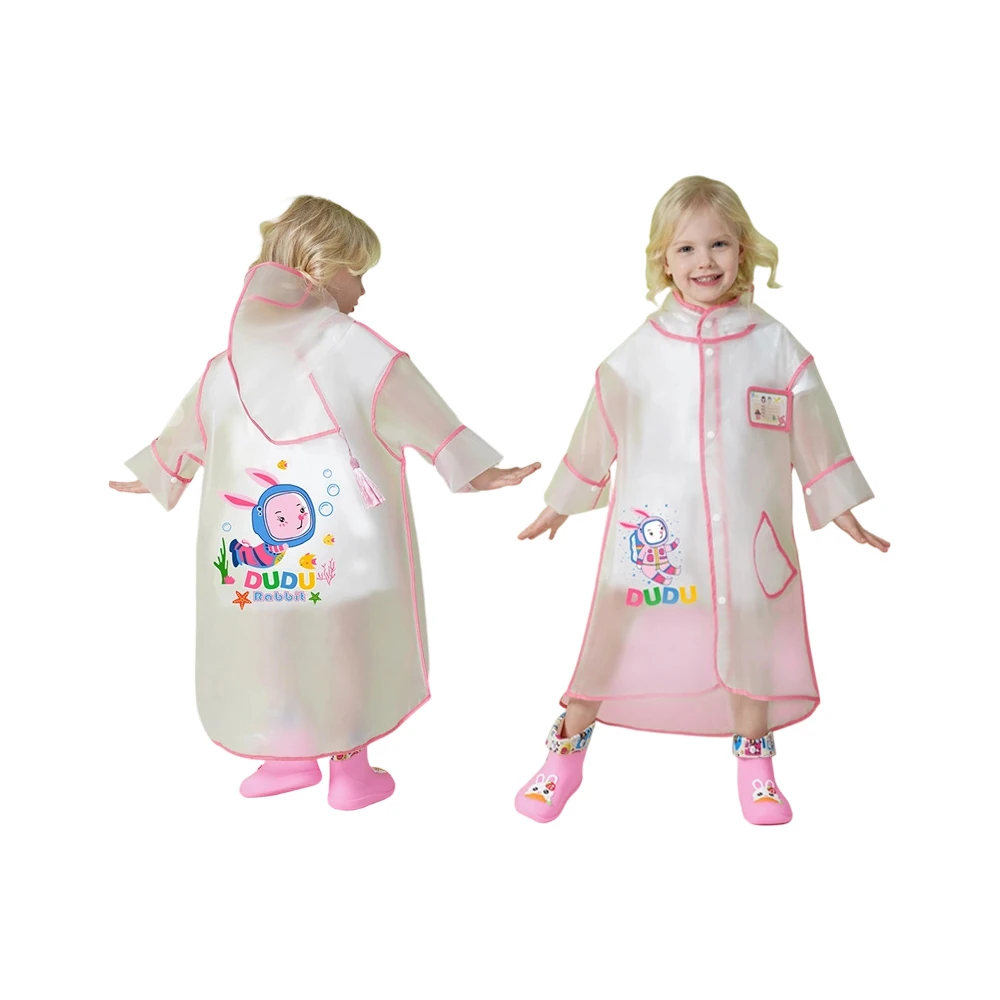
A Regencape für Kinder Lässt sich schnell und unkompliziert über normale Kleidung ziehen, ohne dass die Ärmel kompliziert sitzen. Ideal für Freizeitparks, Ferienlager, Outdoor-Veranstaltungen, Familienausflüge und sogar für die Regentasche im Auto. Dank des auffälligen Aufdrucks ist es auch dann leicht zu erkennen, wenn mehrere Kinder gleichzeitig umziehen.
Beurteilen Sie auch die Packbarkeit nach dem Gebrauch. Der Poncho sollte sich leicht zusammenfalten lassen, und seine nassen Oberflächen benötigen einen separaten Beutel oder ein Fach getrennt von Büchern und Lebensmitteln.
Was ein Poncho nicht ersetzt
Weite Bedeckung hat ihre Grenzen. Offene Seiten und ein breiter Saum bewegen sich im Wind, und überschüssiger Stoff kann beim Klettern, Radfahren oder Toben auf dem Spielplatz stören. Auch die Bedeckung der Unterschenkel verändert sich mit den Bewegungen des Kindes.
Wählen Sie für längere, aktive Touren oder exponierte Strecken einen taillierten Mantel. Der Poncho eignet sich für schnelles Anziehen, moderate Bewegungen und kurze Regenschauer. Ein leichter Ersatzmantel sollte nicht für einen ganztägigen Einsatz ausgelegt sein.
Eine tragbare EVA-Option
Der EVA Kinderponcho Das Modell wiegt in der aktuellen Ausführung 170 g und ist in den Größen S bis 2XL erhältlich. Die verfügbaren Designs umfassen Hase, Dinosaurier, Zug, Auto, Nilpferd, Junge und Katze. Ein breiter, transparenter Rand sorgt für freie Sicht, während kleine Seitentaschen praktischen Stauraum für die Hände bieten.
Diese Kombination eignet sich für Reisen und gelegentlichen Gebrauch: Das Kleidungsstück ist leicht genug, um als Ersatzkleidung zu dienen, und der Aufdruck macht es Kindern gleichzeitig attraktiv. Bei Gruppenbestellungen verwenden Sie bitte die tatsächlichen Maße für Körper, Rücken und Ärmellänge und verlassen Sie sich nicht nur auf die Größenangabe. Auf der Produktseite wird eine Messtoleranz von 1–2 cm angegeben.
Material- und Passformdetails, die über die Wiederverwendung entscheiden
Das Materialetikett allein reicht nicht aus. Konstruktion, Nutzung, Aufbewahrung und Passform entscheiden darüber, ob ein Kleidungsstück wiederverwendet werden kann. Beginnen Sie mit der Tragehäufigkeit und den Anforderungen an die Abdeckung.
Die Materialkonstruktion sollte der Tragefrequenz angepasst werden.
Poly-Pongee eignet sich für einen strukturierten Alltagsmantel mit Rucksackfach, Taschen, Bündchen und reflektierenden Elementen. Modelle aus Polyester bieten verstellbare Verschlüsse und eine eng anliegende Kapuze. EVA ist ideal für einen leichten, faltbaren Poncho mit verspielten Mustern. Dies sind unterschiedliche Produktfunktionen, keine Materialrangfolge.
Bei häufigem Tragen sollten Verschlüsse, Bündchenbefestigungen, Taschenränder, Kapuzenverbindungen und Belastungspunkte am Rucksack überprüft werden. Bei Ersatzgebrauch sollte das Zusammenfalten und Wiederöffnen nach der Lagerung getestet werden. wasserdichte Kinderjacke Das sieht zwar auf einem Kleiderbügel gut aus, muss aber noch über einem Sweatshirt und der eigentlichen Tasche des Kindes funktionieren.
Passform an echter Kleidung prüfen.
Versuchen Sie, Regenkleidung über die dickste verfügbare Schicht zu ziehen. Bitten Sie das Kind, sich nach vorne zu beugen, beide Arme zu heben, den Kopf zu drehen, sich hinzusetzen und einen großen Schritt zu machen. Die Schulter sollte nicht spannen, das Bündchen sollte nah am Handgelenk bleiben und die Kapuze sollte nicht in die Augen ragen. Wiederholen Sie den Test gegebenenfalls mit einem teilweise gefüllten Rucksack.
Verzichten Sie auf zu viel Spielraum zugunsten von Kontrolle. Ärmel, die die Hände bedecken, und eine Kapuze, die das Gesicht verdeckt, machen ein wasserdichtes Kleidungsstück unangenehm. Vergleichen Sie die Maße des Kleidungsstücks mit einem gut sitzenden Mantel und addieren Sie dann den tatsächlich benötigten Spielraum für weitere Schichten.
Planen Sie einen stimmigen Produktmix
Einzelhändler, Schulen, Ferienlager und Outdoor-Programme profitieren in der Regel mehr von drei klar voneinander abgegrenzten Produkten als von vielen nahezu identischen Modellen: einer reflektierenden, rucksacktauglichen Schuljacke, einer eng anliegenden Kapuzenjacke für sportliche Aktivitäten und einem bedruckten Poncho als Ersatzkleidung. Das Personal kann diese Produktpalette in einem Satz erklären, und Familien verstehen sofort, warum jedes einzelne Kleidungsstück existiert.
Chenyuans aktueller Poly-Pongee-Mantel und der bedruckte EVA-Poncho bieten beide die Möglichkeit zur individuellen Logoanbringung, eine Mindestbestellmenge von 2.000 Stück und eine übliche Mustererstellungszeit von 7–15 Tagen. Da die Größensysteme unterschiedlich sind, müssen die endgültige Maßtabelle, Farbe oder Druck, Platzierung von Reflektoren, Verschluss, Logoposition und Verpackungsmethode anhand des ausgewählten Musters freigegeben werden. Chenyuan beschreibt außerdem einen Qualitätsprozess, der die Freigabe von Vorproduktionsmustern, laufende Kontrollen und eine Endkontrolle nach dem Verpacken der Ware umfasst.
Schlussfolgerung
Die beste Wahl hängt davon ab, welches Wetter an einem Regentag zu erwarten ist. Ein längerer, rucksacktauglicher Mantel eignet sich für den täglichen Schulweg. Eine Kapuze mit verstellbarem Rand und engerer Passform sind besser für aktive Nachmittage. Ein leichter, bedruckter Poncho ist ideal als Ersatzkleidung für Reisen oder besondere Anlässe. Beginnen Sie mit dieser Wahl und überprüfen Sie Kapuze, Bündchen, Saum, Sichtbarkeit und Passform über der normalen Kleidung.
Chenyuan Das Unternehmen produziert und exportiert seit über 19 Jahren Regenmäntel. Das Kindersortiment umfasst unter anderem Mäntel aus Poly-Pongee, Modelle mit Kapuze aus Polyester und EVA-Ponchos. Diese Vielfalt ermöglicht eine umfassende Planung. Regenkleidung für Kinder Orientieren Sie sich an der realen Anwendung statt an einem einzigen generischen Design. Für Größenangaben, Muster, Logoplatzierung oder ein gemischtes Kindersortiment, Kontaktieren Sie Chenyuan mit Angabe der geplanten Aktivität, der Altersgruppe, der Bestellmenge und des angestrebten Liefertermins.
Häufig gestellte Fragen
Frage 1: Ist eine Regenjacke oder ein Poncho besser für die Schule?
A1: Eine eng anliegende Kinderregenjacke eignet sich für aktive Tage; ein Poncho ist besser als schnelle Alternative bei kurzen Schauern geeignet.
Frage 2: Was sollten Kinder unter einer wasserdichten Jacke tragen?
A2: Tragen Sie zunächst normale Kleidungsschichten für die jeweilige Jahreszeit und testen Sie anschließend die wasserdichte Kinderjacke auf freie Armbewegung und sicheren Sitz der Bündchen.
Frage 3: Wie sollte eine Schule oder ein Einzelhändler die Regenbekleidungsmischung für Kinder auswählen?
A3: Kombinieren Sie einen Alltagsmantel, eine Funktionsjacke und einen Regencape für Kinder, sodass jedes Kleidungsstück einen klar definierten Verwendungszweck hat.
 E-Mail-Adresse
 von Whatsapp
 Nachricht hinterlassen
 oben
oben