

Содержание
Связанные новости
Дождевик, пончо или дождевой костюм? Что лучше защитит от дождя?
Десятиминутная прогулка от вокзала — это одно дело. Час в пути на мотоцикле — совсем другое. Как и дождливый день в кемпинге с рюкзаком на плечах.
Пальто, пончо и костюм-двойка могут продаваться как водонепроницаемая одежда от дождя, но на улице они ощущаются совершенно по-разному.
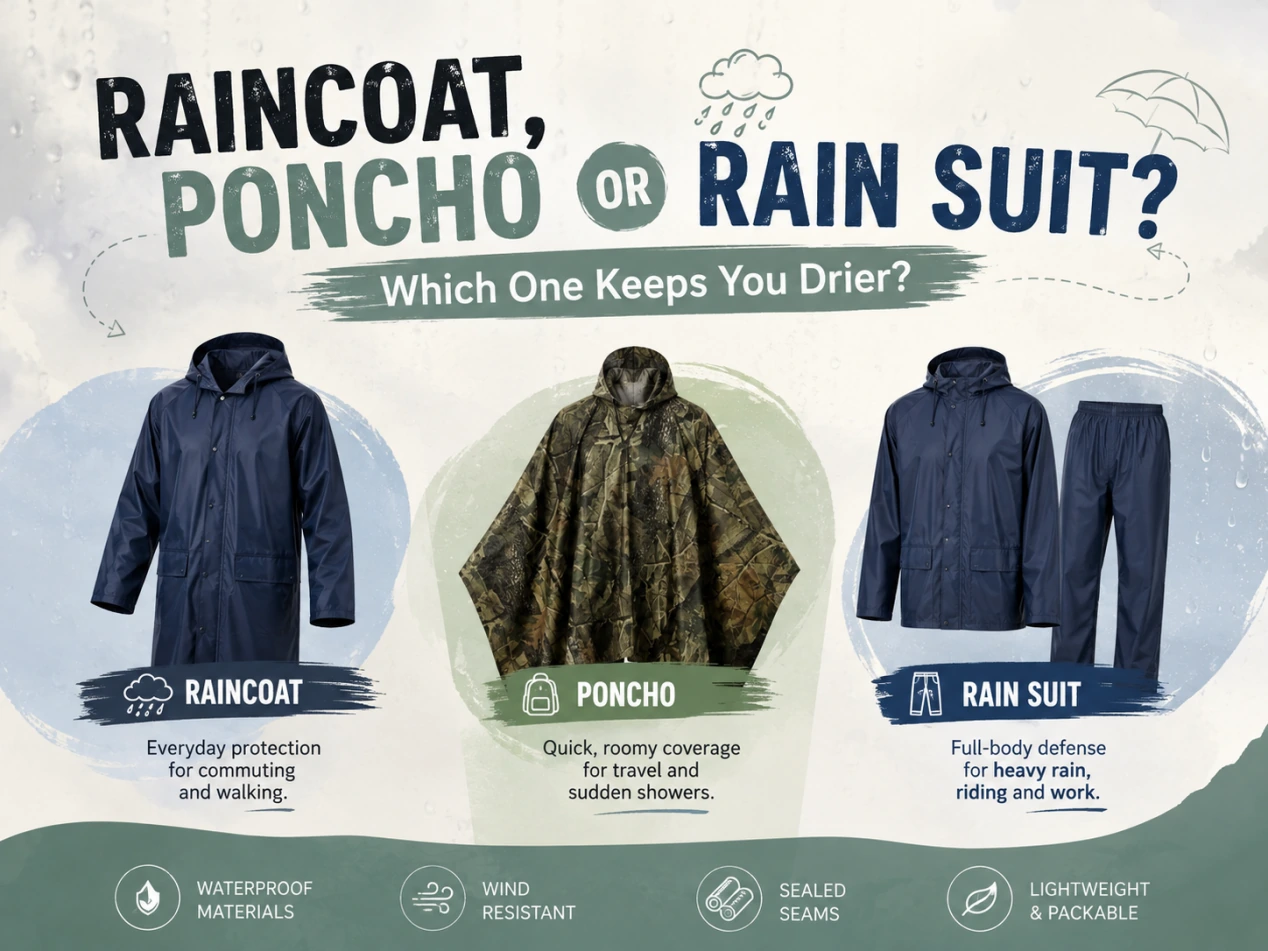
Для прогулки по городу многие, не задумываясь, надевают дождевик. Он носится как обычная куртка и не требует особой регулировки после того, как его надели. Пончо полезно и в другом отношении. Его можно сложить и положить на дно рюкзака на большую часть дня, а достать, когда начнётся дождь. Для длительного пребывания на открытом воздухе начинают пригодиться отдельные дождевые брюки, особенно когда вода начинает доходить до нижней части ног.
Поэтому ткань не должна быть первым и единственным критерием сравнения. Прежде чем рассматривать покрытие или толщину, представьте себе человека, который действительно носит эту одежду. Идет ли он на работу пешком, несет рюкзак, едет на мотоцикле или проводит большую часть смены на улице?
В чём на самом деле разница между дождевиком, пончо и дождевым костюмом?
Большая часть различий обусловлена способом кроя каждого изделия.
Дождевик облегает тело так же, как и большинство людей ожидают от повседневной верхней одежды. Рукава остаются внутри рукавов, передняя часть застегивается на одном месте, и одежда, как правило, достаточно устойчива при ходьбе.
Дождевик имеет меньше ограничений. Он накидывается на плечи, оставляя больше места для одежды или багажа. Это дополнительное пространство может быть полезно, особенно когда нужно накрыть рюкзак, не меняя при этом свою одежду.
В случае с дождевым костюмом важное дополнение находится ниже пояса. Преимущество может показаться незначительным во время быстрой пробежки через парковку. Однако, если оставаться на улице дольше, сухая верхняя одежда не принесет особого комфорта, если обычные брюки последние полчаса находились под дождем.
Почему водонепроницаемая ткань может оставить человека мокрым?
Вода часто проникает в места, где заканчивается ткань.
Запястье — распространённый пример. То же самое касается выреза горловины. Пиджак также может слегка приподниматься, когда кто-то тянется вперёд, оставляя небольшой зазор над брюками. Ни одна из этих проблем не обязательно означает, что сама ткань испортилась.
Поэтому для корректного сравнения дождевой одежды необходимо учитывать все ее характеристики, включая застежки и то, как она сидит на теле.
Что делать на практике, если дождь продлится всего несколько минут?
Предположим, кто-то выходит из отеля и направляется на вокзал, и замечает, что за окном начинается дождь. Дорога короткая. Возможно, у него нет причин брать с собой куртку и непромокаемые брюки на весь оставшийся день только ради этих пятнадцати минут.
В подобных ситуациях чаще всего используется самый простой вариант.
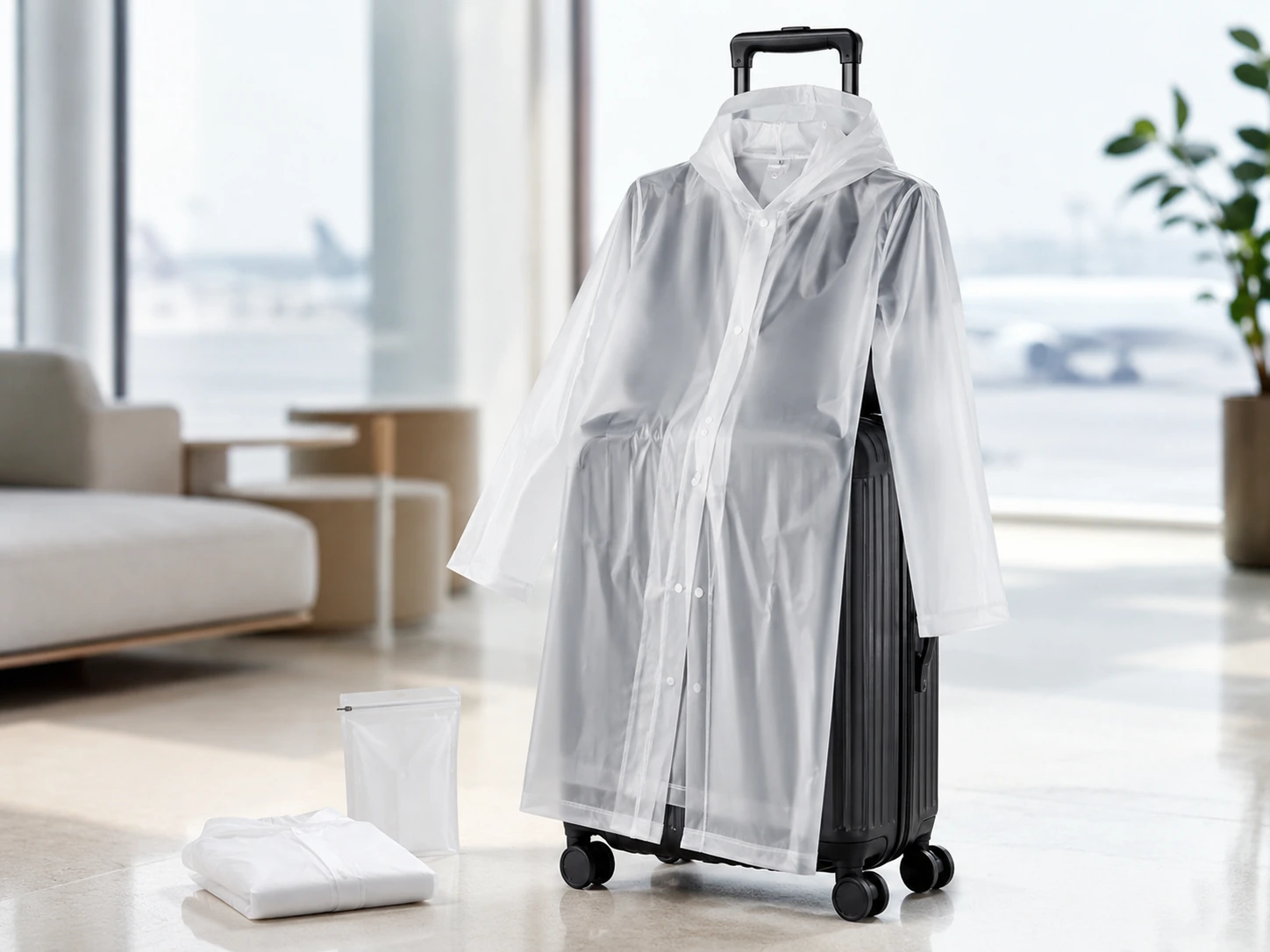
Почему люди хранят дождевик в сумке?
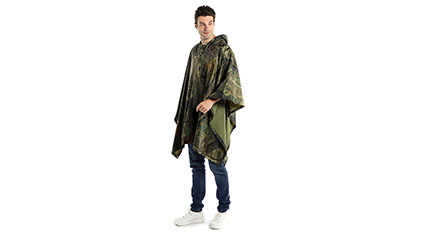
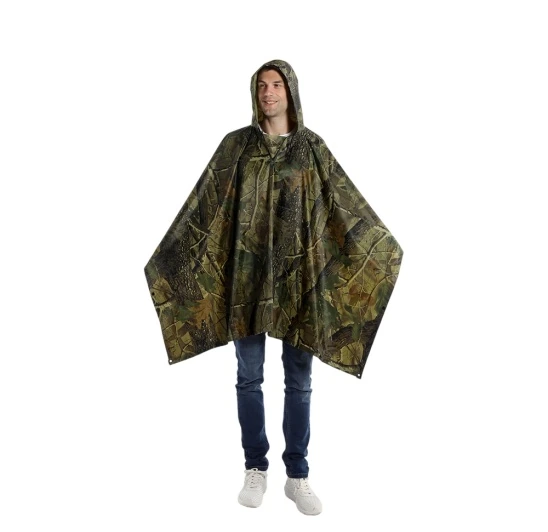
Пончо не требует от своего владельца практически ничего. Достаньте его, наденьте на голову и продолжайте идти. Под ним остается обычная одежда, а свободный крой позволяет разместить даже небольшой рюкзак.
Однако у этого удобства есть свои пределы. При усилении ветра свободная ткань может смещаться вокруг тела. Во время длительного пребывания на открытом воздухе открытый крой также может быть менее предсказуемым, чем у облегающего пальто. Если дождь продолжается достаточно долго, и основной проблемой становятся ноги, то отдельные водонепроницаемые брюки становятся более целесообразными.
Другими словами, пончо — это не просто облегченная версия дождевика или дождевого костюма. Оно полезно, потому что решает другую проблему: быстро укрыться, не таская с собой много снаряжения.
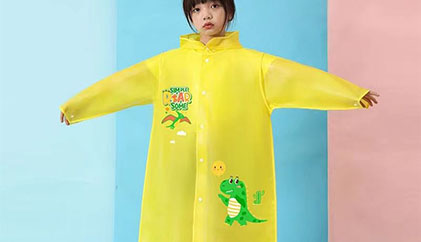
Компания Chenyuan производит многоразовые пончо из полиэстера/ПВХ и полиэстера/ПУ, а также из других материалов для дождевой одежды. Покупатели, сравнивающие различные конструкции, могут Изучите варианты дождевых пончо Chenyuan..
Почему дождевик кажется более удобным для повседневного использования?
Большинство людей уже знают, как должно двигаться пальто.
Рукава повторяют форму предплечий, застежка спереди остается примерно на том же месте, и по бокам меньше свободной ткани. Такая привычность помогает при использовании одежды для поездок на работу, выполнения поручений, прогулок с собакой или обычных работ на открытом воздухе.
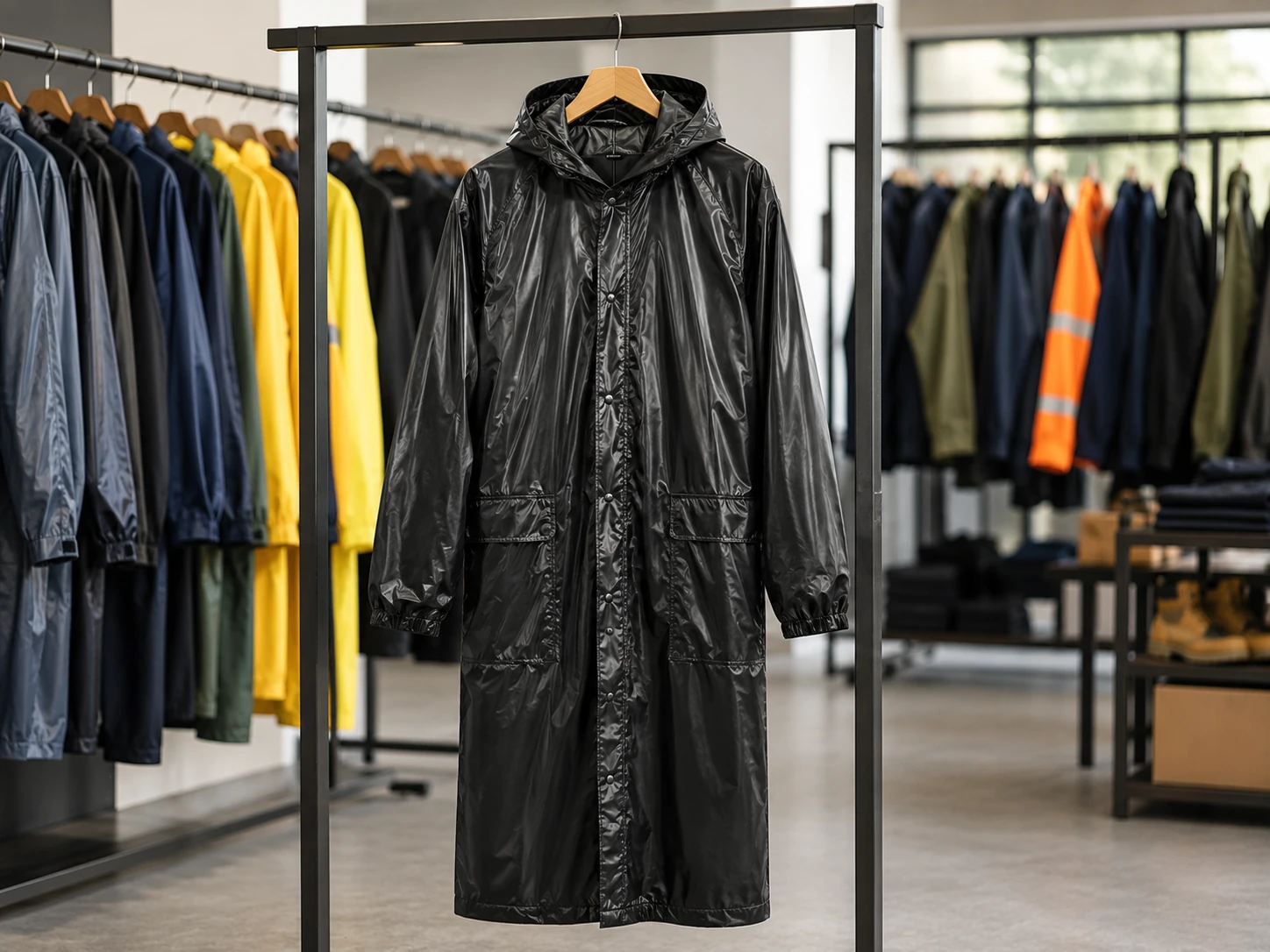
Длина также влияет на ощущения. Короткий водонепроницаемый дождевик в основном закрывает верхнюю часть тела. Более длинный вариант доходит до низом, не требуя от владельца надевать дождевые брюки.
В каких случаях длинный дождевик может быть более полезен?
Прогуляйтесь двадцать минут под непрекращающимся дождем. Короткая куртка, возможно, и защитит рубашку под ней от влаги, но вода будет продолжать попадать на верхнюю часть ног на протяжении большей части пути.
Более длинное пальто закрывает большую часть этой области. Для человека, идущего на работу пешком или перемещающегося между зданиями, этой дополнительной длины может быть достаточно, чтобы не превращать наряд в полноценный дождевик.
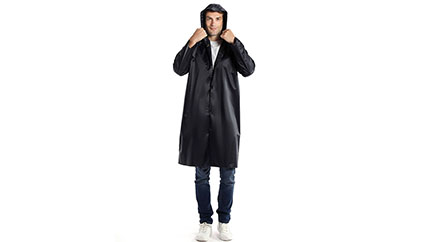
В обширном ассортименте дождевиков Chenyuan представлены модели из ПВХ, полиэстера/ПВХ, ПЭВА и ЭВА. Некоторые модели разработаны с учетом портативности, в то время как другие используют более прочные материалы с покрытием для многократного использования на открытом воздухе. Покупатели могут сравнить модели длинных дождевиков Chenyuan.
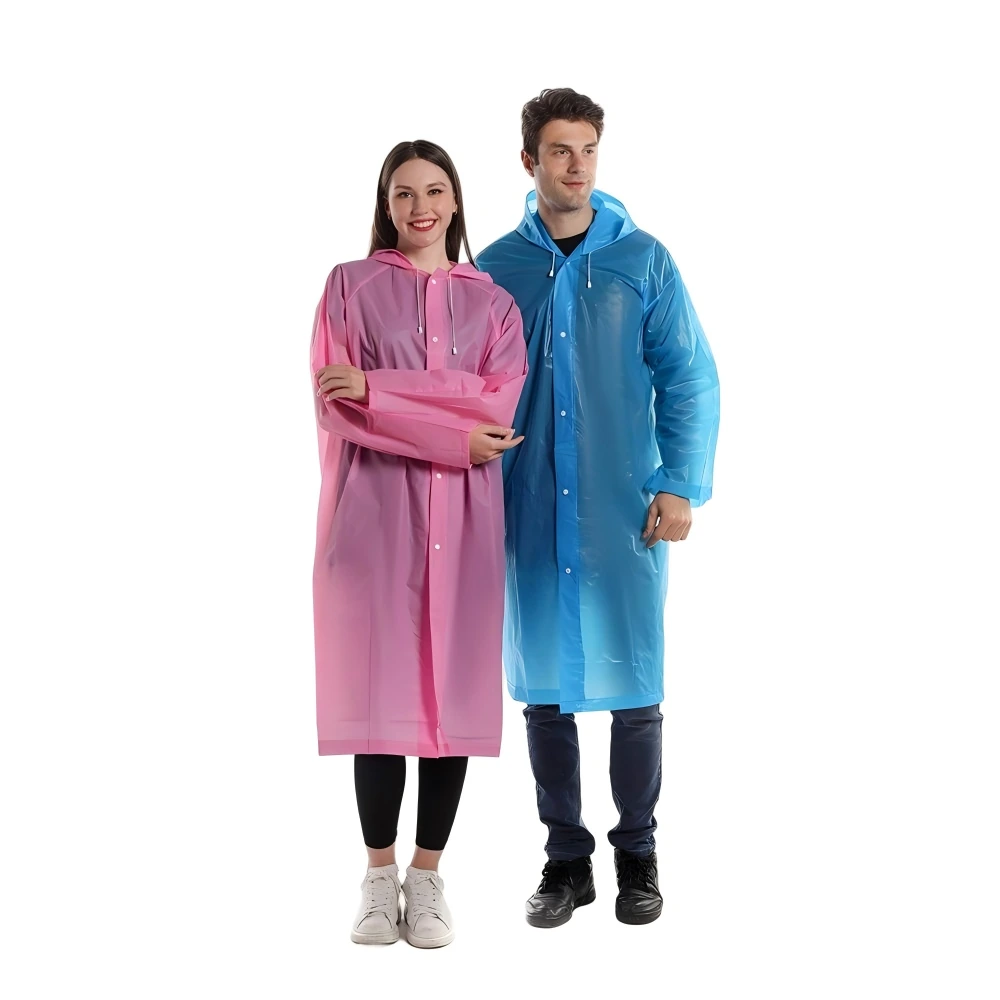
Куртку все равно нужно примерить с одеждой, которую вы будете надевать под нее. Размер, который удобно сидит поверх футболки, может стать тесным в плечах, если надеть свитер, униформу или куртку.
Подол также должен оставлять достаточно места для обычной походки. Дополнительная длина не поможет, если владельцу придется укорачивать каждый шаг.
Что меняется после часа непрерывного дождя?
Время выявляет то, что не успевает показать короткий душ.
Края рукавов дольше остаются влажными. Вода постоянно попадает на переднюю застежку. Владелец наклоняется, садится, поднимает предметы и меняет направление движения. Между тем, обычные брюки могут оставаться открытыми с начала дождя.
В этой ситуации дождевой костюм начинает выглядеть менее излишним.
Почему дождевики влияют на результат?
Теперь куртка не обязательно должна обеспечивать полную защиту.
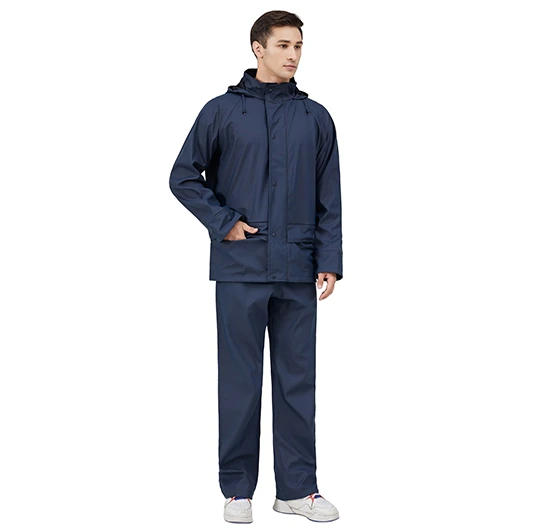
Для езды на мотоцикле, рыбалки, работы на открытом воздухе и других длительных мероприятий в дождливую погоду водонепроницаемые брюки защищают те участки тела, до которых не может добраться куртка.
Здесь особенно важна посадка. Если пиджак приподнимается, когда человек наклоняется вперед, значит, выше пояса брюк должно быть достаточное нахлест. Длину брюк также следует проверять, согнув колени, а не только стоя.
Человек, покупающий дождевой костюм для езды на мотоцикле, очень быстро обнаружит, что брюки, которые кажутся достаточно длинными перед зеркалом, на мотоцикле будут сидеть гораздо выше.
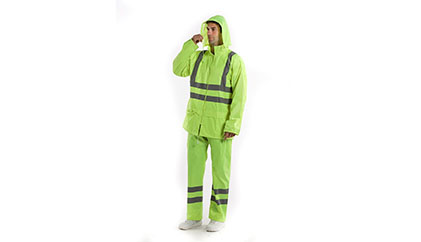
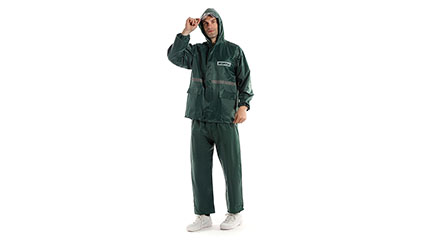
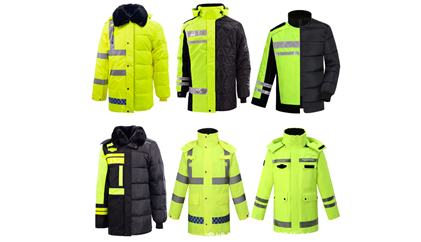
Компания Chenyuan предлагает дождевые костюмы из полиэстера/ПВХ, полиуретана, ПВХ и ткани Оксфорд, а также светоотражающие и другие модели для активного отдыха. Покупатели, ищущие комплекты из куртки и брюк, могут выбрать подходящий вариант. Обзор вариантов дождевых костюмов Chenyuan.
Что происходит, когда поднимается ветер?
Ветер может изменить ощущения от дождевика за считанные минуты.
У пончо свободная нижняя часть обеспечивает больше свободы движений. Порыв ветра может приподнять одну сторону или прижать одежду к телу. Это может не иметь значения во время короткой прогулки, но становится более заметным на открытой местности, при езде на велосипеде или на строительной площадке.
Дождевик более облегающего кроя, как правило, лучше прилегает к телу. Дождевой костюм обеспечивает то же самое в области ног, хотя ему все равно необходимо достаточно места для наклонов и движений руками.
Капюшон заслуживает отдельной проверки. Большой капюшон может выглядеть внушительно, когда человек стоит неподвижно, но сильный ветер может заставить его смещаться вокруг головы. Человек должен иметь возможность поворачиваться и смотреть в сторону, не поправляя постоянно капюшон.
Манжеты — еще одна небольшая деталь, которая меняется в зависимости от активности. При езде на мотоцикле руки, вытянутые вперед, открывают пройму рукава иначе, чем руки, свободно свисающие во время ходьбы.
Что, если вы несёте рюкзак, инструменты или дополнительную одежду?
Рюкзак может полностью изменить ответ.
Просторный дождевик может закрывать как того, кто его носит, так и рюкзак. При ношении облегающего дождевика рюкзак, скорее всего, придется оставлять снаружи, если только размер дождевика не был рассчитан с учетом рюкзака.
Ветер может изменить предпочтения. Тот, кто пересекает открытый горный хребет, может решить, что контролировать свободно свисающее дождевик сложнее, чем дополнительная защита от ветра, обеспечиваемая рюкзаком.
Аналогичная проблема возникает и при работе на открытом воздухе. Ткань, свисающая по бокам или на рукавах, может быть неудобной, когда пользователю необходим частый доступ к оборудованию.
Холодная погода влияет на размер одежды более незаметно. Дождевик или дождевой костюм, предназначенный для ношения поверх зимней одежды, должен быть свободнее, чем тот, который надевается поверх рубашки летом.
Выбор размера становится практически невозможным, пока покупатель не определится с тем, что будет носить под одеждой.
Влияет ли материал на то, какой стиль лучше подходит?
Материал по-прежнему имеет значение. Просто он не должен определять весь продукт до того, как станет известен сценарий его использования.
Компания Chenyuan использует полиэстер/ПВХ в различных дождевиках, пончо и дождевых костюмах. Полиэстер/ПУ также применяется в одежде для активного отдыха от дождя, а более широкий ассортимент включает ткани EVA, PVC и Oxford.
Почему два похожих дождевика могут ощущаться так по-разному?
Возьмите два длинных дождевика примерно одинакового силуэта.
Легкий плащ из PEVA может большую часть времени храниться в сложенном виде в сумке. Более плотный плащ из полиэстера с покрытием, скорее всего, будет ощущаться по-другому при развешивании, складывании и перемещении на теле.
Ни одно из этих различий не означает, что один продукт автоматически заменяет другой.
То же самое относится к водонепроницаемому дождевику или дождевику. Информация о материале становится полезной, когда покупатель определяет, что для него важнее: портативность, возможность многократного использования, вес изделия или более полная защита.
Какой вариант вы бы выбрали в эти дождливые дни?
Для поездка до города занимает десять минут.Длинный дождевик — это простой и понятный выбор. Нет необходимости менять брюки, и при этом он обеспечивает большую защиту, чем короткая куртка.
В тематический парк, где постоянно начинаются и прекращаются ливниНосить с собой дождевик гораздо разумнее. Большую часть дня он лежит в сложенном виде и его нужно доставать лишь на короткое время.
A Поездка на мотоцикле под непрекращающимся дождем Это меняет решение. Согнутые колени и вытянутые вперед руки обнажают участки тела, которые гораздо менее важны при ходьбе. Именно поэтому непромокаемый костюм заслуживает серьезного внимания.
В кемпинг с большим рюкзакомОтвет может быть любым. Пончо может накрыть рюкзак. Дождевик может показаться удобнее, когда поднимется ветер.
Для длительная смена на открытом воздухеНоги тоже нельзя игнорировать. Дождевик или рабочая водонепроницаемая одежда от дождя обычно являются более полезным начальным вариантом, чем что-то, что берут с собой в основном на случай экстренного дождя.
Что следует проверить покупателям перед заказом дождевиков оптом?
Образец квартиры даст покупателям гораздо больше информации, когда кто-то в ней действительно поселится.
Наденьте одежду, которую обычно надеваете под низ. Наденьте рюкзак, если изделие предназначено для пеших походов. Примите позу для езды на велосипеде или мотоцикле.
Затем пройдитесь, наклонитесь и протяните руку вперед.
Что необходимо исправить до начала производства?
После проведения испытания на износостойкость зафиксируйте детали, которые не должны изменяться:
-
материал и покрытие;
-
завершенные измерения;
-
диапазон размеров;
-
Конструкция капота;
-
манжеты и застежки;
-
Размер и расположение логотипа;
-
цвет;
-
индивидуальная упаковка;
-
расположение картонных коробок.
Компания Chenyuan поддерживает разработку собственных логотипов, а также может координировать изготовление этикеток, этикеток по уходу и упаковки для проектов под собственной торговой маркой. Разработка образцов для многих моделей дождевой одежды обычно занимает от 7 до 10 дней.
При выборе дождевого костюма куртка и брюки должны подходить к общему комплекту. Хорошо сидящая куртка не решит проблему слишком высоких брюк, которые задираются, когда человек приседает или садится.
Покупатели, планирующие программу OEM-производства или оптовой торговли, могут Отправить в компанию Chenyuan их требования к дождевой одежде для рассмотрения. с учетом предполагаемого использования, типа материала, размерного диапазона, количества, требований к брендингу и упаковке.
Вывод
Выбор между дождевиком, дождевым пончо и дождевым костюмом становится проще, когда погода рассматривается как реальная ситуация, а не просто техническая спецификация товара.
Для короткой прогулки по городу водонепроницаемый дождевик — это привычный и удобный вариант. Пончо пригодится, если его нужно оставить в рюкзаке до неожиданного дождя. А если вы планируете долгую поездку, продолжительную работу на открытом воздухе или целый день под дождем, то водонепроницаемые брюки уже не так легко игнорировать.
Та же логика помогает покупателям создавать ассортимент дождевой одежды. Нет смысла предлагать несколько товаров, которые решают одну и ту же проблему. Дайте пончо, куртке и дождевику разные задачи, а затем подберите материал, размер и конструкцию в соответствии с этими задачами.
Для индивидуальных проектов покупатели могут Обратитесь в компанию Chenyuan по вопросам производства дождевиков, пончо и дождевых костюмов. до подтверждения окончательной спецификации.
Часто задаваемые вопросы
В1: В сильный дождь дождевик лучше, чем плащ?
A1: Пончо удобно, когда дождь то начинается, то прекращается, потому что его легко носить и быстро надевать. При сильном ветре свободная ткань может стать более неудобной в использовании. Если вы планируете долго находиться на улице, то пальто или дождевой костюм из куртки и брюк могут быть удобнее для ношения в течение всего периода.
Вопрос 2: Стоит ли брать с собой дождевик на случай дождя?
A2: Не для каждой короткой поездки. Человеку, идущему пешком несколько минут между зданиями, может быть удобнее иметь при себе компактное дождевик или надеть плащ. Дождевые брюки начинают оправдывать себя, когда поездка длится дольше, если человек едет на велосипеде или если ноги остаются открытыми в течение длительного времени.
В3: Какой тип дождевой одежды лучше подходит для оптовых заказов?
A3: Начните с клиента, а не выбирайте один продукт для каждого рынка. Для путешествий и мероприятий могут потребоваться удобные в переноске дождевики. В повседневной розничной торговле можно использовать длинные или стандартные дождевики. Для верховой езды и работы на открытом воздухе дождевые костюмы часто являются более веским аргументом в пользу использования дождевиков. Финальный образец следует протестировать так же, как предполагается, что его будет носить клиент.
 Электронная почта
 в WhatsApp
 Оставить сообщение
 верхний